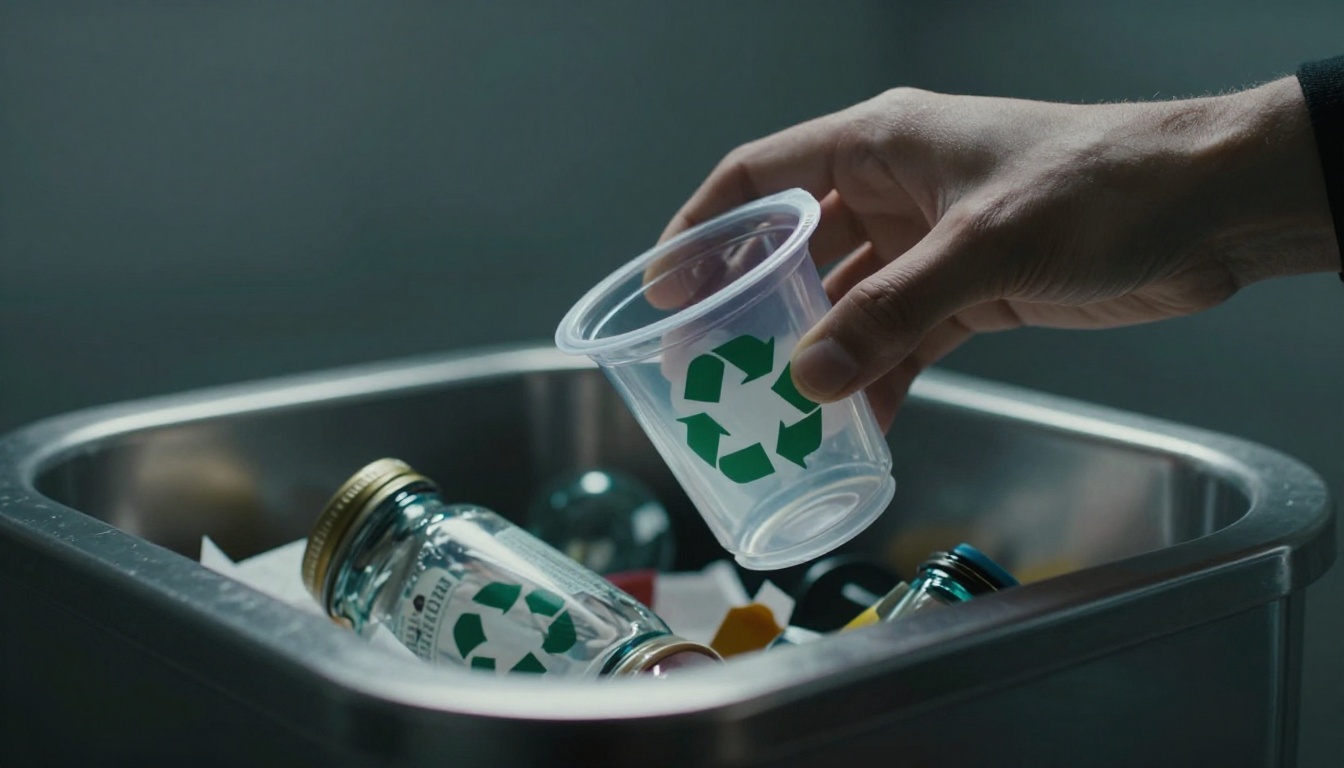
You grab a plastic yogurt cup and toss it in the bin. Later, you learn your local program rejects it. Recycling confuses everyone because rules differ by city and county. The US has no federal household guidelines. Local haulers set the standards.
Cities handle curbside pickup. This means a bottle works in Seattle but not in Miami. Contamination from wrong items costs billions each year. In 2026, states push changes. California aims for a 65% recycling rate by 2032. Colorado standardizes rules starting June with producer-funded systems.
This post shows you simple checks. Spot symbols first. Confirm local rules next. Learn material basics. You will recycle right and avoid wishcycling. That term means hoping an item works when it does not. Ready to sort smarter?
Decode Common Recycling Symbols and Labels
Symbols help but do not guarantee acceptance. The chasing arrows triangle appears on many items. It marks the material type, not if your area recycles it. FTC rules ban misleading claims. Producers added the symbol in the 1970s to promote recycling. Now, it often tricks people.
Always clean items first. Rinse bottles empty. Remove lids if needed. Then check local lists. Symbols guide you, but programs decide.

Labels like “widely recyclable” must meet strict standards. Compostable items go in green bins, not blue recycling. Biodegradable does not mean curbside either.
The Chasing Arrows Triangle Myth
People see the three arrows and assume yes. Facilities reject contaminated loads anyway. In October 2026, California bans the symbol on non-recyclable packaging. Other states follow suit. The FTC updated guidelines to stop confusion. Check facts over symbols.
This old icon started good intentions. Today, it leads to errors. Your best bet stays local verification.
Resin Codes: What Numbers 1 Through 7 Mean
Resin codes sit inside the triangle. They identify plastic types. Most curbsides take only 1 and 2. Others tangle machines or lack markets.
- #1 PET: Soda bottles, water jugs. Most programs accept these. Crush after rinsing.
- #2 HDPE: Milk jugs, detergent bottles. Common yes. Remove caps.
- #3 PVC: Pipes, cling wrap. Rarely curbside. Send to specialty centers.
- #4 LDPE: Squeeze bottles, bags. Sometimes okay. Check films separately.
- #5 PP: Yogurt tubs, straws. Growing acceptance. Not universal.
- #6 PS: Foam cups, packing peanuts. Hardly ever curbside. Avoid.
- #7 Other: Mixed plastics. Tough to process. No for most homes.
For details on these recycling symbols #1 to #7, see this breakdown. Numbers help narrow options fast.
Check Your Local Curbside Rules Before Tossing
No national rules exist. Your ZIP code decides. Search “[your city] recycling rules” or use tools like Earth911’s recycling search. Apps show accepted lists instantly.
Colorado starts statewide standards in June 2026. Producers pay fees there. California pushes 65% rates with new funds. Foam bans grow in over 12 states. These shifts mean check often.
Wishcycling clogs sorters. Cities pay extra to remove junk. Follow these steps:
- Visit your hauler’s site or call.
- Enter ZIP for the list.
- Note prep: rinse, flatten, no bags.
One call saves headaches. Programs change with markets. Stay updated.
Recycling Rules for Everyday Materials Like Plastics, Paper, Metals, and Glass
Common items follow patterns. Plastics limit to bottles. Paper stays dry. Metals rinse easy. Glass varies most. Prep matters: empty, clean, loose. No plastic bags ever; they jam machines.
Here’s a quick scan of curbside norms. Local rules override.
| Material | Often Accepted | Usually Not |
|---|---|---|
| Plastics | #1/#2 bottles/jugs (rinsed) | Tubs, films, bags, #3-7, foam |
| Paper | Clean cardboard, office paper, newspaper | Pizza boxes, greasy/soiled paper, coated stock |
| Metals | Aluminum/steel cans (rinsed), foil | Aerosols, scrap with food |
| Glass | Colored jars/bottles (some areas) | Windows, mirrors, light bulbs; banned in many curbsides |
This table shows basics. Glass breaks sorters, so 40% of programs skip it. Advanced chemical recycling grows for tough plastics, but not household yet.
Plastics: Stick to Bottles and Jugs Mostly
#1 PET and #2 HDPE lead. Soda bottles crush flat. Laundry jugs work too. Films from groceries tangle belts. Tubs like margarine rarely fit. Check your list first.
Paper and Cardboard: Keep It Clean and Dry
Flatten boxes. Staples okay. Office paper stacks fine. Soiled pizza grease ruins loads. Coated paper shines but sticks.
Metals and Glass: Rinse and Check Bans
Steel tins ping when empty. Aluminum crushes light. Glass needs separation by color sometimes. Many areas ban it curbside; use drop-offs.
For wishcycling examples, read this column on bin mistakes.
Dodge These Recycling Mistakes and Bust the Myths
Top error: assuming arrows mean yes everywhere. They do not. Another: skipping rinses. Food bits spoil batches.
Wishcycling adds billions in cleanup. Systems need $36-43 billion upgrades. Polystyrene foam seems light but clogs. Not all plastics equal.
Common myths include:
- Plastic bags go in bins. No, they wrap rollers.
- Black plastic recycles easy. Dyes hide from lasers.
- Compostable mixes with recycling. Separate bins only.
Stick to your list. Reduce if unsure. Trends like 30% recycled content mandates help. Producers fund more in 2026.
Pull It All Together and Recycle Smarter
Spot symbols like #1 and #2. Verify local rules online. Follow material guides and prep tips. Skip common pitfalls.
Start small. Master plastics first. Your habits cut waste. Less landfill means cleaner air and lower bills.
Share your city’s quirks in comments. Bookmark this. Check your program today. With 2026 changes rolling out, you lead the way.