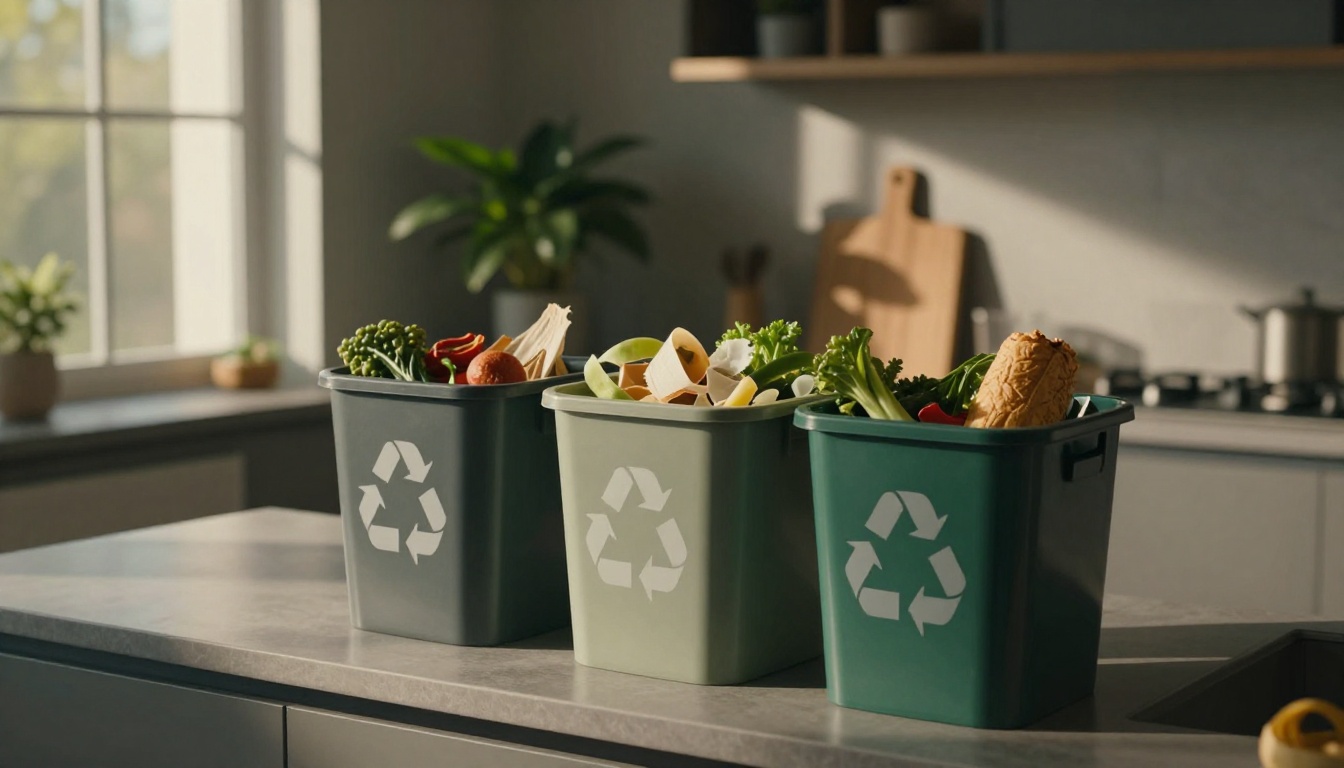
Did you know food waste in landfills causes 58 percent of their methane emissions? That’s a big deal because methane traps heat 25 times faster than carbon dioxide. Households toss in 24 percent of landfill trash as food scraps that rot without air and pump out this gas.
You might feel overwhelmed if you’re new to this. Sorting waste at home seems tricky at first. But it cuts pollution right from your kitchen. Plus, it saves money on trash bills in some spots and teaches kids good habits.
We’ll break it down step by step. First, see why it matters for the planet and your wallet. Then, learn the main categories with clear examples. Next, set up bins that fit your space. After that, build easy daily routines. We’ll cover traps to avoid too. Start with one tip today. You’ll see your trash shrink fast.
Why Sorting Your Waste Changes Everything for the Planet and Your Wallet
Sorting waste keeps organics out of landfills. Food scraps and yard waste rot there and release methane. This gas comes from the third-largest source in the US: landfills at 15 to 17 percent of total emissions. Divert those scraps to compost instead. You stop the problem at the source.
Recycling stays cleaner when you sort right. Facilities reuse more materials. In 2026, trends show better diversion rates thanks to tech like sensors that spot issues early. Communities save on landfill costs. Some areas charge less for lighter trash bins.
Think about your home too. One family cut their trash volume in half after a month of sorting. They felt proud watching the recycle bin fill up. Kids learned responsibility by helping. You get that good feeling from small wins.
Bills drop in places with volume-based fees. Check your local rules. Sorting builds eco-habits that stick. It supports the circular economy where stuff gets reused, not buried.
Ready to cut your share of methane? Start simple. Your actions add up across neighborhoods.
Know Your Categories: What Belongs in Recyclables, Compost, and Trash
Always check your city’s app or site first. Rules vary by area. For example, California requires homes to sort organics into special bins. New York focuses on local compost programs. Colorado and Oregon stick to voluntary efforts mostly.
Focus on three main bins: recyclables, compost, and trash. Rinse items clean. Flatten boxes. This keeps everything workable.
Here’s a quick guide from EPA recycling basics.
| Category | Yes Items | No Items | Tips |
|---|---|---|---|
| Recyclables | Clean paper, cardboard, plastics #1-2, glass jars, aluminum cans | Plastic bags, styrofoam, greasy pizza boxes | Rinse first; flatten cardboard |
| Compost | Veggie peels, coffee grounds, eggshells, leaves, grass clippings | Meat, dairy, oils, pet waste | Chop scraps small; balance greens and browns |
| Trash (Landfill) | Plastic wrap, diapers, hygiene products | Nothing; check hazardous below | Bag tightly to control smells |
Hazardous waste needs drop-offs. Batteries, paints, and e-waste go to special spots like EcoATM kiosks. New 2026 laws in states push for better handling. See details on upcoming waste rules.
Recyclables That Actually Get a Second Life
Stick to clean items here. Newspapers and office paper work well. Cardboard boxes flatten easy. Plastic bottles (#1 PET) and jugs (#2 HDPE) top the list. Glass jars and aluminum cans rinse clean.
Skip greasy boxes or plastic bags. They jam machines. Numbers 3 through 7 plastics often don’t recycle curbside. Check your local list. In 2026, facilities use better sorting tech. Clean inputs help them hit high rates.
Rinse cans to avoid food smells. Remove lids from bottles. This keeps batches pure.
Compost Magic for Food Scraps and Yard Clippings
Fruit and veggie peels go in. Coffee grounds and filters too. Eggshells crush up fine. Yard waste like leaves and small branches balance it.
No meat or dairy. They draw pests. Skip oils and pet waste. Use a countertop bin to collect. Empty it often.
Turn the pile weekly for air. Local drop-offs work if you lack yard space. Follow a beginner composting guide for easy starts.
Landfill Basics and Handling Tricky Hazardous Stuff
Everything else lands here. Plastic wrap, styrofoam, and dirty tissues fit. Bag it tight.
Hazardous items need care. Batteries and old paint go to events or stores. Electronics drop at kiosks. California bans certain plastics outright. Other states follow with fees on excess landfill use.
Set Up a Simple Sorting Station That Fits Any Kitchen
Pick a spot like under the sink or on the counter. You need three or four bins: trash, recycle, compost, maybe glass or metals separate.
Get clear plastic bins for easy viewing. Label them with waterproof stickers. Add pictures for kids. Bamboo countertop compost bins hide smells well.
Shop at dollar stores or online for cheap starts. Skip fancy sensors unless you want alerts. A basic setup costs under $20.
Follow these steps:
- Clear the area. Measure for fit.
- Place largest bin for trash. Put recycle and compost nearby.
- Label bold: “Recycle,” “Compost,” “Trash.”
- Add gloves and scraper tool.
Clean weekly with soap. Wipe bins dry. This stops bugs.
One mom used drawer dividers for small kitchens. It worked great. Your family joins in fast with fun labels.
Daily Routines That Make Sorting Second Nature
Start after meals. Scrape plates: food bits to compost. Rinse cans to recycle. Trash gets the rest.
Check bins each evening. Full ones move to garage. This clears space.
Weekly, sort the garage pile. Pull out missed recyclables. It takes 10 minutes.
Declutter before shopping. Ask if it recycles. Buy less packaging.
Make it a game. Who fills the recycle bin first? Kids love it.
Tie meals to sorting. Sort one day’s waste fully. Build to zero-trash days.
Habits form quick. You’ll sort without thinking soon.
Steer Clear of These Traps That Ruin Beginner Efforts
Don’t mix dirty items. A greasy box contaminates a whole recycle load.
Assume nothing recycles. Not all plastics do. Read your city’s list.
Bag recyclables. It clogs sorters. Toss loose.
Ignore hazardous stuff. It leaks toxins.
Fixes work easy. Rinse everything. Use apps for local rules. Start with one perfect bin.
Most experts messed up first. You recover fast. Keep going.
Compost too wet? Add dry leaves. Smells bad? Turn it.
Pull It All Together and See Real Change
You now know categories, setups, routines, and traps. Sorting waste at home starts small but grows big.
Pick one step this week. Label your bins or sort after dinner. Track your first full recycle haul.
Small home efforts fuel community shifts. In 2026, better sorting cuts methane and boosts reuse. Check EPA’s recycling system overview or your city app.
Your kitchen leads the way. Feel the difference soon. What’s your first sort? Share below.