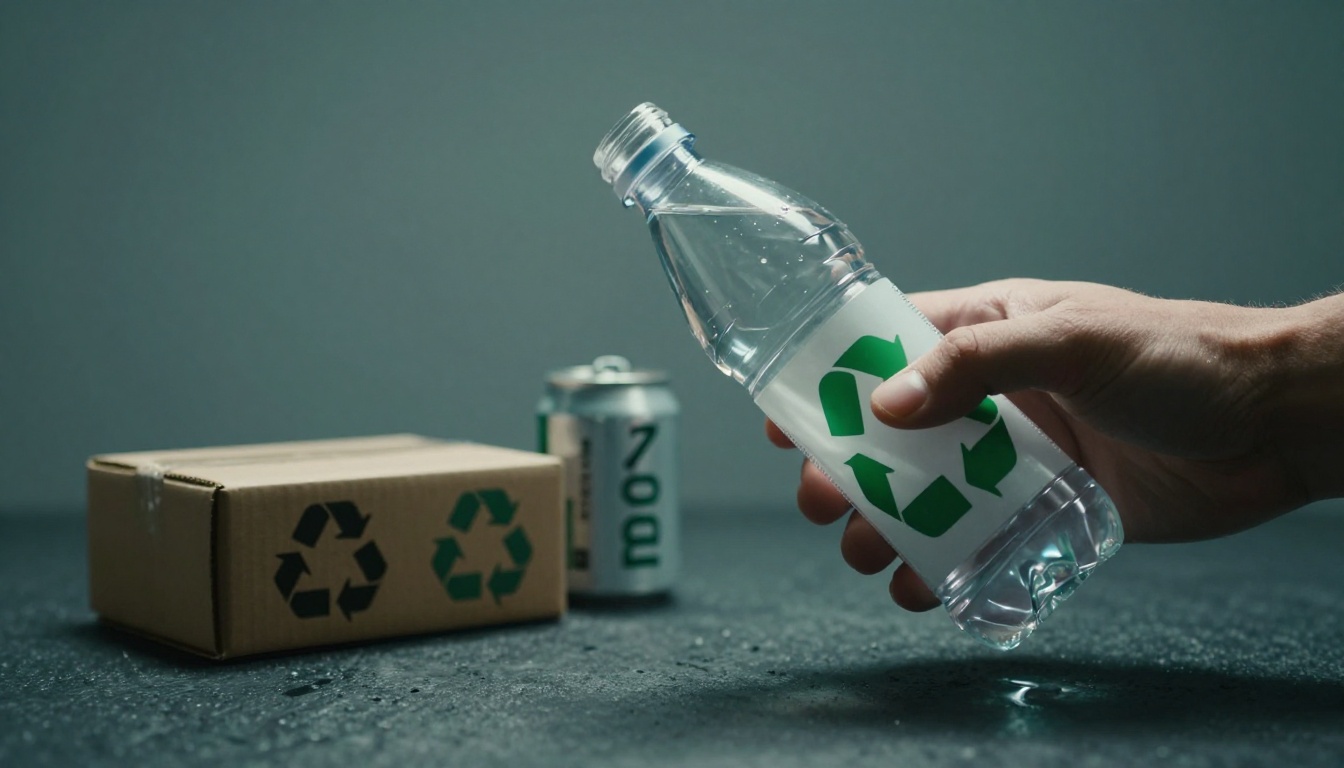
Ever tossed a plastic bottle in the recycling bin, only to learn later it contaminated the load? You are not alone. Many people mix up symbols and end up wishcycling, which clogs systems and raises costs.
These marks on packaging help sort materials right. They identify types, like plastics or paper, but they do not guarantee your local program accepts them. Confusion leads to mistakes because rules vary by city.
This guide breaks it down. You will learn the chasing arrows icon, plastic codes 1 through 7, other marks for paper and metal, plus action steps. By the end, you spot symbols with confidence and recycle smarter. Recent laws, like California’s SB 343, add changes too. Let’s start with the most familiar one.
Spot the Chasing Arrows: The Classic Recycling Icon Explained
Three curved arrows chase each other in a tight triangle. That is the chasing arrows symbol, born in the 1970s as a universal sign for recycling. Designers created it to push material recovery amid growing waste concerns.
Companies stamp it on bottles, boxes, and bags. It suggests the item might go back into the loop. However, it does not mean your hauler takes it. Always check local guidelines first.
Find it molded on bottoms, printed on labels, or etched on lids. Some brands over use it, a trick called greenwashing. They slap it on non-recyclables to look eco-friendly.
Starting October 2026, California changes the game with SB 343. The law bans the symbol unless the material gets collected and sorted by 60% of state programs, then reused. A lawsuit from March 2026 challenges it, but businesses already adjust labels. For details, see CalRecycle’s SB 343 FAQ.
In short, the icon flags potential, not promise. Spot it, then verify.
How the Chasing Arrows Evolved to Fight Misleading Labels
Back in 2013, groups updated it. They dropped arrows from plastic codes to cut confusion. The plain triangle with a number took over.
Today, most recognize it worldwide. Yet rules differ. Europe has deposit systems; the US leans on curbside.
Even with the mark, success depends on your area. Facilities reject mixed loads. So, the evolution aims for truth over hype.
Decode Plastic Numbers 1 Through 7: What Each One Means
Plastic rules recycling. Look for a number from 1 to 7 inside a triangle. These Resin Identification Codes, or RIC, started in 1988 from the Society of the Plastics Industry. Now ASTM handles them.
RIC names the plastic type only. It ignores if your program recycles it. Created for factories, not bins.
Here is a quick reference:
| Code | Plastic Type | Common Products | Widely Recycled? |
|---|---|---|---|
| 1 | PET (Polyethylene Terephthalate) | Soda bottles, jars | Yes |
| 2 | HDPE (High-Density Polyethylene) | Milk jugs, detergent bottles | Yes |
| 3 | PVC (Polyvinyl Chloride) | Pipes, cling wrap | Rarely |
| 4 | LDPE (Low-Density Polyethylene) | Plastic bags, squeeze bottles | Sometimes |
| 5 | PP (Polypropylene) | Yogurt tubs, straws | Often |
| 6 | PS (Polystyrene) | Foam cups, takeout containers | Rarely |
| 7 | Other (Mixed) | Sunglasses, iPhone cases | Rarely |
This table shows basics. For more on packaging uses, check plastic recycling codes guide.
Numbers help sorters too. But locals decide acceptance.
Which Plastics Are Easiest to Recycle in Most Places
PET (#1) and HDPE (#2) lead the pack. They turn into new bottles and jugs. Programs take them curbside nationwide.
PP (#5) gains ground fast. Yogurt tubs and caps fit many bins now.
Others lag. PVC (#3), PS (#6), and #7 often land in landfills. They cost too much to process.
Rates stay low overall, around 5 to 9%. Still, stick to #1, #2, and #5. Check your rules to skip wishcycling.
Spotting the Triangle: Where and How to Find RIC Codes
Bold lines form the triangle. A big number sits inside, no arrows these days.
Hunt on bottle bases, tub bottoms, or cap rims. Flip items over; rinse first to see clearly.
Labels sometimes hide them. Peel or scrub gently. Once found, note the number before tossing.
Beyond Plastics: Quick Guide to Other Common Recycling Marks
Plastics grab attention, but others matter. The Mobius loop mirrors chasing arrows for general items. It means recyclable paper or board.
Paper gets three arrows over a tree icon. Think cardboard or egg cartons.
Metal cans show steel or aluminum marks. Steel sticks to magnets; aluminum does not.
Glass bottles often have an infinite loop. Clear, green, or brown all work in most spots.
No single set rules non-plastics. Europe uses a green dot for fees. In the US, trust hauler lists.
Compost marks like BPI differ. They go to green bins, not blue. For a full breakdown, see guide to recycling symbols.
Symbols shift by country. Your city sets the real test.

This shot captures common marks up close.
Turn Symbol Knowledge into Action: Recycling Tips That Work
Knowledge alone does not cut waste. Act smart.
First, search your local recycler site or app. Enter the symbol and item.
Skip wishcycling. It ruins batches.
Prep right: rinse clean, flatten boxes, ditch plastic bags. Bags jam machines.
Tools help. Try RecycleNation or Earth911 for ZIP code checks.
Watch for greenwashing. Verified labels beat vague claims.
Make a cheat sheet. List your top codes and rules. Pin it by the bin.
Small steps add up. You lower landfill loads fast.
Master Recycling Symbols and Cut Waste Today
You now know chasing arrows signal potential, with California’s October 2026 rules tightening use amid a lawsuit. RIC codes ID plastics like #1 PET bottles and #2 jugs, the easiest to recycle alongside #5. Other marks cover paper, metal, and glass, but locals rule all.
Spot them confidently. Verify first. These habits slash contamination.
Next shopping trip, pause at those bottles. Check symbols, then recycle right. Share this with friends. What symbol confuses you most?