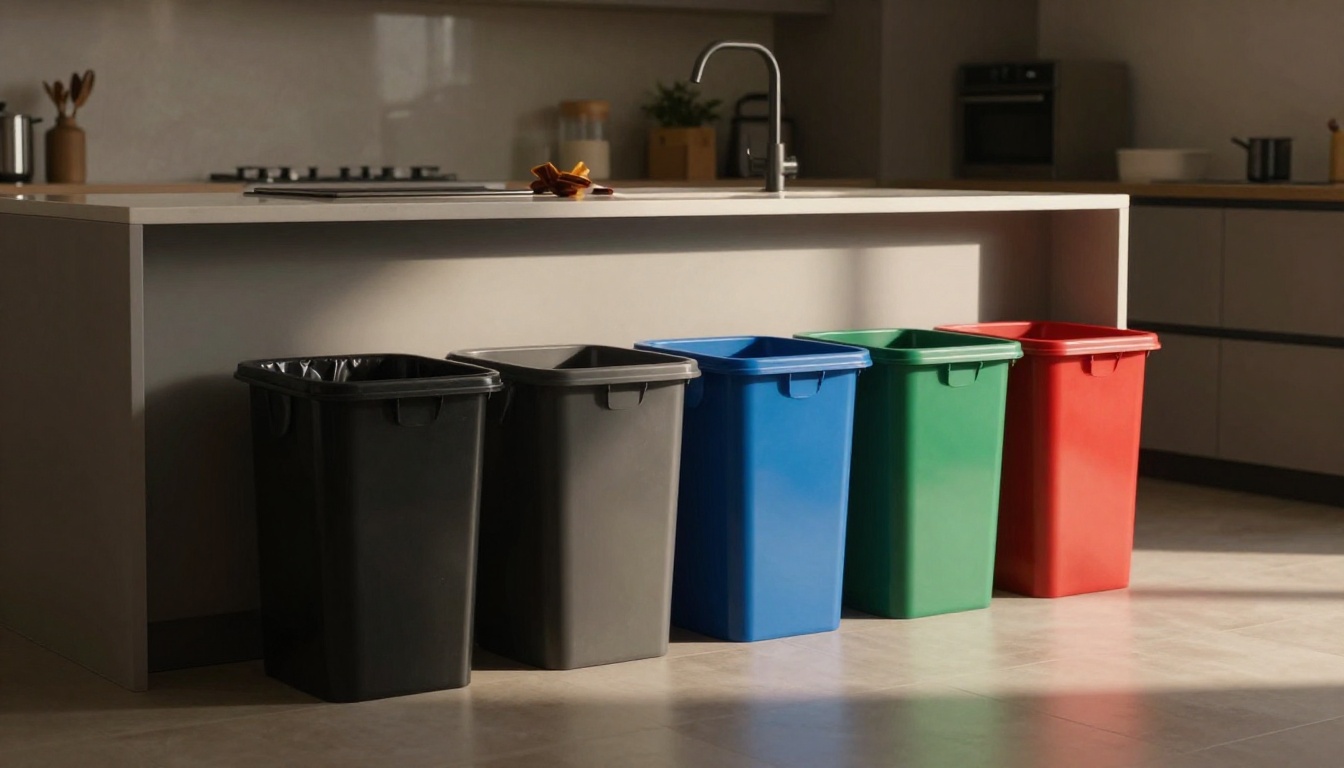
Your family tosses out about 20 pounds of waste each week. That adds up fast. Sorting it right cuts landfill use, saves money on pickup fees, and helps the planet.
Household waste splits into four main types under 2026 guidelines: trash, recyclables, organics, and household hazardous waste. Local rules differ by city or state. These basics work everywhere, though.
You will learn what goes where. Plus, tips to sort better at home.
Trash: Everyday Items Headed for the Landfill
Trash means non-recyclable, non-compostable items. They head straight to the black or gray bin. Landfills handle them safely.
Common examples include pet waste, diapers, food wrappers, broken ceramics, old clothes, loose plastic bags, and foam cups. Think candy wrappers from movie night or a worn garden hose. These contaminate recycling streams or composting piles if mixed in.
One dirty diaper can ruin a batch of recyclables. Facilities sort tons daily. Contamination sends good stuff to landfills instead.

Cut trash volume with simple swaps. Reuse shopping bags as liners. Donate clothes before they pile up. Check your city’s bin guide online. It lists exact no-gos.
For more on common non-recyclables, see Okon Recycling’s list of items not accepted.
Pet Waste and Diapers
Pet poop, cat litter, and baby diapers always go in trash. Bacteria and hygiene rules demand it.
Dogs leave behind 10 million tons yearly in the US. Diapers add another 20 billion. They fill landfills quick because composting risks disease spread.
Bag pet waste tightly. Seal diapers well. This keeps odors down until pickup.
Unrecyclable Plastics and Wrappers
Food wrappers, plastic films, and foam tangle sorting machines. Chip bags, bubble wrap, and styrofoam cups top the list.
Machines snag on films. Workers spend hours untangling. One bag ruins hours of work.
Switch to reusable bags. Buy in bulk to skip wrappers. These steps shrink your trash bin fast.
Recyclables: Cans, Bottles, and Paper You Can Turn Into New Products
Recyclables go in the blue bin. Facilities melt metals, remake paper, and reshape plastics into new goods.
Key types include metals like aluminum and steel cans, paper and cardboard, glass bottles and jars, plus approved plastics marked 1 through 7. Soda cans, newspapers, flattened boxes, and water bottles fit here.
Rinse items clean first. Crumpled paper jams machines. Check local rules on plastics. Not all cities take every number.
Recycling saves energy. One ton of aluminum spares 14,000 kilowatt-hours. Scrap metal markets boom in 2026.

This table shows quick prep tips:
| Material | Examples | Prep Steps | Local Note |
|---|---|---|---|
| Metals | Soda cans, tin cans | Crush flat, remove lids | High value, always rinse |
| Glass | Jars, bottles | Remove caps, rinse | Clear colors best |
| Paper/Cardboard | Newspapers, boxes | Flatten, dry | No greasy pizza boxes |
| Plastics | Bottles #1-7 | Rinse, caps off | Varies by city |
Follow these, and your recycling works.
Metals and Glass Basics
Crush cans to save space. Remove lids from jars. Empty and clean matter most.
A dirty can sticks to others. Glass shards cut workers. Rinse saves lives and resources.
Aluminum fetches top dollar. One can pays for a bike ride.
Paper and Cardboard Must-Knows
Flatten boxes tight. Skip greasy pizza ones. Junk mail and egg cartons work fine.
Wet paper molds. Dry stacks process smooth. Bundle magazines for easy handling.
Organics: Food Scraps and Yard Trimmings That Feed the Soil
Organics fill the green bin. They become compost or biofuel. No more methane from landfills.
Food scraps, yard waste, and food-soiled paper count. Peels, meat bits, coffee grounds, grass clippings, and leaves top lists.
California’s SB 1383 mandates separation. It cut 2 million tons by 2026. Other states follow with bans on food in trash.
Compost feeds gardens rich soil. One bin yearly enriches flower beds.
Learn more at CalRecycle’s organics collection page.

Local rules vary on meat or dairy. Check yours.
Kitchen Scraps You Can Compost
Fruit peels, veggie trimmings, dairy scraps, bread, and eggshells shine here.
Collect in a countertop bin. Line with newspaper to trap smells. Empty weekly.
Coffee grounds add nitrogen. Eggshells crush for calcium.
Yard Waste Essentials
Grass clippings, leaves, small branches go in. Skip plastic bags.
Chop branches short. Mix with scraps for balance. This speeds breakdown.
Mulch leaves in place. Less bin space needed.
Household Hazardous Waste: Special Items Needing Drop-Off Care
Household hazardous waste, or HHW, pollutes if trashed. Paints, cleaners, batteries, oils, e-waste, and flammables need special spots.
Never mix in regular bins. Toxins leach into water. 2026 focuses on e-waste PFAS chemicals.
Examples: old paint cans, phone batteries, fluorescent bulbs, pool chemicals. Counties offer free drop-offs.
Find sites via city apps. Many host events monthly.

Store safely until drop-off. Label cans clear.
Details on Texas HHW rules appear at TCEQ’s household hazardous waste guide.
Batteries, Paints, and Cleaners
They leach heavy metals and solvents. Batteries spark fires in trucks.
Tape terminals on batteries. Seal paint lids tight. Wear gloves handling cleaners.
Most areas accept year-round.
Electronics and E-Waste Rules
Phones, TVs, chargers hold value. Bans keep them out of landfills.
Smash screens? No. Drop off whole. Recyclers extract gold and copper.
Retailers take chargers free.
2026 Waste Trends: Bans and Rules Reshaping Your Bins
Plastic bag bans hit hard. California’s SB 1053 ends all checkout bags January 1, 2026. No thick reusables either.
Mandatory organics sorting covers 80 percent of areas. SB 1383 pushes composting nationwide trends.
E-waste PFAS rules tighten. States ban toxins in packaging.
These changes cut waste 20 percent in test cities. Check your city site, like for exact pickup.
See Plastics Today’s 2026 packaging rules overview.
Adapt now. Habits save fees.
| Waste Type | Bin Color (Typical) | Key Examples | Next Step |
|---|---|---|---|
| Trash | Black/Gray | Diapers, wrappers | Landfill |
| Recyclables | Blue | Cans, bottles | New products |
| Organics | Green | Peels, grass | Compost |
| HHW | Special drop-off | Paints, batteries | Events/sites |
Sorting right shrinks landfills. It boosts soil and saves cash on bills.
Audit your bins this week. Find HHW spots nearby. Share tips with family.
Small changes matter big in 2026. You got this.