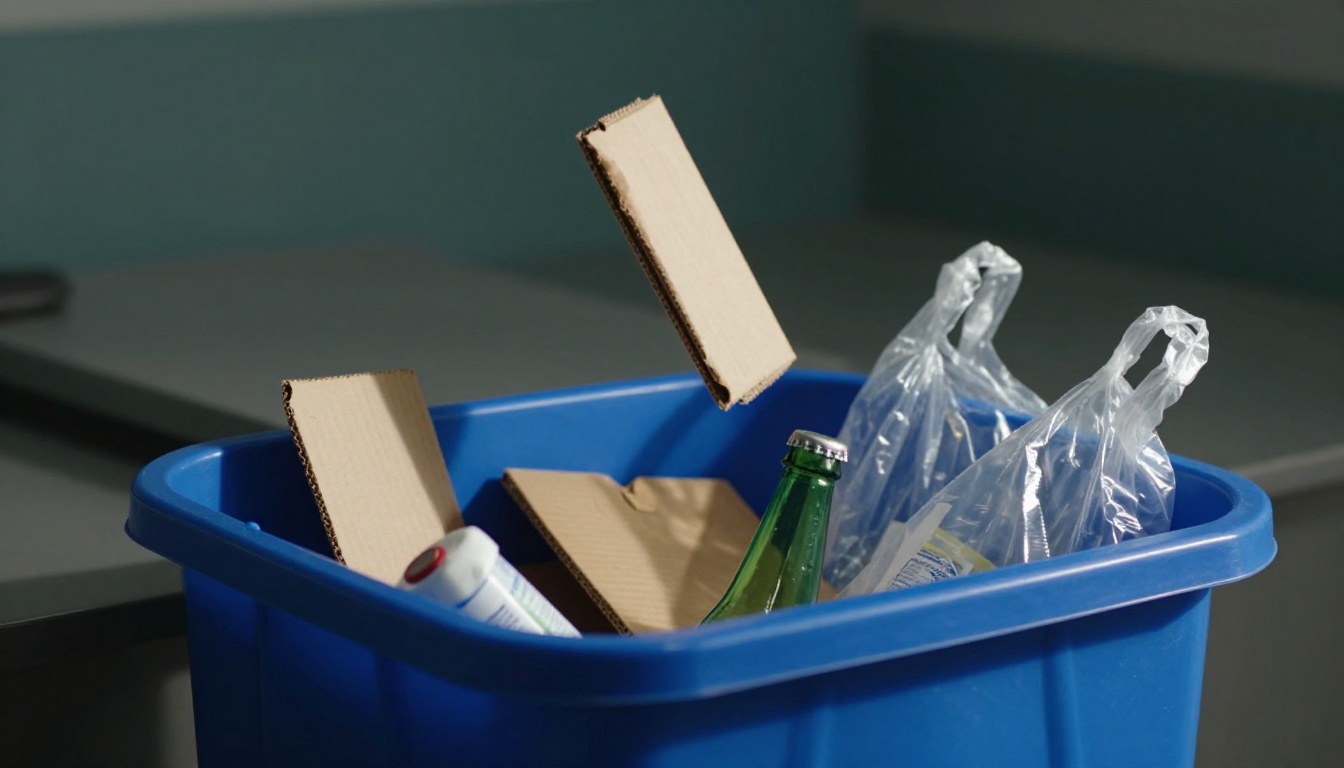
Recycling contamination rates in the US hover around 19-25% in 2026. This sends millions of tons of good materials straight to landfills each year. You sort with good intentions, but small errors waste resources and raise costs for everyone.
People often fall into wishcycling. They toss unsure items into the bin, hoping they belong. These common recycling mistakes jam machines and spoil batches. Regional rules vary, so check your local guidelines.
You can fix this today. Keep reading for the top pitfalls like bagging items, dirty recyclables, and wrong sorting. Simple changes help you recycle right and cut waste.
Wishcycling: Hoping Random Items Belong in the Bin
Wishcycling happens when you drop unsure items into the recycling bin. Think plastic bags, Styrofoam, bubble wrap, or old hoses. You hope they get recycled, but they often ruin the load.
Facilities call this a top problem in 2026. One bad item contaminates a whole bale. Machines jam, and workers halt lines. Contamination hits 25% in some spots, so entire trucks head to landfills.
Experts say, “When in doubt, throw it out.” Always check your city’s rules online first. Apps make this quick. Have you ever wondered if that random plastic counts?
For more on wishcycling woes, see this column from Press Herald.
Real-Life Examples of Wishcycling Fails
People try mirrors, ceramics, and yard waste in bins. These shatter sorters or mix badly. One dirty mask or broken electronics spoils dozens of clean cans.
Batteries leak toxins that ruin paper nearby. Trends show a slight drop from 2025 thanks to better labels. Still, one bad item dooms a bale, as surveys note.
Hoses tangle belts. Old chargers spark hazards. Contamination stays high because folks guess instead of check.
How to Spot and Stop Wishcycling at Home
Search “[your city] recycling guide” right now. Label your bins with clear signs. Compost yard waste or organics instead.
In places like Maine, empty pizza boxes work, but bags never do. Dump items loose. No bagging. This keeps sorters running smooth.
Plastic Bags and Liners: Why They Clog the System
Plastic bags tangle sorting machines at MRFs. They wrap around belts and stop whole lines. Most curbside programs reject bagged recyclables outright.
You rinse bottles but bag them anyway? That causes trouble. Bags add to the 19-25% contamination. Cities ban them more in 2026, per trends.
Dump loose after rinsing. Soft plastics like wrap go elsewhere too. Republic Services notes take bags to grocery stores.
Better Ways to Handle Bags and Soft Plastics
Return bags to store drop-offs. Only #1 and #2 plastics fit curbside. Flatten bottles, but don’t block air flows in sorters.
US rules vary by city. Europe takes more, but here check local. Reuse bags first. This cuts clogs fast.
Dirty Recyclables: One Greasy Box Ruins the Batch
Food bits on jars or grease on pizza boxes spoil batches. One dirty item makes a whole bale trash. Think un-rinsed cans or waxy coffee cups.
US tosses 12% of world trash partly from this. Residue sticks and smells, so facilities reject loads. A quick wipe works fine.
Businesses face solvent issues too. Rinse removes most problems. You don’t need spotless shine.
For tips on avoiding dirty contamination, check Recycle Coach’s guide.
Quick Cleaning Routines That Actually Work
Rinse cans under the tap. Shake off water. Wipe greasy cardboard spots with a rag.
Compost food scraps separate. For pizza boxes, tear clean parts if your rules allow, like in ecomaine areas. Full greasy ones go trash.
Do this in under a minute per item. Clean habits save tons from landfills.
Sorting Slip-Ups: Mixing Plastics and Missing the Mark
Mix paper with plastics, and sorters fail. Most curbside takes #1-2 plastics, metals, paper, and glass separate. #3-7 need drop-offs.
Flatten wrong, and items block machines. Full boxes or electronics don’t belong curbside. Home sorting education ramps up in 2026.
Use labeled bins: one for paper and cardboard, another for #1-2 plastics and metals. Glass often goes solo. This boosts recovery.
Mastering Plastics and Common Mix-Ups
#1 PET and #2 HDPE work curbside. Others like #3 PVC go special sites. Sort by type and size.
No hoses or bubble wrap here. Confused by numbers? Follow the simple rule: check symbols, then local app. Flatten right to stack easy.
Overlooked Pitfalls and Smart Fixes for All
Batteries and electronics need special sites. Yard waste clogs too. Know your rules, rinse all, dump loose, label bins.
Apps cut contamination a bit now. Offices need training same as homes. Recycle right to shrink landfill piles.
In 2026, only 5% of US plastic recycles. Fix these, and you help more.
Regional Rules and Tools to Stay on Track
Northeast curbside differs from West Coast. Maine bans bags strict; California eyes 65% rates by 2032. Europe mixes less waste.
Use apps like Recycle Coach for searches. Download top recycling apps list. Type an item, get local answers.
Small changes add up nationwide.
Right recycling starts with skipping wishcycling and bags. Clean items and sort proper. This drops the 19-25% contamination and saves materials from landfills.
Check your city’s guide today. Share tips with family. Track your bin for one week.
Your habits make a real difference in 2026 and beyond.