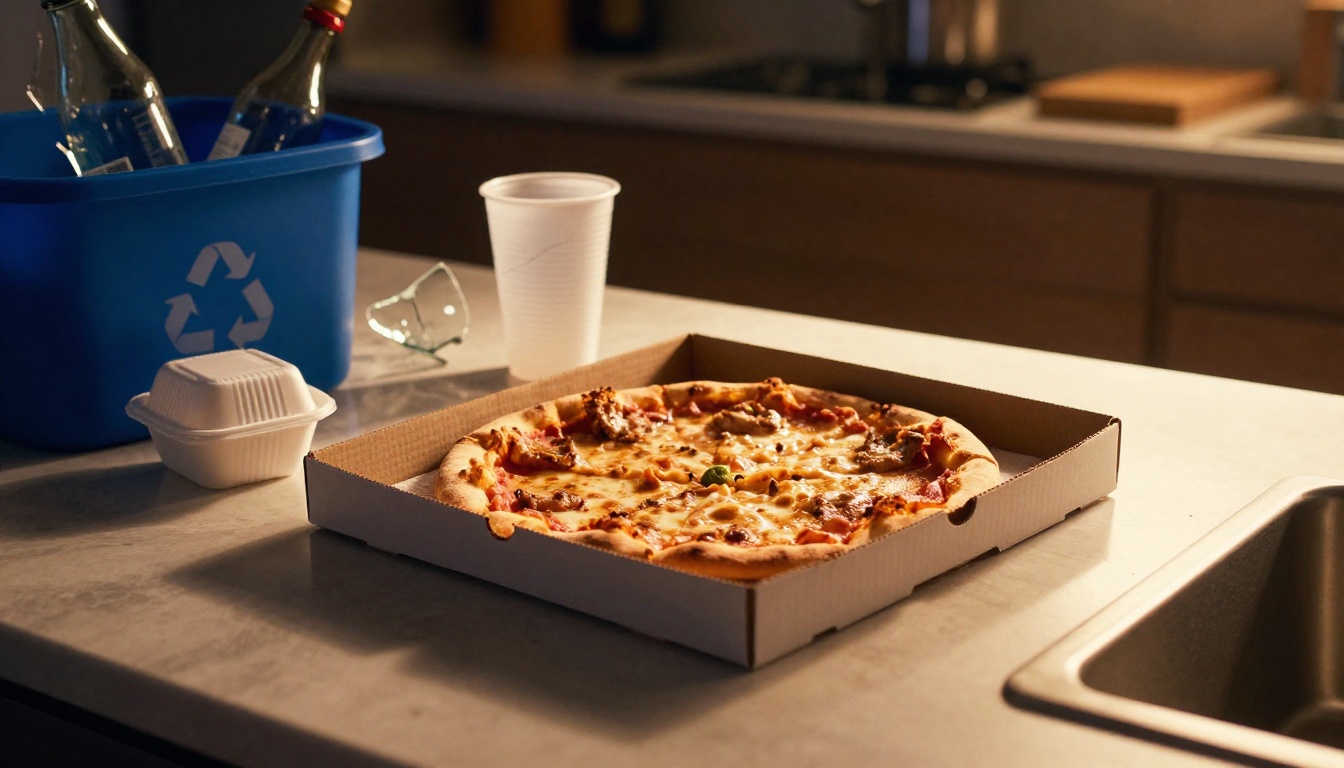
Picture this. You toss a greasy pizza box into the recycling bin, thinking you’re doing good. Next week, your recycling truck skips pickup. The whole load got contaminated and sent to a landfill. It happens more than you think.
Non-recyclable items clog machines and ruin clean batches. They spike costs for cities and fill landfills faster. In the US, households generate tons of such waste daily. The EPA pushes for a 50% national recycling rate by 2030. Better handling of these items helps hit that mark. It also saves your trash bill and cuts pollution.
This guide shows you how. First, spot common culprits. Then, reuse them smartly. Donate or drop off next. Finally, check 2026 trends. You’ll cut waste and feel good about it.
Spot These Common Household Items That Can’t Be Recycled
Many everyday objects look recyclable. They aren’t. Non-recyclable household items cause big problems at plants. They tangle sorters, contaminate loads, or melt wrong.
Local rules vary by city. Check your waste app or site first. For example, plastic bags top the list everywhere.
Wishcycling hurts. People toss hopeful items in bins. Plants reject whole batches as a result. See Iowa DNR’s warning on wishcycling for details.
Tricky Plastics and Bags
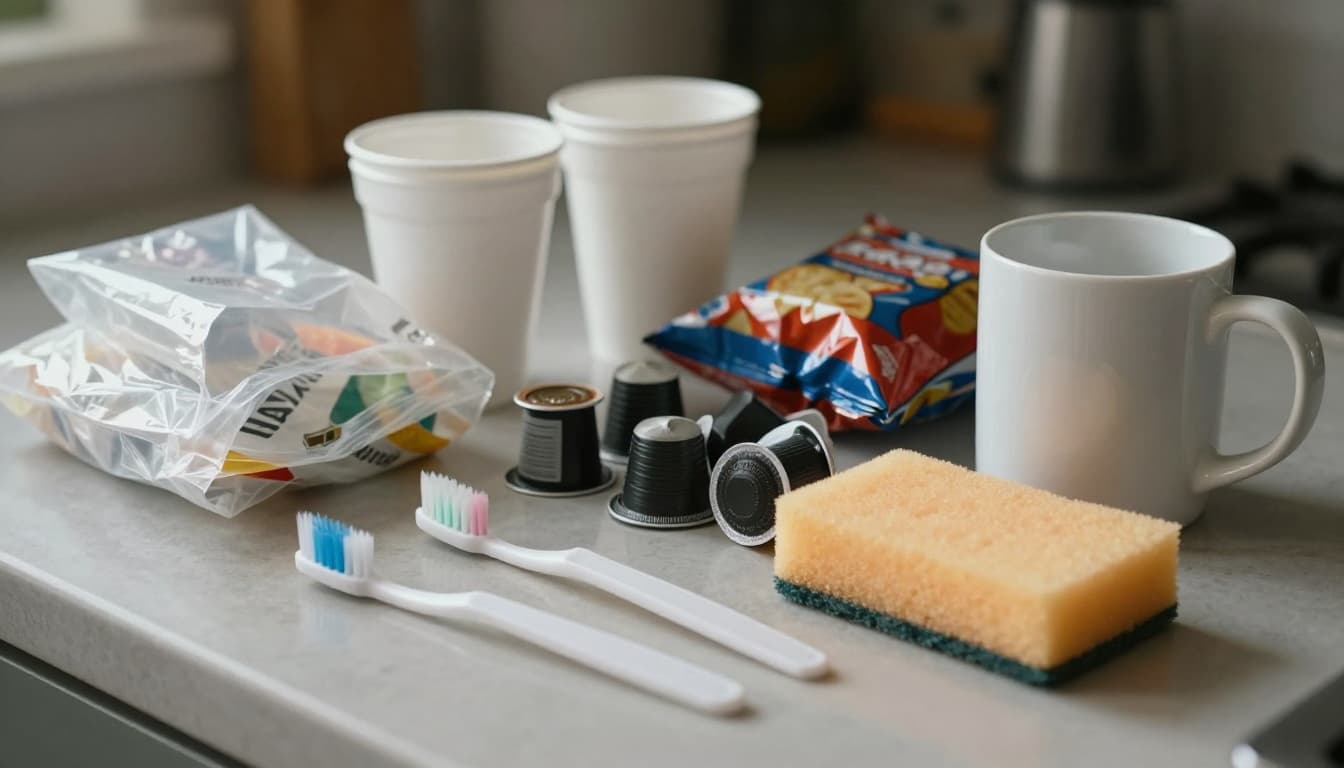
Plastic bags snag on conveyor belts. Machines shut down for hours. Mesh produce bags do the same. Chip bags have layered foil and plastic. Sorters can’t split them.
Plastic wrap clings everywhere. It gums up gears. These items make up 10-15% of contamination. Toss them in trash or find drop-offs. Bulk buying cuts them from the start.
Styrofoam and Food Packaging Nightmares
Styrofoam cups shatter into bits. They never break down and poison batches. Greasy pizza boxes soak oil into cardboard. Clean tops might recycle alone. But grease ruins paper loads.
Coffee pods mix plastic and foil. Most plants reject them curbside. Food residue worsens it. Empty first, then check brand programs. See South Carolina’s dirty dozen list, which flags these.
Kitchen Items That Fool You
Ceramic mugs melt at wrong temps. They damage glass furnaces. Plastic toothbrushes shed microplastics. Sponges hold bacteria and don’t process.
These fool you because they seem solid. But facilities sort by type. Wrong bin means landfill. Always rinse and check labels. Your city app gives exact rules.
Reuse and Repurpose to Keep Them Out of Trash
Reuse beats trash every time. It saves money and resources. Start with a reuse-first mindset. Turn waste into useful stuff around home.
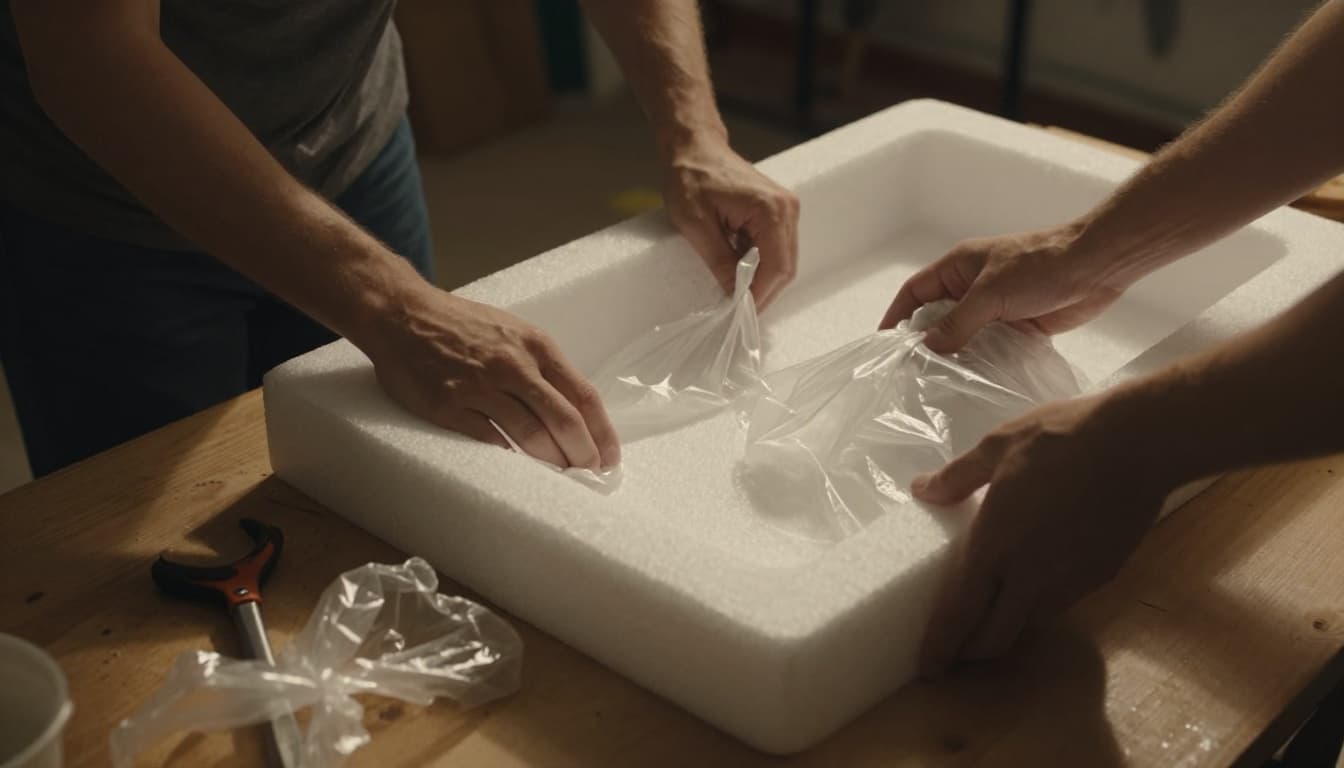
Plastic bags work as poop bags or small liners. Styrofoam packs fragile items for shipping. You’ll skip buying fillers. These hacks build habits fast.
Coffee pods? Empty grounds for garden fertilizer. Then mail back via brand kits. Chip bags store seeds or cables flat. Everyone wins.
Quick Hacks for Bags and Packaging
Take clean grocery bags to store drop-offs. Walmart and Target recycle them into composites. Switch to reusables for produce. Buy bulk to avoid bags altogether.
Use beeswax wraps over plastic wrap. They mold to bowls and last years. Soak chip bags in water, dry, and line drawers. Simple steps cut trash volume.
Creative Fixes for Kitchen Clutter
Turn mugs into planters for succulents. Drill drainage if needed. Sponges and toothbrushes go to animal shelters for scratching posts.
Pizza box tops become kid notes or fridge lists. Wipe clean first. These ideas spark fun. Plus, they teach kids waste smarts early.
Donate, Drop Off, or Trash the Right Way
Reuse fails sometimes. Then donate or drop off. Trash last, only if clean and dry. Hazards need special care.
Thrift stores take good mugs and ceramics. Shelters love toothbrushes. Grocery bins handle bags. Styrofoam drop-offs exist in most counties.
| Item Type | Best Option | Notes |
|---|---|---|
| Plastic bags | Store drop-off | Clean and dry only |
| Coffee pods | Brand mail-back | Empty grounds first |
| Ceramics | Thrift stores | Intact condition |
| Styrofoam | Specialty centers | Check Earth911.com |
| Batteries | HHW events | Tape terminals |
This table shows quick paths. Local rules guide you. Trash curbside only for safe stuff.
Top Donation and Drop-Off Spots
Goodwill grabs mugs and boxes. Grocery chains bin bags free. Nespresso runs pod programs. Find spots via apps. It keeps items in use longer.
Safe Handling for Hazardous Stuff
Batteries spark fires in trucks. Take lithium types to events. Paint and cleaners pollute water. Aerosols explode if full. Empty ones trash okay.
Never curbside hazards. Use free HHW days. Search “HHW near me.” Rules eased for homes in 2026, but safety first. See EPA reducing waste tips.
2026 Trends to Make Waste a Thing of the Past
US homes go reusable big time. Silicone lids replace foils. Bamboo brushes swap plastic ones. Wool balls dry laundry sans sheets.
Bulk shops cut packaging. Compost bins hit mainstream. 30% more plastic-free homes since 2024. Thrift kitchenware booms too.

Pick three swaps now. Fizzy makers beat cans. Rags over towels. These tie to EPA’s 50% recycling push. Save cash while helping.
Spot non-recyclables fast. Reuse creatively. Donate smart. Handle hazards right. Adopt trends like reusables.
Grab three items this week. Check your city rules. Share your wins below. Small steps stack up. Your wallet and planet thank you.