
Your average U.S. household creates 15.5 to 30 pounds of hazardous waste each year. Most folks toss it without a second thought. These are leftover products that catch fire, explode, react, or prove toxic or corrosive, per EPA guidelines.
Why care? Wrong disposal pollutes water, sparks fires, harms health, and draws fines. You risk poisoning kids, pets, or neighbors. This post covers household hazardous waste examples like cleaners, paints, batteries, and pesticides. Plus, it explains risks and safe disposal steps.
Let’s spot these hidden dangers first.
Common Household Items That Qualify as Hazardous Waste
You might overlook items in your garage or cabinets. They seem harmless until they leak or mix wrong. EPA sorts them by traits like flammability or toxicity. Check spots like under sinks, sheds, and workbenches. Here’s what qualifies.
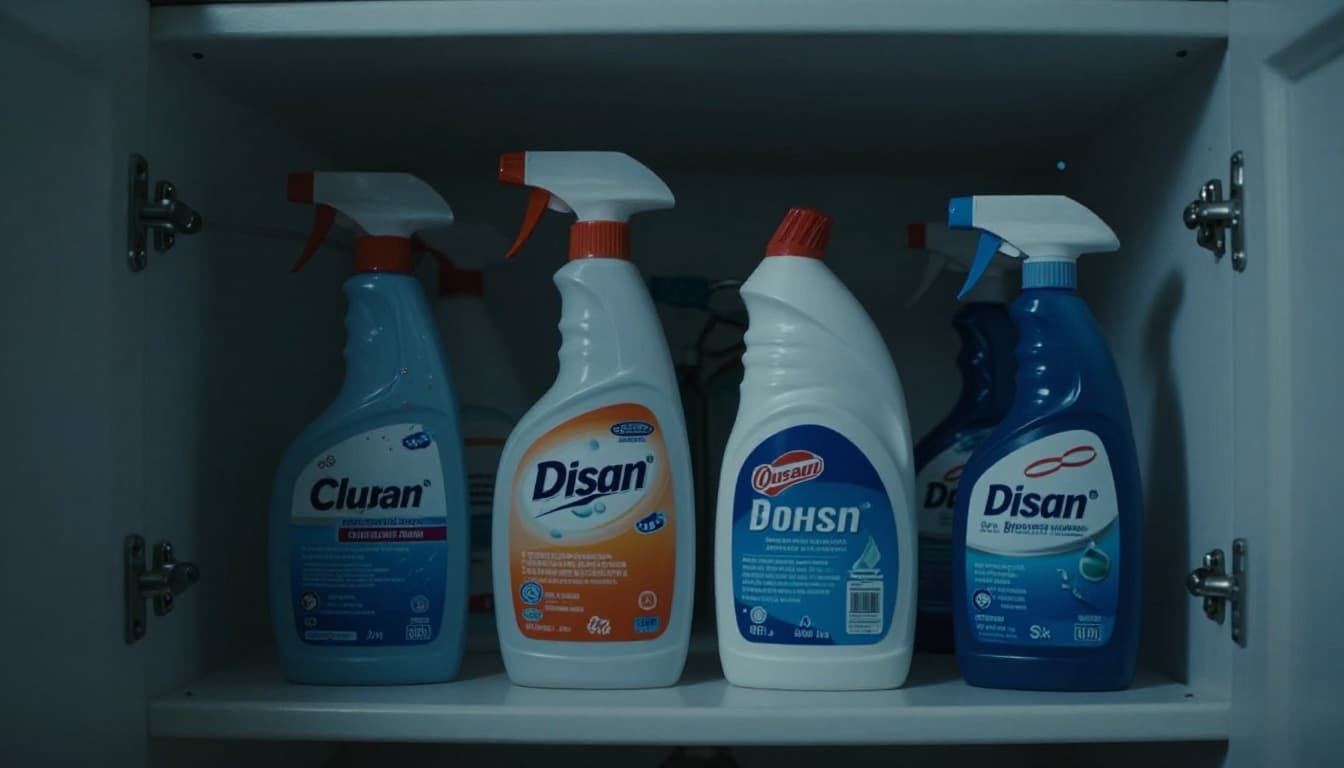
Household Cleaners and Harsh Chemicals
Spot removers sit in laundry rooms. Drain cleaners hide under sinks. Oven cleaners pack strong bases. Ammonia bottles lurk in bathrooms. Bleach jug joins the crowd.
These burn skin or release toxic fumes. For example, acids eat metal fast. Bases like lye corrode too. Mix bleach with ammonia, and gas forms. Always store them sealed and apart.
Bathroom cabinets often hold them. A quick peek reveals the risks. Safer swaps like vinegar work for many jobs.
Paints, Stains, and Related Finishes
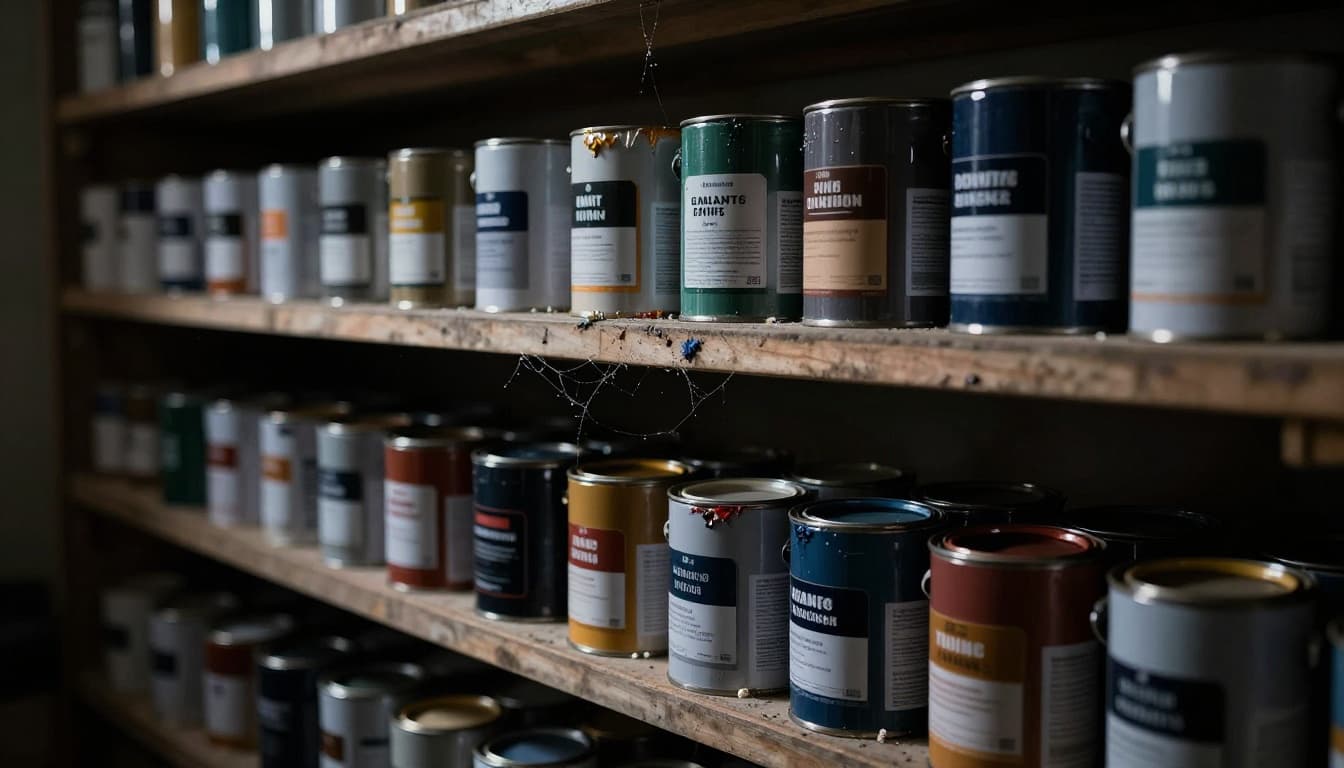
Oil-based paints gather dust in garages. Latex paints dry up in basements. Aerosol spray cans clutter shelves. Varnishes and stains add to the pile. Paint thinners complete the set.
Solvents make them flammable. Heavy metals lurk in older types. One spark ignites vapors. Check cans for age; old ones worsen.
Basements store most. Shake a can; if it sloshes little, it’s solid waste. Liquids demand special care.
Automotive Fluids and Batteries
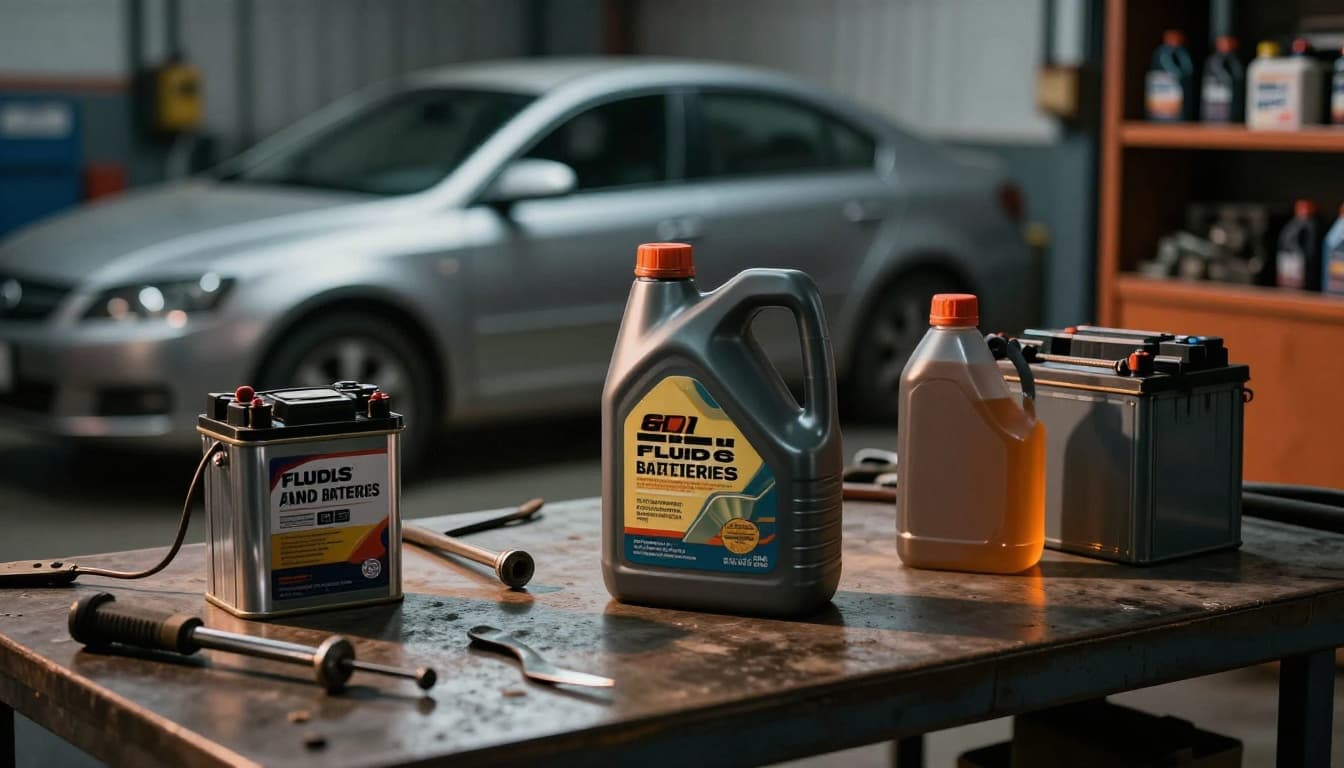
Motor oil changes leave jugs behind. Antifreeze glows green in garages. Brake fluid seeps from bottles. Transmission fluid joins in. Engine degreasers clean greasy parts.
Car batteries leak acid. They explode if shorted. Oil poisons fish in streams. Antifreeze tempts pets with sweet taste.
Garages hold the bulk. Used oil tops the list; homes make gallons yearly. Drain filters before tossing.
Pesticides, Lawn Products, and Batteries
Insect sprays kill bugs fast. Weed killers target yards. Insecticides guard gardens. Lawn fertilizers pack chemicals. Rechargeable batteries power tools.
Fluorescent bulbs contain mercury. Old thermostats hide it too. These poison nerves or soil. Bulbs break and spread vapor.
Kitchen drawers and sheds store them. One spill contaminates ground. Batteries corrode and leak.
Flammable Fuels and Surprise Items
Gasoline cans fuel mowers. Kerosene lights lamps. Propane cylinders power grills. Lighter fluid starts fires. Diesel waits for generators.
Fire extinguishers expire. Hand sanitizer gels up. Cooking oil greases pans. Even grease counts if poured wrong.
Trash fires start easy. Sanitizer vapors spark sewers. Kitchen staples turn hazardous in drains.
Why These Wastes Pose Serious Health and Eco Risks
Trash bins ban liquids in many spots, per EPA rules. Yet people dump anyway. Fumes sicken lungs. Burns scar skin on contact.
Think of oil in trash like poison in a river. It spreads to groundwater. Lakes fill with toxins. Fish die; birds eat them.
Landfills catch fire from batteries or paints. Fines hit $500 or more. Neighborhoods suffer smoke or spills. Hand sanitizer risks sewer blazes, though rare.
Your family breathes easier with proper handling. Communities stay clean. Everyone wins when you act.
How to Safely Dispose of Household Hazardous Waste
Don’t pour down drains or trash. It pollutes fast. Instead, find local events. Many run free, like Cumberland County’s on April 11 or Lake County’s schedule.
Follow these steps:
- Audit your home. Seal originals tight. Label unknowns.
- Sort types. Keep acids from bases. Flammables go metal cabinet.
- Check schedules. Search county sites or EPA tools. Book ahead if needed.
- Prep drop-off. Leave lids on. No mixing. Transport upright in trays.
- Swap smart. Use baking soda over bleach. Water-based paints beat oil.
Events accept oils, paints, cleaners. Proof of residency often required. Prep 12 hours for filters.
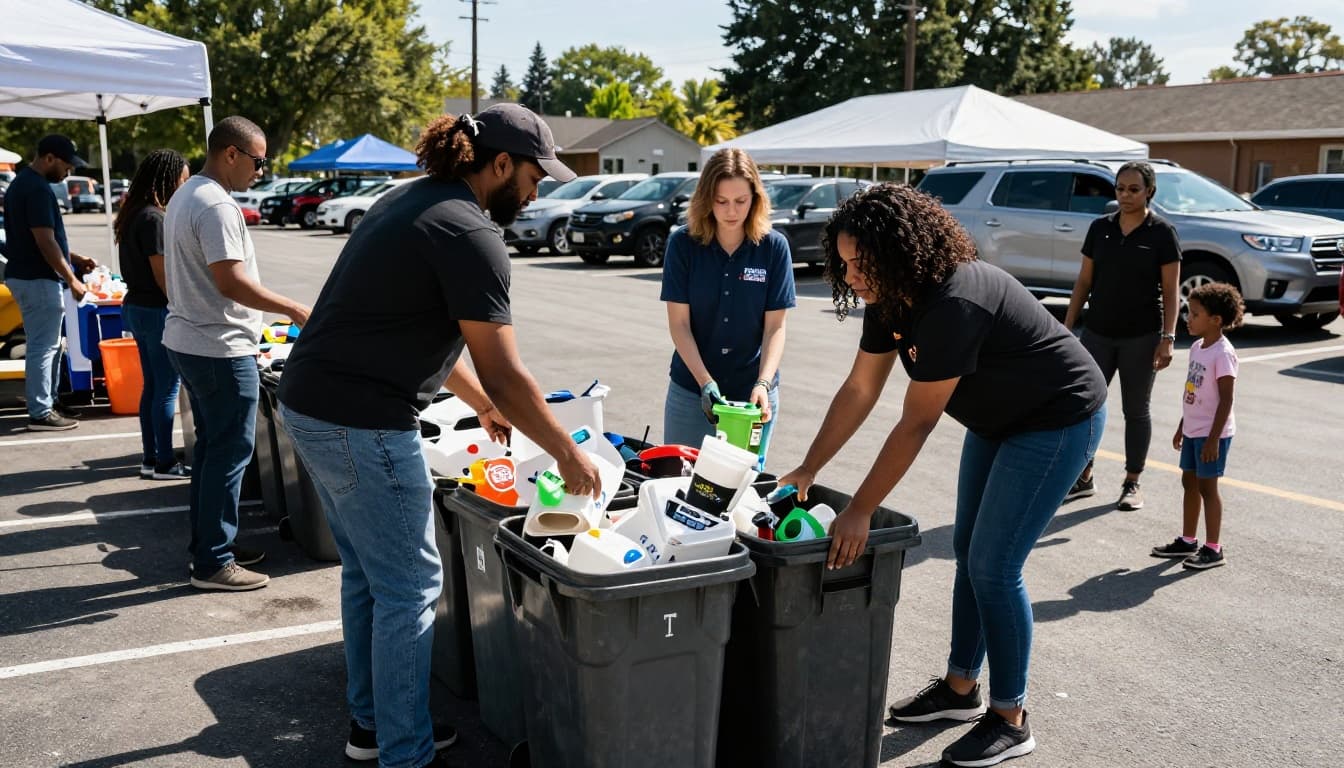
Many areas offer year-round spots. It stays simple and free.
Your home likely holds 15.5 to 30 pounds of these items. Cleaners, paints, and oils top the risks.
Spot them now. Book a local event via your county site. Swap one cleaner this week.
Share this with neighbors. Small changes protect health and water. You got this.