
You toss a greasy pizza box into the bin. It seems harmless. But up to 25% of recycling loads get rejected because of contamination from dirty items like that. Processors face extra costs, around $100 per ton in 2026, to sort the mess.
Cleaning recyclables means a quick rinse to remove food bits, liquids, or grease. You empty them fully, make them mostly dry, and ready for sorting. This simple step stops huge problems down the line.
It keeps waste out of landfills, cuts pollution, and saves money for everyone. Cities run better programs because clean materials process easier. Plus, it protects oceans and wildlife from plastic buildup.
You’ll see how dirty items ruin batches, harm the environment, boost costs, and why home tips make it effortless. Small habits like yours add up fast.
What Goes Wrong with Dirty Recyclables
Dirty recyclables cause big headaches at sorting plants. Food residue sticks to clean paper or plastic. One sticky bottle can spoil an entire batch. Processors reject truckloads, sending them straight to landfills.
In the US, 76% of recyclables end up in trash at homes due to poor sorting and residue. Plastics recycling sits at just 5%. Contamination raises costs and lowers quality.
Plants deal with clogs from wet cardboard or greasy boxes. Workers face mold, pests, and hazards. Machines break down more often. Everyone pays the price.
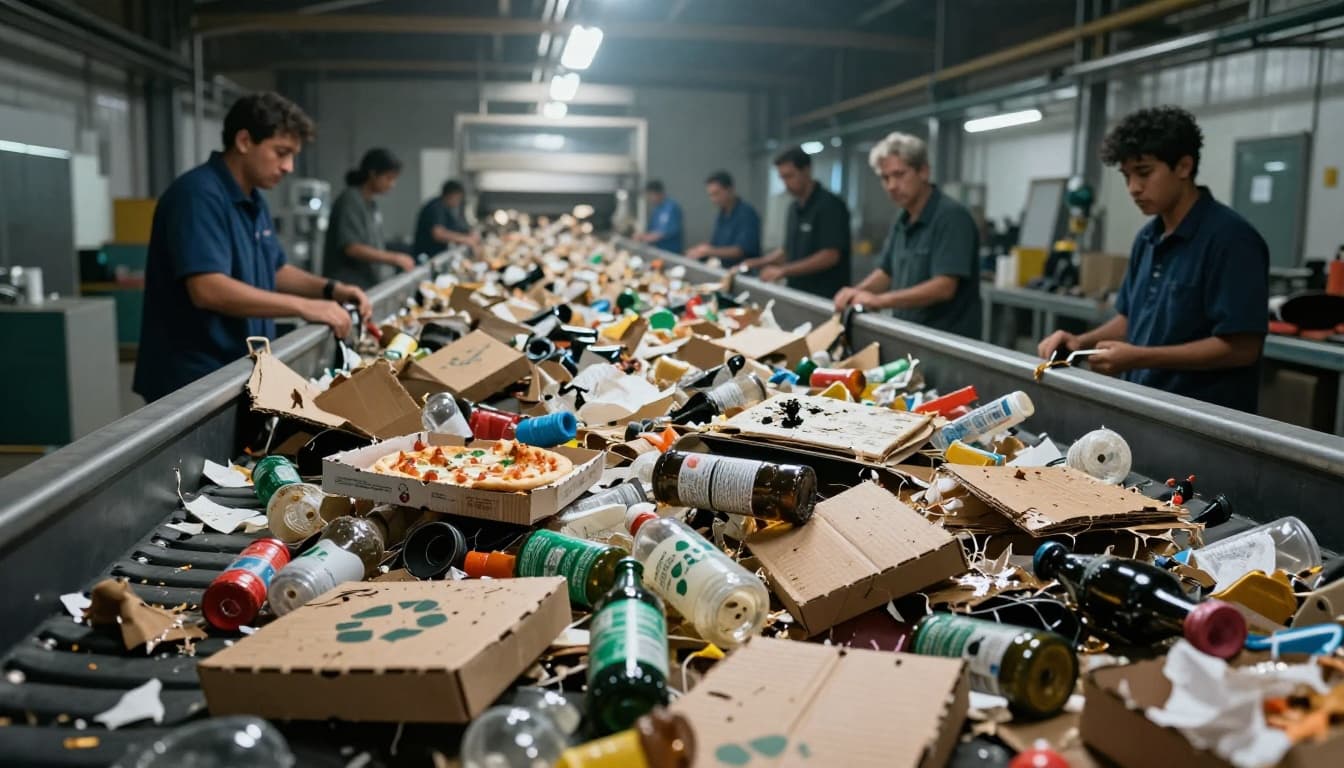
Contamination: The Silent Killer of Recycling
Residue spreads fast during sorting. A bit of soda from one bottle soaks cardboard nearby. The whole load becomes unusable. Cities like Chicago see this often, wasting space and effort.
One dirty item ruins dozens. Food waste mixes in, turning clean streams filthy. Plants landfill the batch to avoid bigger issues. For example, greasy pizza boxes stick to paper pulp, blocking filters.
This silent problem kills recycling rates. Education helps, but clean habits prevent it best.
Check Chicago’s tips on how clean recyclables need to be for local insights.
Risks to Machines, Workers, and Processes
Wet items jam conveyors. Mold grows on damp paper, attracting pests. Workers handle hazards daily. Factories add costs for cleaning and repairs.
Clean input lets machines run smooth. No extra downtime means lower bills. In 2026, processors focus on efficiency amid weak markets. Dirty loads force shutdowns, hurting output.
Safety improves too. Fewer slips from liquids, less exposure to bacteria. Everyone benefits from your quick rinse.
Environmental Wins from Cleaning Your Recyclables
Clean recyclables divert waste from landfills. US dumps release 3.7 million tons of methane yearly, like emissions from 66 million cars. That’s the third largest source.
Recycling cuts energy use by up to 95% for aluminum. It saves trees, water, and minerals. Air stays cleaner without factory pollution from raw materials.
By 2026, states push advanced recycling. Clean habits boost these efforts, building circular systems.
Less Trash in Landfills and Cleaner Air
Diverting waste prevents methane spikes. Food scraps rot and release gases 80 times worse than CO2 short-term. Clean recycling keeps 75% of organics out, cutting emissions 80-90%.
Think of it as removing cars from roads. One ton recycled avoids hundreds of kilos in CO2. Landfills shrink, air clears up.
Programs in places like Washington, D.C., dropped contamination from 33% to 11% with better prep.
Protecting Oceans and Wildlife
Poor recycling feeds ocean plastic. Over 100,000 marine mammals die yearly from it. Microplastics hit fish we eat, entering food chains.
Without action, ocean plastic could double by 2060. Clean materials get reused into products, cutting new plastic needs. Rivers carry less trash to seas.
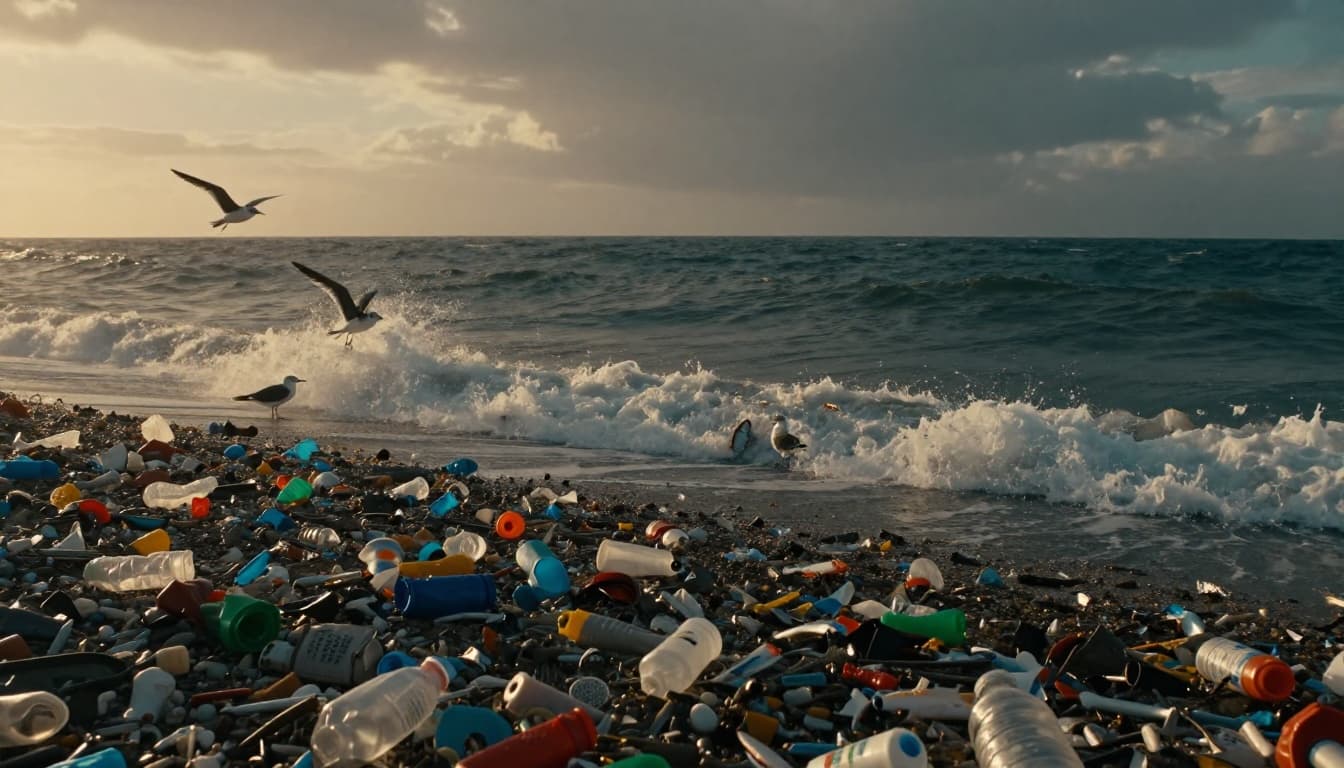
Your rinse keeps wildlife safer, oceans cleaner.
Money and Community Benefits You Help Create
Clean recyclables fetch higher prices. Factories buy quality materials for new bottles and cans. US meets 40% of needs this way.
Investments hit $8.7 billion for new plants in 2026. Jobs grow in cities. Programs save on landfill fees.
EPR laws in states like California push this. Tax credits make infrastructure cheaper.
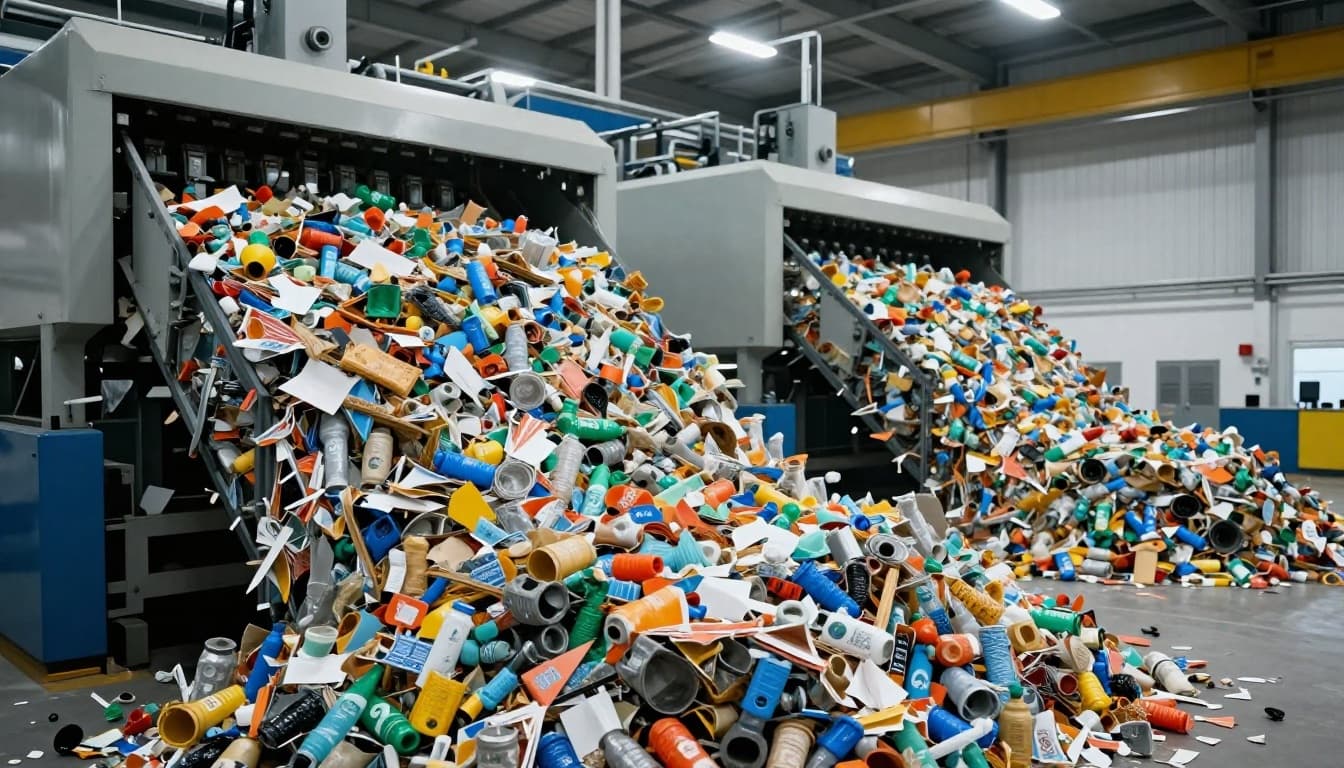
High-Quality Materials for Factories
Manufacturers prefer clean inputs. They turn them into products fast, skipping virgin materials. This cuts costs and supply risks.
Recycling strengthens chains for metals and plastics. Businesses save big.
See the EPA’s Recycling Economic Information Report for details.
Savings for Cities and Taxpayers
Lower processing costs mean efficient plants. Cities spend less on waste. Competitive recycling rivals new plastics in 2026.
Taxpayers see cheaper services. Local jobs add up too.
Easy Ways to Clean Recyclables at Home
Start simple. Empty items fully first. A quick rinse under water removes residue. No soap needed.
Dry them with a towel or air dry. Flatten boxes to save space. Skip greasy paper towels.
For bottles, shake out liquids. Cans get a fast rinse inside. Cartons empty and rinse too.
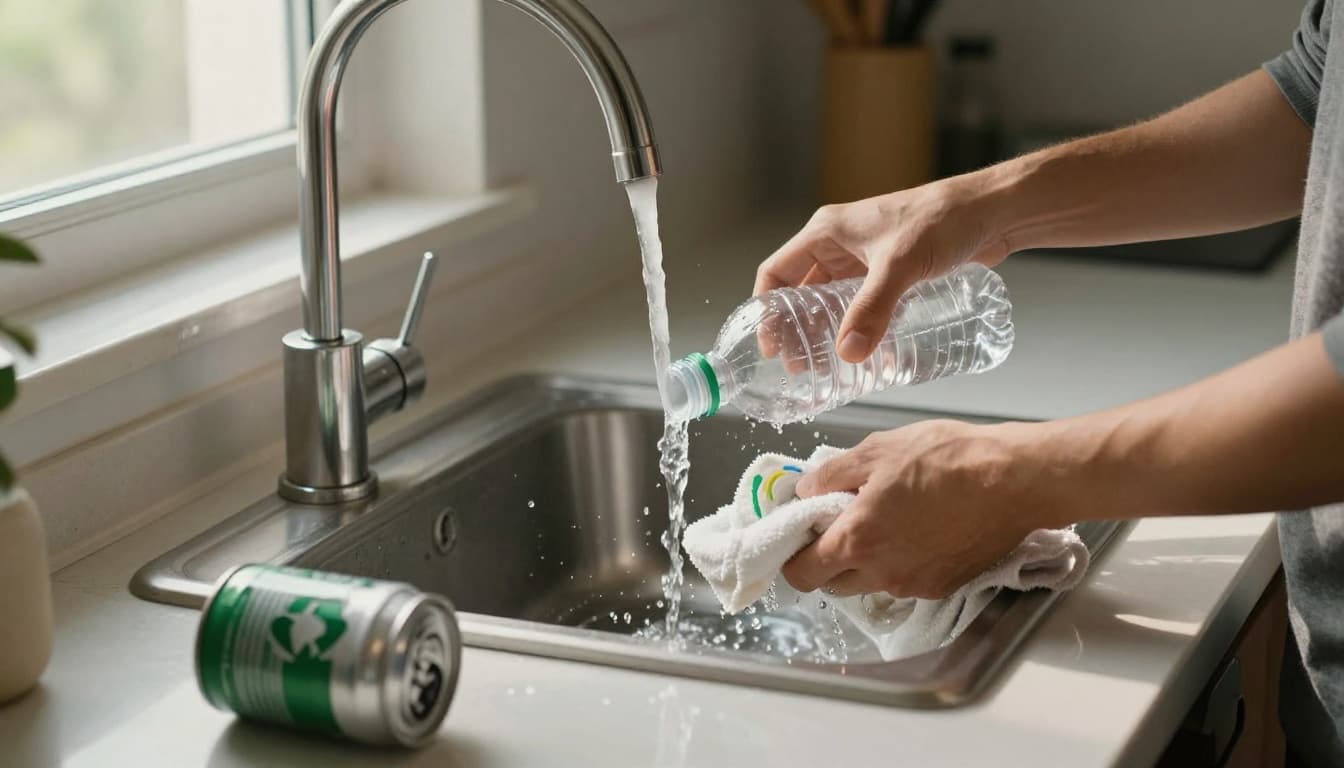
It takes seconds per item. Your effort pays off big.
Clean habits stop contamination and boost recycling. They cut landfill waste, lower emissions, save oceans, and trim city costs.
Commit today. Rinse that next bottle. Share these tips with neighbors.
What changes will you make? Drop a comment below or sign up for more green tips. Together, we build a cleaner world.