
Lithium-ion batteries spark fires in trash trucks every year. Recent reports show over 240 such blazes at waste sites from 2013 to 2020. Chemicals from cleaners leak into water and soil, poisoning communities.
You toss old AA batteries or paint cans without thinking. Yet these items count as hazardous waste under EPA rules. They harm sanitation workers, wildlife, and groundwater.
This post covers battery types, chemical handling, local spots, and a simple plan. Follow these steps. You keep your family safe and stay legal.
The Real Risks of Tossing Batteries and Chemicals in the Wrong Place
Batteries leak toxins when crushed. They explode or ignite in garbage compactors. Sanitation workers face burns and smoke daily.
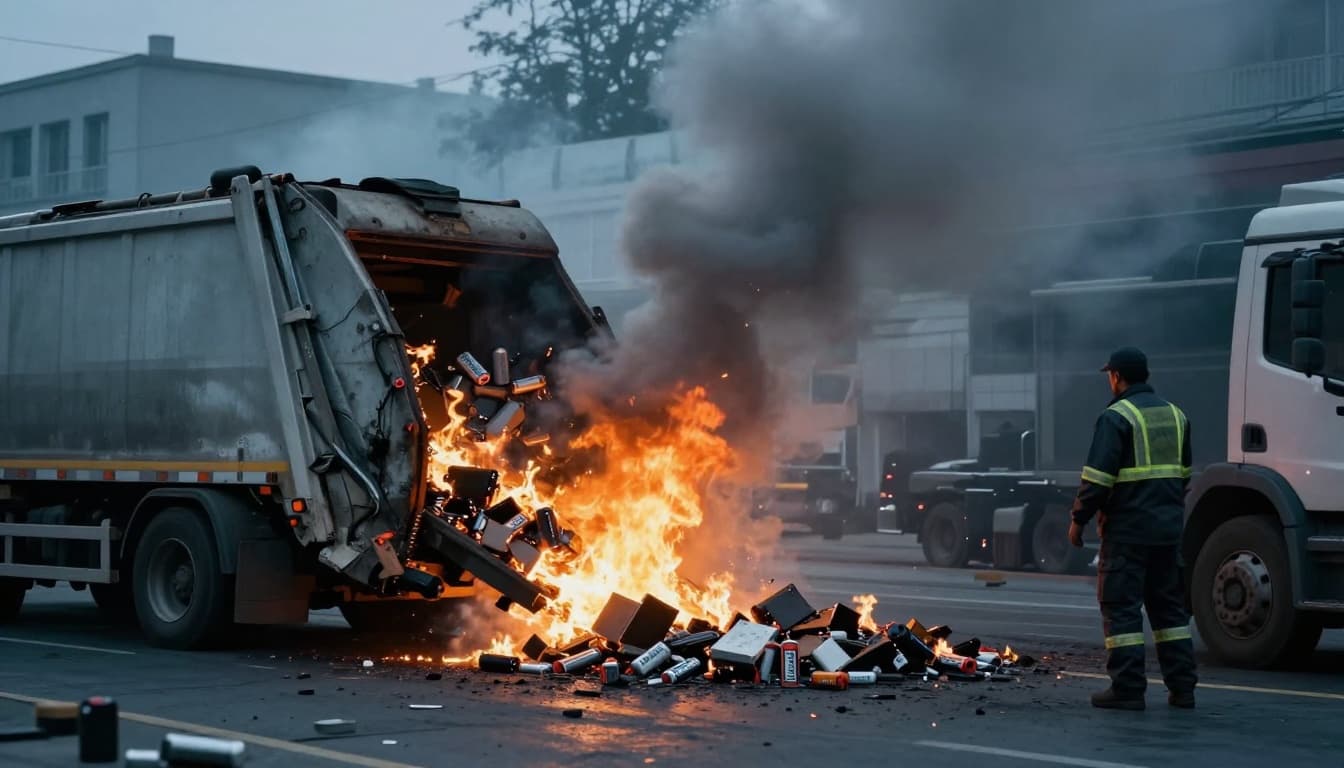
Fires spread fast because of thermal runaway. Heat builds, then flames erupt. In Des Moines, incidents rose from eight in 2024 to 21 in 2025. One blaze cost $2.5 million already this year.
Chemicals pollute when poured down drains. They seep into soil and rivers. Paint thinners and pesticides kill fish and taint drinking water.
EPA labels these as hazardous under RCRA. Even household cleaners qualify. E-bike and phone batteries add to the pile now. More devices mean more risks.
Workers dodge hot waste in landfills. Sun bakes batteries, starting underground fires. Animals eat tainted food. You can stop this cycle.
How to Handle and Recycle Batteries by Type Without Any Hassle
Prep batteries first. Tape terminals with electrical tape. Or bag them separately. This prevents shorts and sparks.
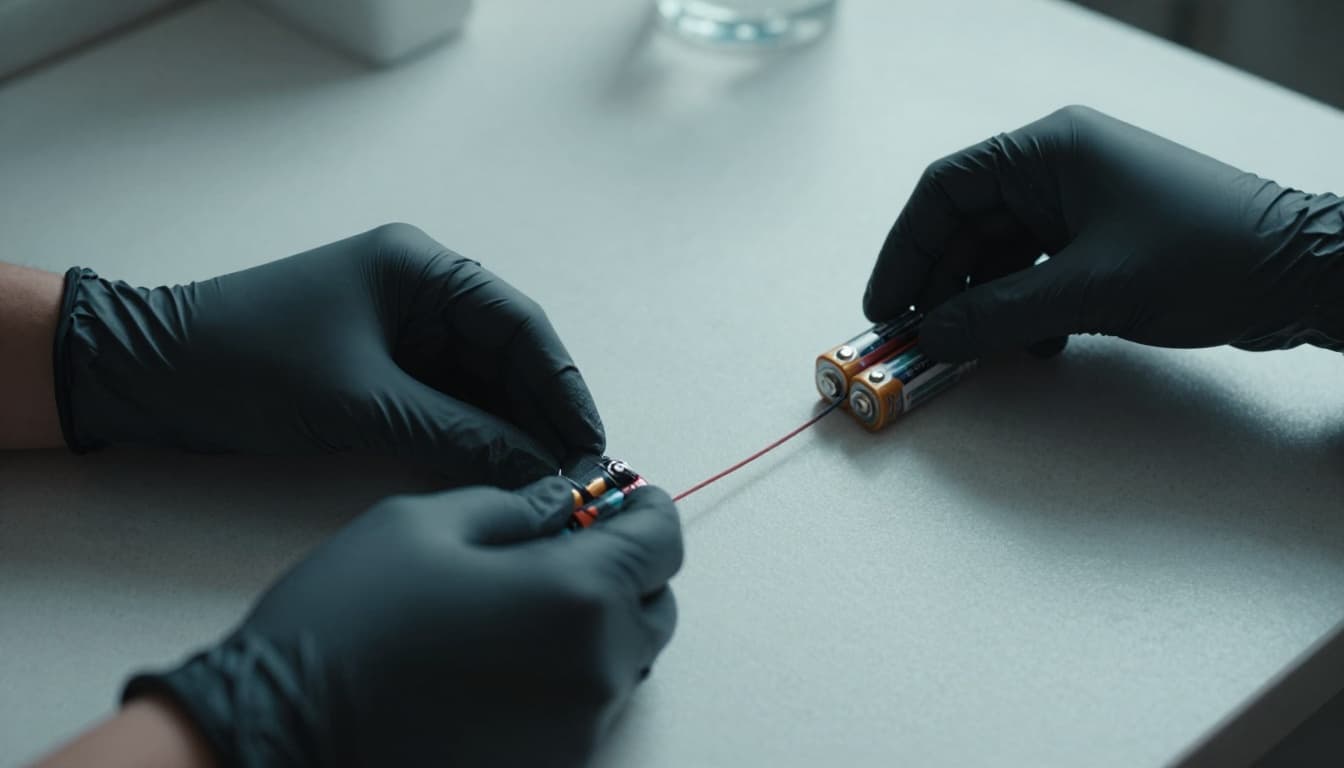
Never mix types. Skip regular trash or curbside bins. Most areas ban them there.
Everyday Alkaline Batteries Such as AA, AAA, and 9-Volt
These power remotes and toys. Do not trash them. Mercury levels dropped, but they still leach.
Take to retailers or recycling centers. Some cities offer curbside now. Keep in original packaging. It helps sorting.
Rechargeable Batteries from Phones, Laptops, and Tools
NiMH, Ni-Cd, and lithium-ion need care. Phones and laptops have built-in ones. E-bikes too.
Tape ends. Bag alone. Drop at Best Buy or Home Depot. Attend hazardous waste events.
Damaged lithium? Call the maker first. They guide safe handling.
Car Batteries and Other Lead-Acid Types
These recycle easy. Over 99 percent get reused. Return to auto stores with your new buy.
Scrap yards take them free. Lift with care; they weigh a ton. Almost every shop accepts.
Safe Ways to Get Rid of Household Chemicals Like Cleaners and Paints
Store in original containers. Label clearly. Keep cool, dry, and away from kids or pets.
No drains, trash, or burning. Mixing causes fumes or blasts.
Check EPA’s household hazardous waste page for examples. Paints, cleaners, and oils top the list.
Everyday Cleaners, Solvents, and Paints
Bleach and ammonia build up. Paint thinners evaporate toxins.
Take small amounts to waste sites. Check quantity limits. Garden centers handle some paints.
Pesticides, Used Oil, and Tougher Chemicals
Oil goes to recycling centers. Do not dilute pesticides. Events accept them free.
Motor oil re-refines into new lube. One gallon recycles into 42 gallons more.
Find Local Recycling and Drop-Off Spots Near You
Start with EPA tools. Enter your zip code for sites.
Use the EPA hazardous waste locator. It lists handlers nearby.
Call2Recycle offers a battery drop-off finder. Thousands of spots wait.
Illinois mandates retailer programs from 2026. New York expands takebacks. Vermont grows e-bike options. EPA’s framework hits summer 2026 with labels and tips.
County offices host events. Lowe’s and Home Depot join in.
Your Simple Step-by-Step Plan for Safe Disposal Every Time
Follow this each time. It builds good habits.
- Identify the type. Check labels for battery chemistry or chemical name.
- Store safe. Cool spot, original container.
- Prep it. Tape battery ends. Seal chemical lids.
- Separate items. No mixing batteries or chemicals.
- Locate a site. Use EPA or retailer tools.
- Transport right. Sturdy box in your trunk.
- Drop off clean. Follow staff rules.
Avoid these mistakes:
- Trash or recycling bins.
- Drains or sewers.
- Mixing types.
- Hot garages for storage.
Safe Habits Protect Everyone
Batteries go to recyclers by type. Chemicals head to waste sites. Locators make it simple.
States like Illinois update rules in 2026. Check yours often.
Bookmark the EPA battery toolkit. Share this post. Dispose of one item today. Recycling grows easier each year.