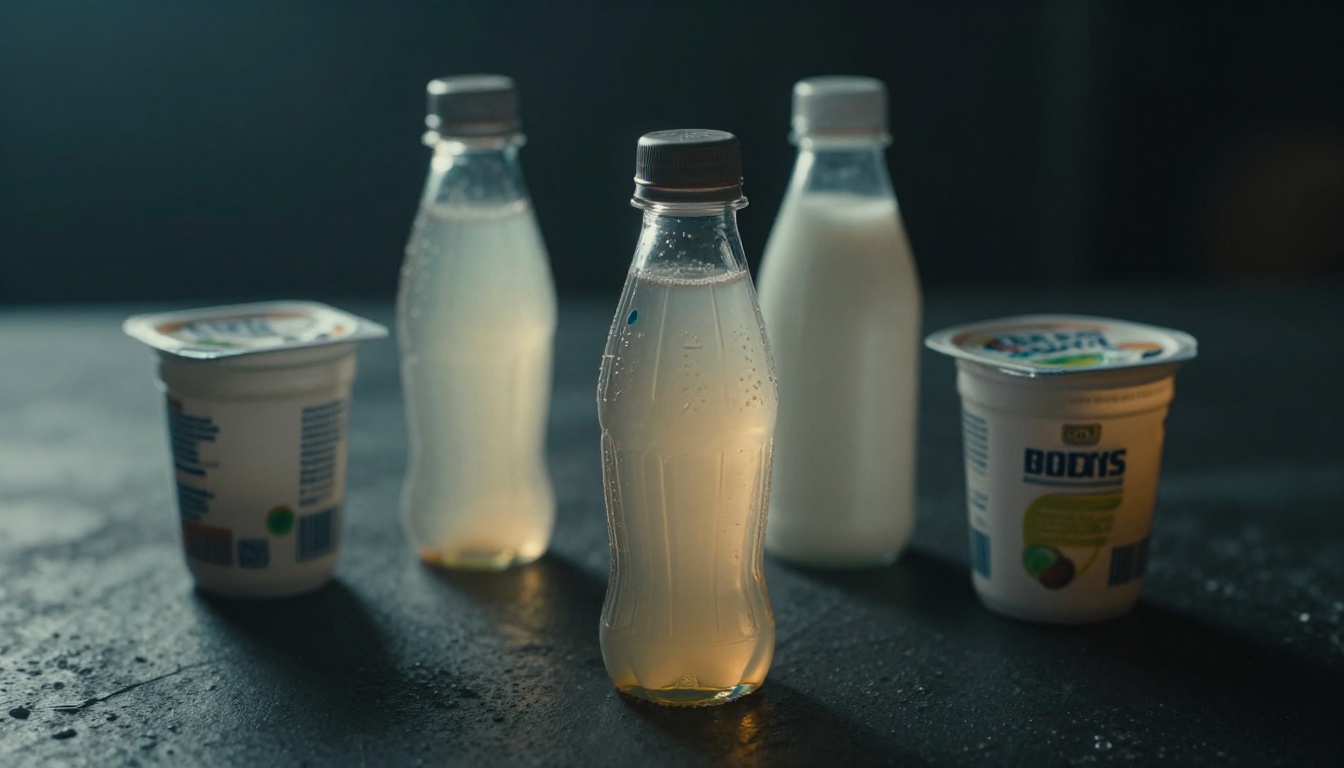
You grab a soda bottle from the recycling bin. Next, you spot a milk jug and a yogurt tub. Each has a tiny number inside a triangle symbol. These plastic codes confuse many folks. They mark resin types, but they also guide smart choices for recycling, food safety, and waste reduction.
Knowing these differences helps you recycle right. It keeps harmful plastics out of food or microwaves. Plus, it cuts down on the 400 million tons of plastic waste made yearly worldwide. In the US, only about 5 to 9 percent gets recycled overall. Yet codes 1, 2, and 5 lead the pack.
This article breaks down the seven main types. You’ll see strength, flexibility, heat limits, safety, uses, and recycling odds. A simple table compares them fast. Updated for April 2026 trends, like new state laws boosting collection, it includes tips to pick better. Let’s sort those plastics like a pro.
Why Plastic Codes Matter: Meet the Seven Main Types
Plastic makers use a resin identification code system. You see it as a triangle with arrows and a number from 1 to 7. The Society of the Plastics Industry created it in 1988. It helps sort materials at factories. But it does not mean every item recycles easily. Check your local rules first.
Here are the basics for each:
- PET (1): Think clear soda bottles.
- HDPE (2): Opaque milk jugs.
- PVC (3): Pipes or vinyl.
- LDPE (4): Squeeze bags.
- PP (5): Yogurt lids.
- PS (6): Foam cups.
- Other (7): Mixed, like polycarbonate.
These codes matter because they predict behavior. Strong ones hold up. Flexible ones bend. Some melt fast in heat.
The table below sums key traits. Ratings come from standard tests. Strength means impact resistance. Flexibility covers stretch. Heat resistance notes safe temps. Food safety flags direct contact okayness.
| Resin Code | Type | Strength | Flexibility | Heat Resistance | Food Safety |
|---|---|---|---|---|---|
| 1 | PET | High | Low | Moderate (250°C melt) | Yes, cold only |
| 2 | HDPE | High | Low | Good (120°C) | Yes |
| 3 | PVC | Moderate | Varies | Good (80-100°C) | No |
| 4 | LDPE | Moderate | High | Low (110°C) | Yes, cold |
| 5 | PP | High | Moderate | High (160°C) | Yes |
| 6 | PS | Low | Low | Low (100°C) | Limited |
| 7 | Other | Varies | Varies | Varies | Varies |
Codes 1 and 2 top most curbside programs. PP and LDPE gain ground in 2026, thanks to new rules in states like Oregon. For example, PET bottles turn into fleece. Always rinse items first. See a detailed guide on these codes for packaging.

This lineup shows everyday forms. Spot the codes next time you shop.
How Plastics Stack Up: Strength, Flexibility, Heat Resistance, and Safety Compared
Strength varies a lot. HDPE takes hits well, like in tough milk jugs that drop without cracking. PS breaks easy, as foam cups prove. PET stays rigid for bottles.
Flexibility follows suit. LDPE stretches for bags that squeeze without tearing. PET and PS stay stiff. That makes LDPE great for wraps, but PS shatters under bend.
Heat resistance decides microwave use. PP holds up to 160°C, so yogurt tubs zap fine. LDPE melts at 110°C. Avoid it for hot foods. PS softens near 100°C, risking leaks.
Food safety tops daily worries. HDPE, PP, and PET work cold. HDPE shines all around. Skip PVC; it leaches chemicals. PS styrene concerns grow hot. Code 7 often hides BPA risks, though regs push BPA-free now.
| Property | Best Types | Worst Types | Everyday Tip |
|---|---|---|---|
| Strength | HDPE, PET, PP | PS | Drop-test jugs |
| Flexibility | LDPE | PET, PS | Bag test stretch |
| Heat | PP | LDPE, PS | Microwave check |
| Safety | HDPE, PP | PVC, PS | Food contact no |
Codes 1, 2, and 5 win overall. They suit most homes. Recent laws favor them too. For kids toys, pick HDPE. Microwave? Go PP. These picks cut risks and boost recycling.

These tests spotlight real differences. Notice how each reacts.
The Recycling Stars: PET, HDPE, and PP Explained
These three shine brightest. They recycle easy and safe. US rates hover low overall. Yet PET hits 33 percent collection in 2023 data. HDPE and PP near 18 percent. Demand grows with 2026 EPR laws in seven states.
PET leads lightweight strength. It blocks gas and moisture. Soda stays fizzy. Bottles become new ones or fleece. It melts at 250°C but limits hot reuse. Env impact drops when recycled.
HDPE builds tough. It resists chemicals and impacts. Milk jugs last. It recycles into bins, pipes, toys. Safe for food, good to 120°C. Second most recycled.
PP offers fatigue resistance. It flexes without fail. Yogurt tubs, straws, microwave dishes fit. High heat to 160°C. Recycling jumps; cities add programs. Brands use more recycled content.
Next time you grab a yogurt tub, check for 5. Toss it clean in curbside.
PET (Code 1): The Clear Winner for Bottles
PET rules bottles and jars. Shampoo and pills use it too. Clarity sells. High strength, low bend. Food safe cold. Most curbside accepted. Recycling cuts waste big.
HDPE (Code 2): Built Tough for Jugs and Toys
Impact king up to 120°C. Opaque colors hide dents. Grocery bags, pipes too. Low toxicity. Top curbside pick.
PP (Code 5): Your Microwave and Straw Go-To
Fatigues slow, recycles many times. Ropes, car parts from it. 2026 sees more programs. High heat safe.
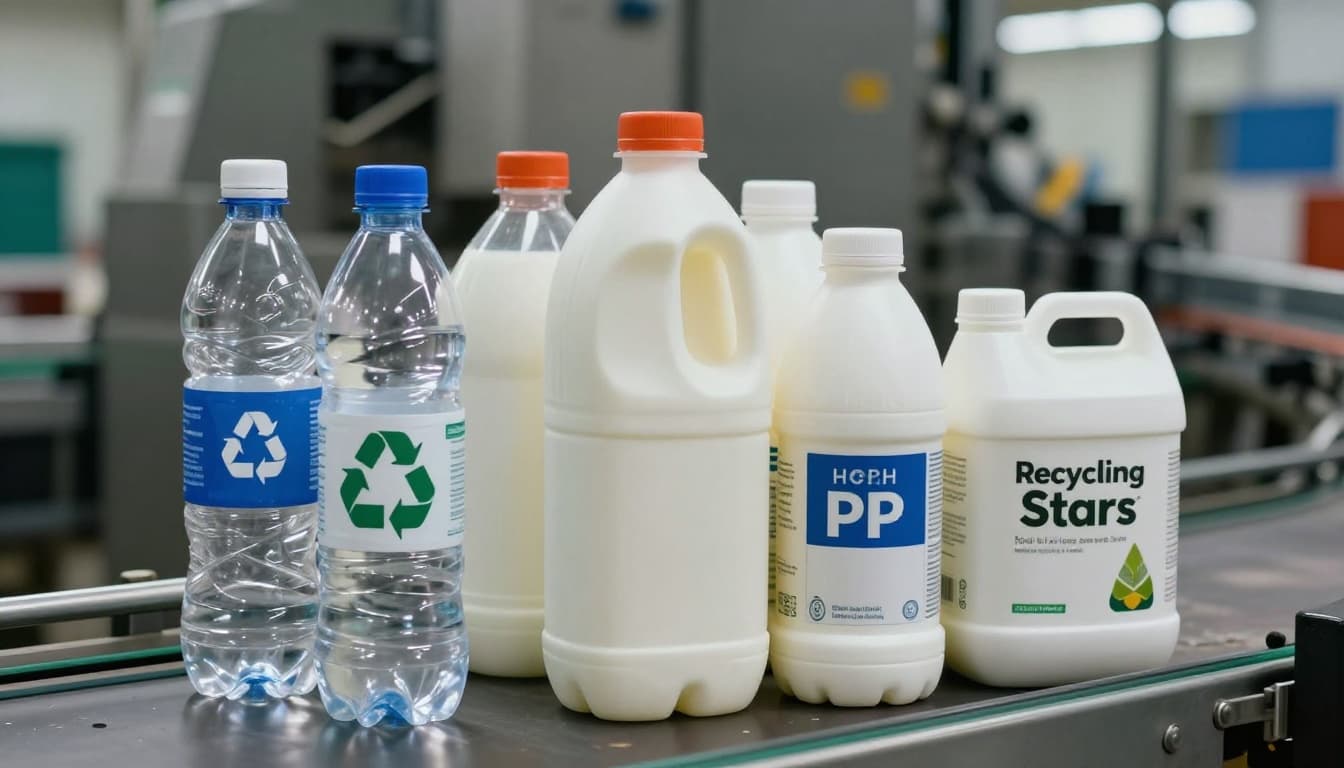
Recycling plants sort these fast. They turn waste to new goods.
Check 2026 trends on recycled PET demand.
Plastics to Handle with Care: LDPE, PVC, PS, and Others
Not all plastics star. These need caution. Env impacts linger, like microplastics from PS. Recycling lags. LDPE at low rates. PVC and PS near zero curbside.
LDPE flexes high. Soft, moisture proof. Bags, wraps, tubes. Melts low at 110°C. Food safe cold. Recycling okay for rigid; bags contaminate.
PVC lasts but toxics worry. Rigid or soft with additives. Pipes, floors, medical tubes. Heat okay, dioxins burn. No food. Low recycle.
PS insulates light. Brittle, low heat. Foam cups, pots, razors. Styrene risks hot. Breaks to bits. 2026 bans spread in cities.
Other mixes wild. Polycarbonate strong, BPA past. Bioplastics compost, not curbside. Needs special spots.
LDPE (Code 4): Flexible Bags and Wraps
Bends easy, low melt. Cosmetic tubes, food wrap. Rigid recycles better.
PVC (Code 3): Strong but Stay Away from Food
Versatile, chemical release risk. Window frames. Dioxins issue.
PS (Code 6): Foam Cups and Packaging Foes
Softens fast, microplastics foe. Many bans now.
Other (Code 7): The Wild Card Mix
Nylon, PLA vary. Compost bioplastics special.

Handle these with care. They pose bigger risks.
Key Takeaways and Next Steps
PET, HDPE, and PP top for recycling and safety. They handle daily use best. Codes 1, 2, 5 go curbside most places. Others lag; skip for food or heat.
Check numbers always. Rinse clean before bins. Choose reusables over single-use. Support 2026 pushes like EPR in California, Colorado. They fund better collection.
Audit your kitchen today. Swap foam for PP. One bottle at a time helps the planet. Share this with friends. What code surprises you most?