
Americans toss out about 263 plastic bottles per person each year. That adds up to billions clogging landfills and oceans. Food transport alone pumps out 3 billion tonnes of CO2 worldwide annually.
You feel the pull to do better. Sustainable living slashes your bills, improves health, and fights climate change. Best part? You don’t need huge changes.
These steps cover waste, energy, food, travel, and shopping. They fit busy lives in April 2026. Trends like minimalism and eco-apps make it easier than ever. Let’s start with your home.
Cut Waste and Fill Your Home with Reusables
Single-use plastics dominate trash heaps. In the US, low recycling rates mean most end up polluting waterways. Swap them for reusables, and you cut waste fast.
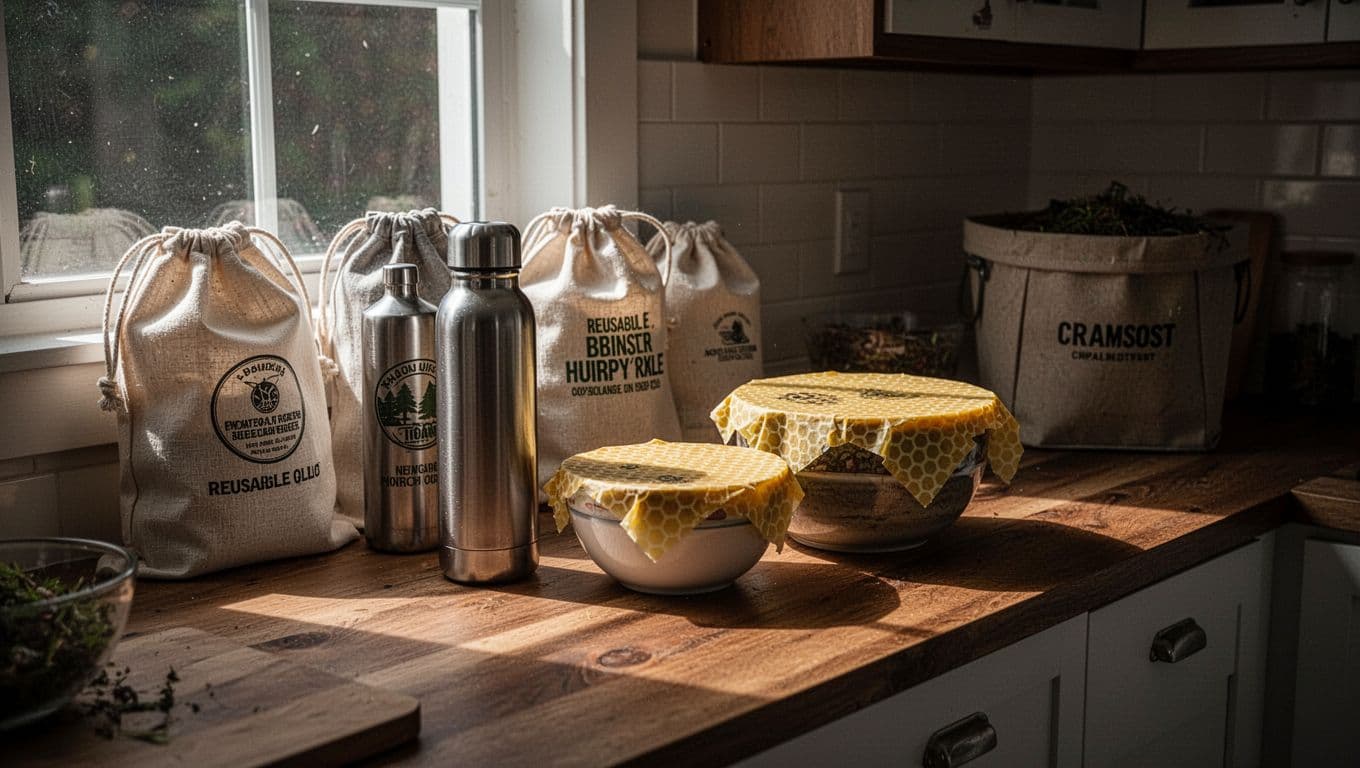
Cloth bags replace plastic ones at stores. Reusable towels beat paper versions. Steel bottles end single-use water bottle habits. These switches save money over time.
Composting turns scraps into soil. Many cities offer free pickups. Upcycle old items instead of tossing them. Home gardens skip packaged produce altogether.
The minimalism trend in 2026 pushes buy less, repair more. Apps like TreeClick track your progress. Pet owners switch to biodegradable litter. You build less trash and pocket savings.
For more on replacing disposables, check three ways to reduce plastic waste.
Switch to Reusables for Everyday Wins
Cloth napkins wash easily and last years. They cut laundry less than paper stacks. Steel bottles keep drinks cold or hot for hours.
Beeswax wraps cover bowls or sandwiches. You ditch plastic wrap forever. These items pay for themselves in months. No more weekly store runs for disposables.
Time adds up too. Prep once, reuse often. Your kitchen feels calmer with less clutter.
Compost and Grow Your Own to Ditch Landfills
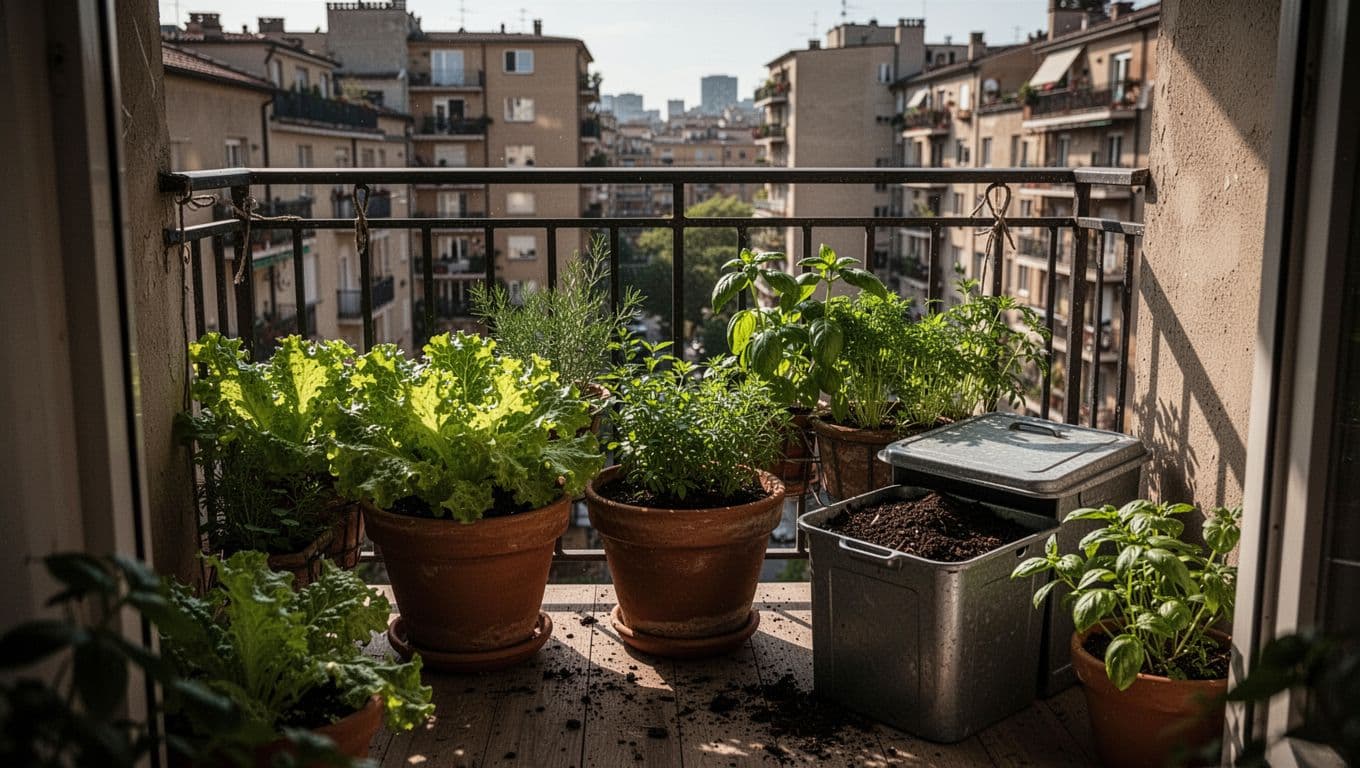
Start with a bin for peels, grounds, and cores. Layer greens and browns like leaves. Turn weekly for air flow.
Cities in the US expand pickups. Check local rules first. Beginners find success with home composting guides.
Grow lettuce or herbs on balconies. They thrive in pots. Can extras for winter. Link this to meals below.
Save Energy and Lower Bills with Smart Habits
Households waste power on unseen drains. Smart habits drop emissions 25-30% over time. Bills shrink too.
Unplug chargers and TVs. Use power strips for easy cuts. Switch to LEDs; they use 75% less energy and last 20 years.
Cold washes save on heating water. Dark mode on phones cuts battery drain 20-45%. Delete old files to free space.
2026 brings low-energy tech trends. Eco-modes on appliances help. Seal drafts around doors and windows first.
Tackle Hidden Energy Drains First
Standby power saps 10% of bills. Devices draw watts even off. Plug into strips that auto-shut.
Timers work for fans or lights. Smart strips sense idleness. You notice lower statements quick.
For details on standby fixes, see phantom energy tips.
Upgrade Lights and Laundry Routines
LEDs beat old bulbs hands down. One swap saves $225 yearly per home. They run cool, no heat waste.
Wash in cold; it cleans fine. Full loads max efficiency. Clean dryer filters monthly.
These routines stack savings. Your home runs smoother.
Eat Local and Plant-Based for Planet-Friendly Meals
Food miles spike CO2. Global supply chains add billions of tonnes. Local eats cut that load.
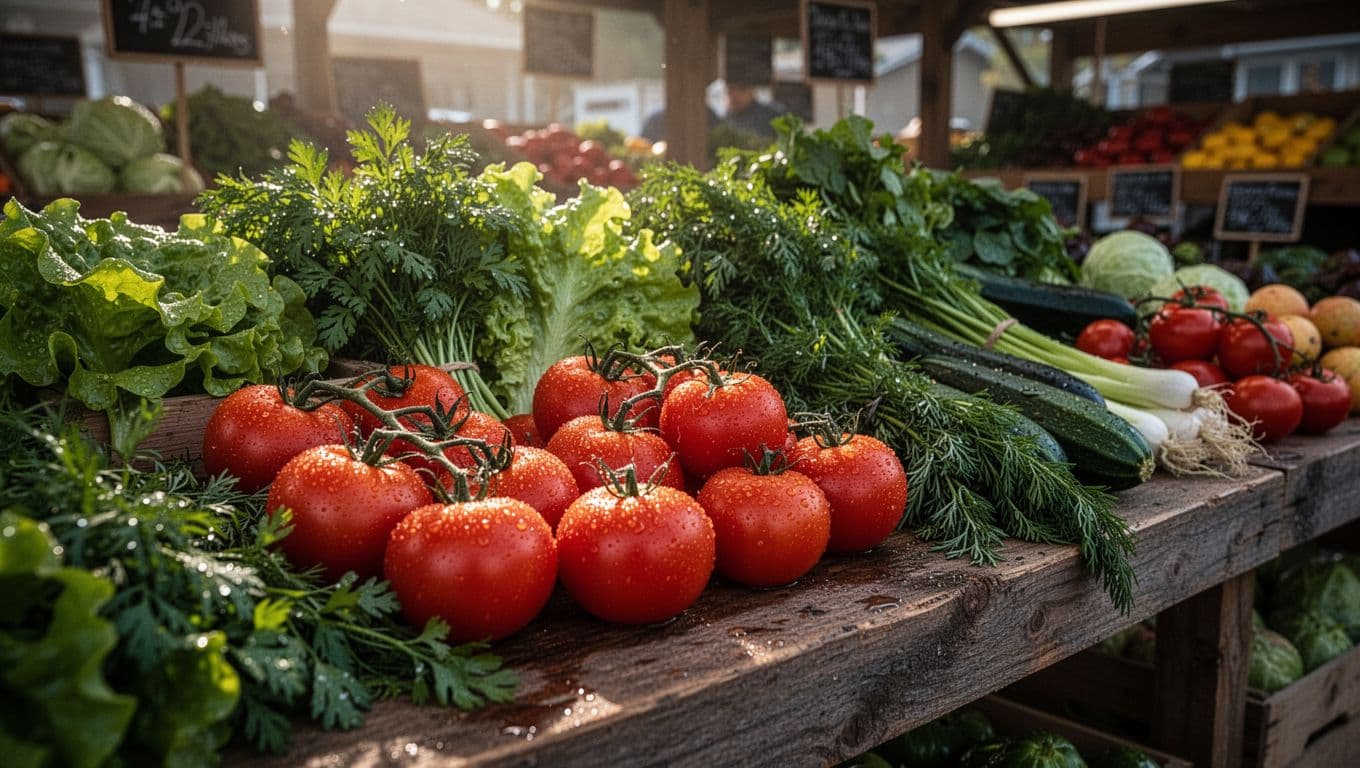
Farmers markets offer zero-mile produce. CSAs deliver weekly boxes. Plan meals to use all.
Meat-free days ease in. Beans swap for beef. Grow scraps from compost. Health wins pair with eco gains.
In 2026, these habits align wellness and planet care.
Shop Close to Home for Fresher Food
Local trips under 100 miles slash emissions. Produce tastes better, packs nutrients.
Markets build community. Every dollar spent generates $1.60 locally. CSAs fit budgets with SNAP deals.
See how CSAs shrink food footprints.
Ease into Fewer Animal Products
Try bean chili Tuesdays. Lentils fill like meat. Recipes abound online.
Less meat cuts production emissions most. Pair with local veggies. Waste drops from planning.
Choose Greener Ways to Travel Daily
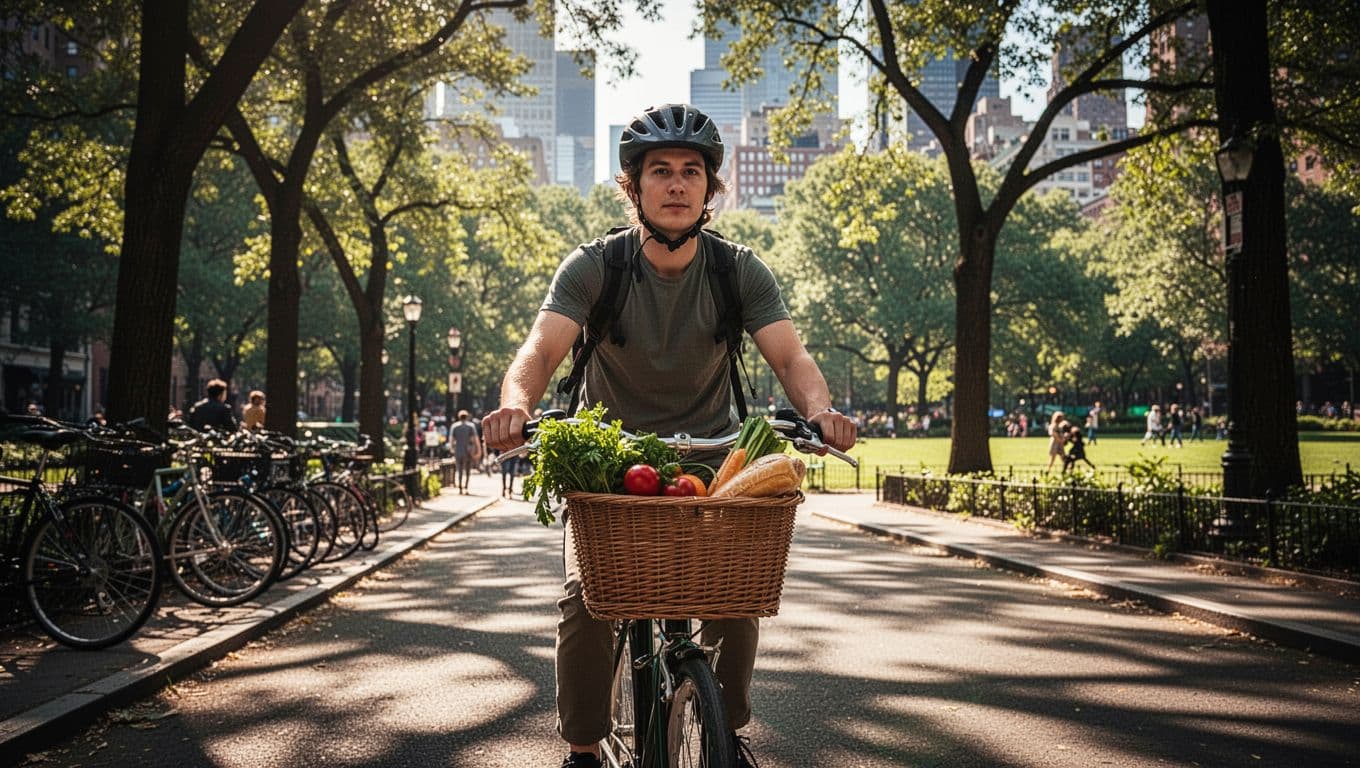
Daily drives build carbon footprints. Walk short trips. Bike for errands.
Carpool or bus for work. Efficient cars help longer hauls. New bikers add baskets and helmets.
Basics cut emissions big. Cities add bike lanes in 2026.
Shop Sustainably to Last Longer and Waste Less
Quality beats quantity. Apps spot eco-brands. Thrifting on Depop saves cash.
Durable clothes last seasons. Energy-efficient appliances pay back fast. Low-flow showerheads cut water.
Rain barrels collect roof runoff. Short showers save gallons daily. Local shops trim shipping miles.
2026 eco-trends favor these picks.
Hunt for Lasting, Ethical Gear
Check labels for recycled materials. Apps rate brands. Thrift stores offer gems.
One good jacket outlasts five cheap ones. Appliances with stars save energy.
Browse sustainable clothing by budget.
Support Local and Cut Shipping Miles
Small businesses create jobs. Less packaging means less waste. Buy direct online from nearby.
Emissions drop without cross-country trucks. Communities thrive as a result.
Small changes in waste, energy, food, travel, and shopping add up. You cut billions in collective pollution like plastic waste or food CO2.
Progress beats perfection. A reusable bottle or bike ride starts momentum. Stats show households save 25% on energy alone.
Pick one step this week. Share your wins below. Your actions spark global shifts in 2026.