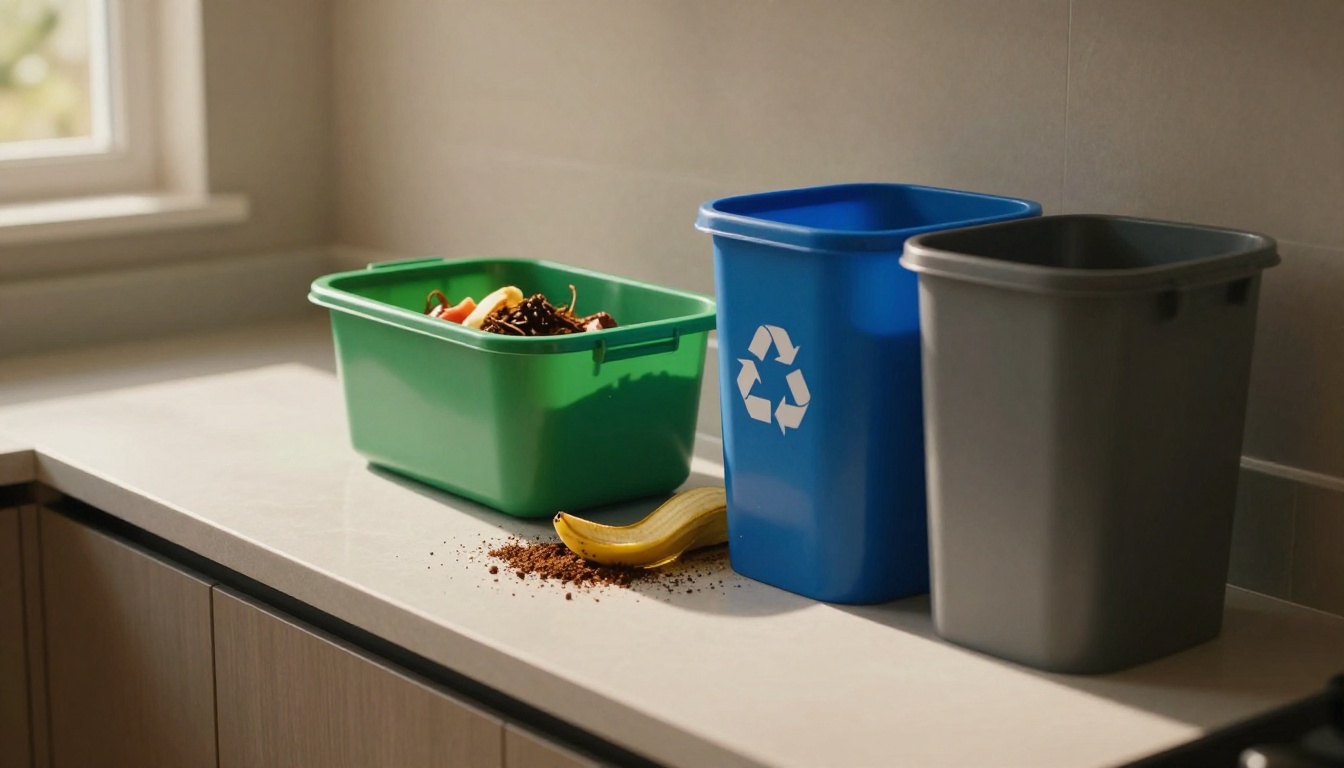
Picture this: your kitchen bin overflows with banana peels, coffee grounds, and veggie scraps. That’s 25-40% of the average US household’s trash, all organic waste that could turn into rich compost instead of landfill methane. No wonder sorting feels overwhelming at first.
One Vermont family switched to home composting after local rules kicked in. They halved their trash bags in just months, ditching fewer pickup fees and enjoying a smell-free kitchen. You can see similar wins too, like NYC homes cutting trash by 20-30% in weeks.
Easy waste separation at home pays off big. You’ll save cash on smaller bins (households toss 6,570 pounds yearly without it), keep bugs and odors away for a cleaner space, and help the planet by diverting millions of tons from dumps. Plus, it’s simpler than you think with the right steps.
We’ll cover four straightforward ways: quick setups for any kitchen, daily habits that stick, must-have tools like smart bins and apps, and 2026 trends making it effortless. Follow these, and you’ll sort waste without thinking twice. Ready to start?
Unlock the Four Main Waste Categories to Sort Like a Pro
Sorting waste boils down to four simple categories. This setup uses just four bins or bags in your kitchen or garage. You’ll cut confusion and handle 30-40% of your trash that’s organics alone, based on US household data. Food scraps lead at 21-24% of total waste, while recyclables make up another 21-35%. In addition, hazardous items stay tiny at under 1%, leaving general trash for the rest. Check local rules first with apps like RecycleNation because guidelines vary by city. Reduce before you sort: cook fresh meals to limit scraps, and grab reusable bags for shopping. These steps make separation a habit.
Organic Waste: From Kitchen Scraps to Nutrient-Rich Compost
You toss peels, coffee grounds, eggshells, yard trimmings, and even napkins here. These 66% of municipal solid waste turn into compost, not methane in landfills. Balance greens (scraps) with browns (leaves, shredded paper) at a 1:3 ratio to dodge smells.
Mix them weekly in a backyard pile or bin. For small spaces, try worm bins with red wigglers, bokashi fermentation, or electric composters that grind scraps to soil in hours. No-smell pails with charcoal filters keep your counter fresh.
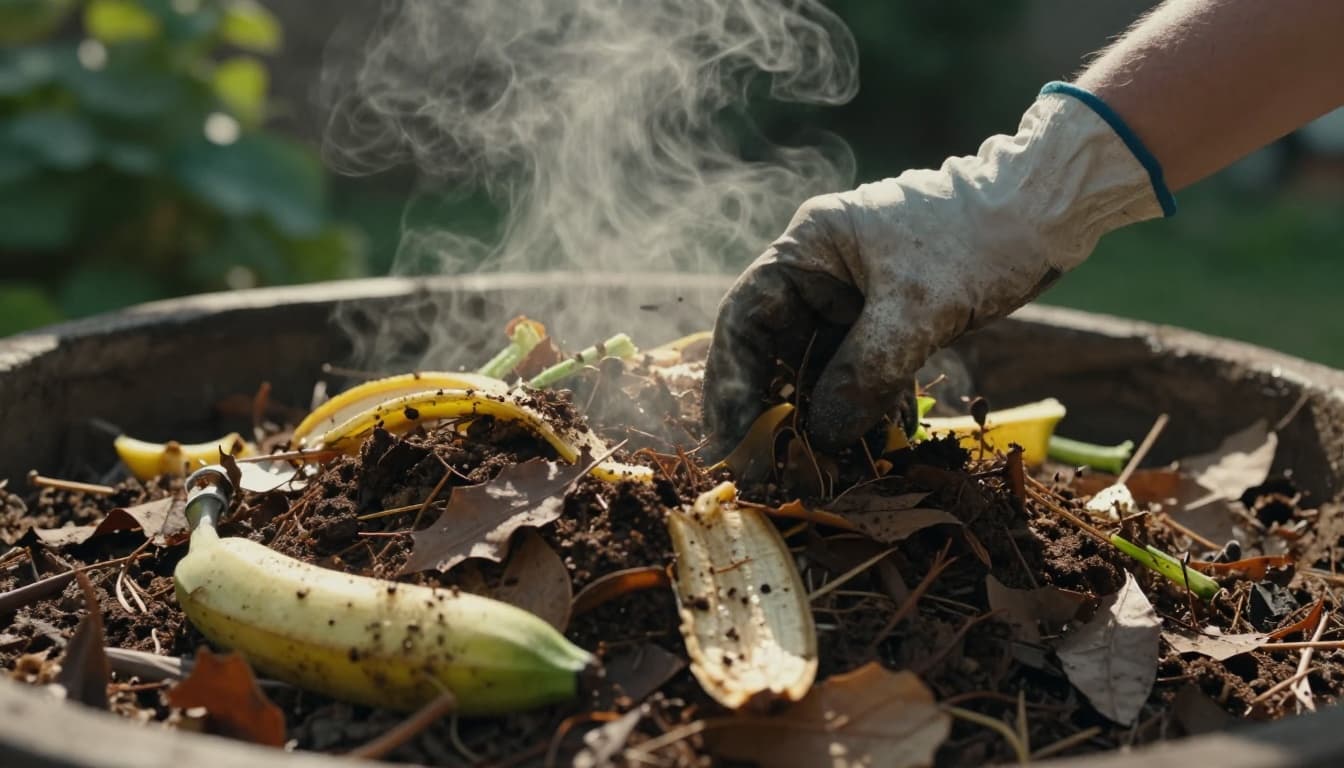
Benefits pile up: free fertilizer for plants, trash volume drops 25-40%, and your kitchen stays odor-free. See small-space composting options for apartment setups.
Recyclables: Rinse and Toss for a Cleaner Future
Plastics numbered 1-7, cardboard boxes, paper, aluminum cans, steel, and glass jars fit here. Rinse them quick to avoid contamination; sticky residues ruin batches.
Reuse beats recycle: swap paper towels for cloth, plastic bags for mesh produce ones, and bottled water for a home filter. Apps confirm local rules, since not every town takes all plastics.
Avoid wishcycling, or tossing unrecyclables in hope. It clogs systems. Instead, four bins keep it simple: one each for organics, recyclables, hazardous, and trash.
Hazardous and General Trash: Know What Stays Out of the Mix
Hazardous waste like batteries, cleaners, paints, pesticides, and old meds never hits regular bins. Take them to local drop-offs; most counties host free events. Households generate just 15-30 pounds yearly, so plan ahead.
General trash covers bagged non-recyclables: diapers, plastic film, styrofoam. Declutter first; donate old towels or clothes. As a result, your main bin shrinks, saving trips to the curb. Stick to these categories, and sorting feels automatic.
Set Up a Color-Coded Sorting Station That Fits Any Home
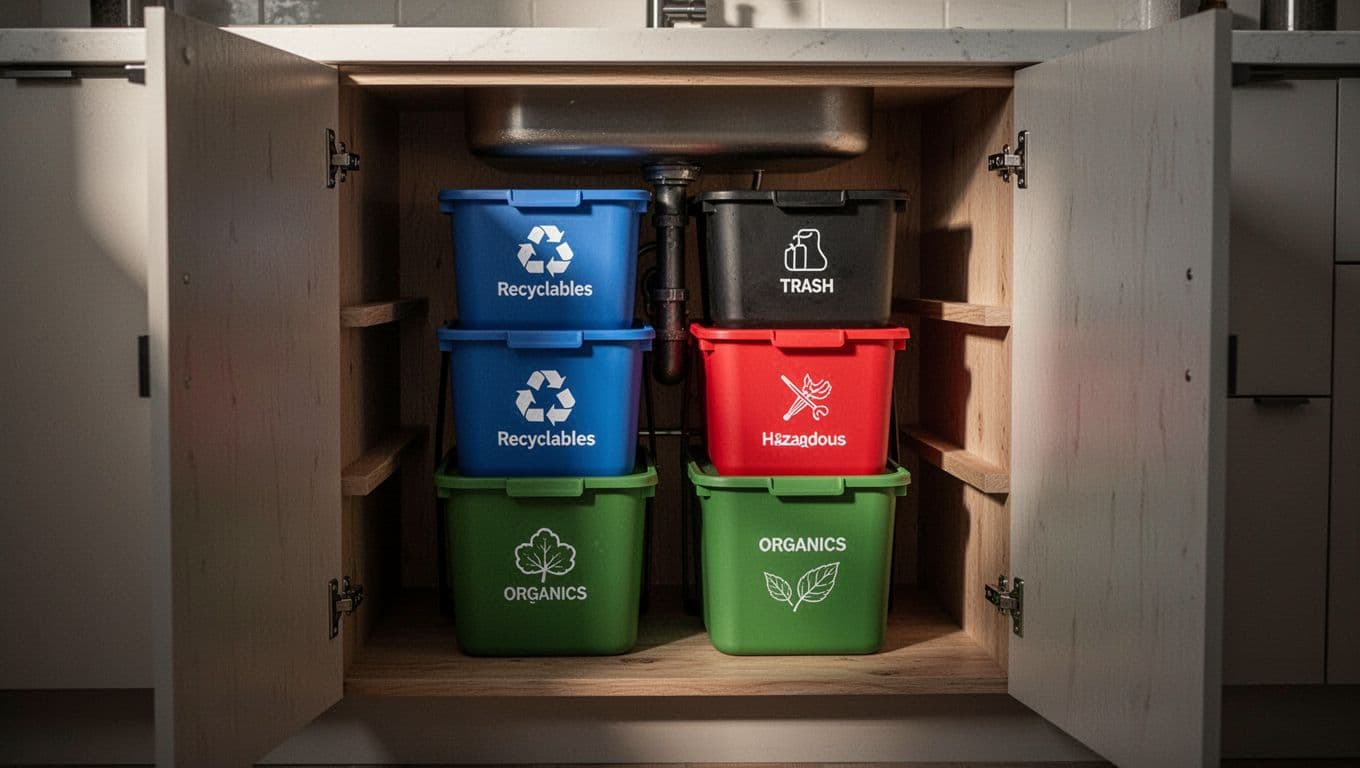
You can build a sorting station in under 30 minutes. Grab four stackable bins or bags: green for organics, blue for recyclables, red for hazardous waste, and black for trash. These colors match common US rules, so everyone spots them fast. Stack them to save space, add vinyl labels, and pick foot-pedal or liner-free options to skip plastic bags. As a result, your kitchen stays clean, and sorting becomes automatic. Start small with two bins if four feels too much. Then add the rest.
Families love this setup because each person sorts their own waste right after use. Empty bins weekly to keep smells away. For a quick diagram, sketch bins stacked like a tower: green at bottom for heavy scraps, blue next, red above, black on top.
Choose the Right Bins and Labels for Your Space
Pick stackable bins around $10-20 each. They nest neatly without wasting room. Look for ones with front flaps or pedals for easy toss-ins. Colors guide you: green holds peels and yard bits; blue takes plastics and cans; red gets batteries or cleaners; black catches the rest.
Smells-blockers matter most in kitchens. Charcoal filters trap odors in organic pails. For scraps, use a small tumbler bin that spins to mix and dry waste fast. Yard waste fits larger tumblers outside.
Here are top affordable picks that fit US homes:
| Bin Set | Capacity | Colors | Price | Best For |
|---|---|---|---|---|
| Trash Cans Unlimited 3-Pack | 18 gal each | Blue, Gray, Green, Red | $49/set | Small kitchens, value |
| Rubbermaid Stackable | 30 gal | Color-coded options | $30-40 | Daily use |
| IKEA SORTERA | 10 gal | Multi-color | Under $30 | Budget basics |
Check Trash Cans Unlimited stackable bins for sets under $50. Vinyl labels stick well and wipe clean. Therefore, your station looks sharp and works great.
Prime Spots in Your Home for Hassle-Free Access
Place your station where you cook or toss most waste. Under the sink works best; pipes hide behind bins, and you reach it mid-meal. Garages suit bigger families with driveway access. Balconies handle yard scraps in apartments. Pantries keep it out of sight but close.
Integrate with your flow. Pullout racks fit cabinets for no-bend grabs. In tight spots, countertop pails with lids double as decor. For example, a 1-gallon organic pail sits by the sink.
See pullout recycling solutions from IKEA. Garages need weatherproof bins; balconies get hooks for hanging bags. So, you sort without extra steps. Everyone joins in, and trash hauls shrink fast.
Adopt These Habits to Make Waste Separation Automatic
You set up your bins and know the categories. Now build habits so sorting happens without thought. These steps turn waste separation into autopilot. Families cut trash by half in weeks. For example, one Seattle household dropped bags from five to two weekly after daily routines stuck.
Start with the one-touch rule. Rinse and sort items right where they land. No piles on counters. This keeps your kitchen clean and builds speed. As a result, you finish meals with empty spaces.
Sort Immediately and Involve Your Family
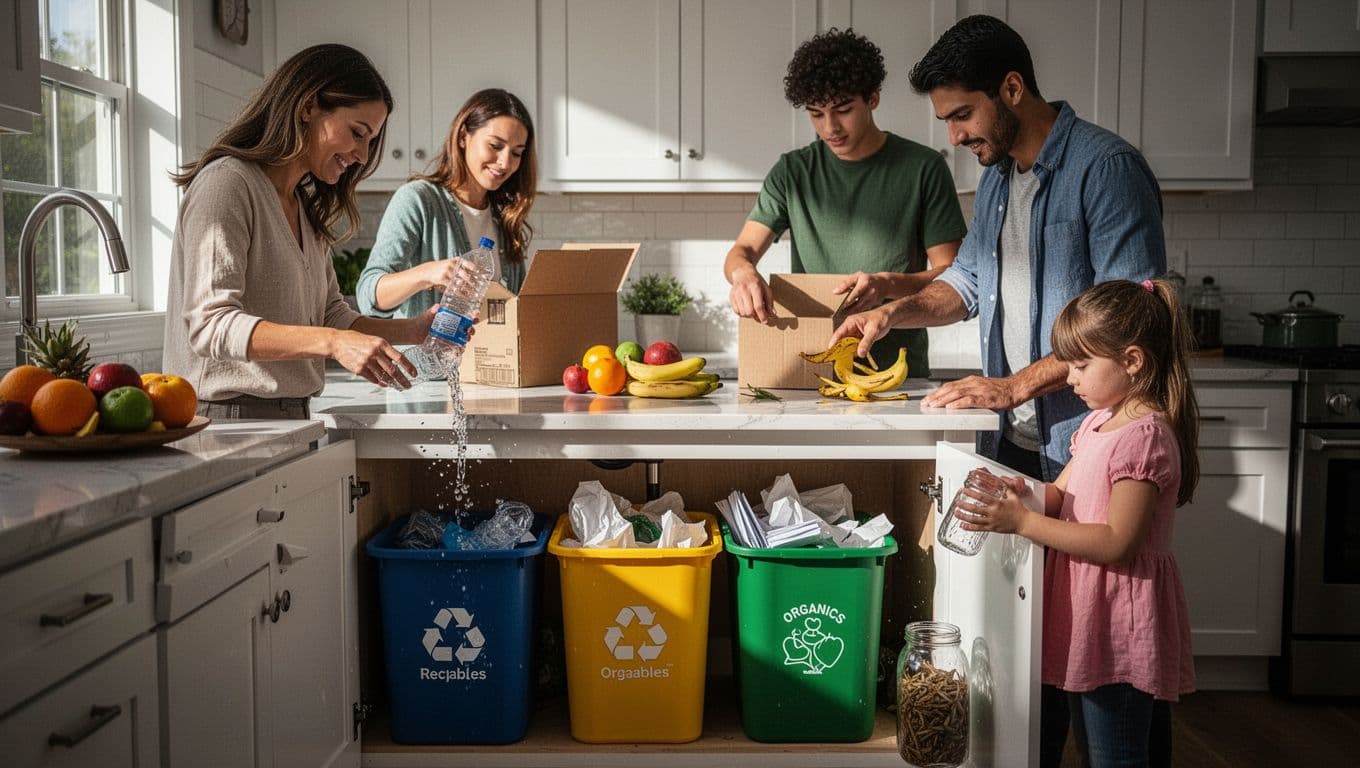
Grab peels mid-prep and drop them in green. Everyone joins because kids love the game. Hold a five-minute evening sort; first done picks dessert. Therefore, habits spread fast.
Label bins with pictures for quick spots. Blue gets bottles; green takes scraps. Check daily recycling routines for more family tips. In short, team efforts make it fun.
Reduce Waste Before Sorting Starts
Shop with reusables like silicone bags and steel straws. They replace plastics that pile up. Make cleaners from vinegar; skip harsh bottles.
Declutter duplicates and swap at community events. Freeze leftovers to eat later. These cuts shrink your bins first. Besides, you save money on disposables.
Balance Compost and Track with Apps
Mix greens and browns 1:3 in your pile. Add leaves to scraps weekly. This stops smells and speeds breakdown.
Use apps for local rules and log wins. Aim for 50% diversion; most hit it quick. So, your trash hauls drop, and separation feels natural.
Gear Up with Tools and Gadgets That Do the Work for You
Tools take the hassle out of waste separation. You grab them once, and they handle the rest. These picks cut disposables, block odors, and automate sorting. As a result, your kitchen stays clean, and trash shrinks fast. Families save $50-100 yearly on bags and hauls. Best part? They fit any budget and space.
Kitchen Must-Haves to Ditch Disposables Forever
Swap single-use items for reusables that last years. Silicone bags seal snacks tight; they wash quick and stack neat. Mesh produce bags let air flow, so fruits ripen right without plastic waste. Menstrual cups replace pads for months; one wash keeps you going. Water pitchers filter taps clean, so you skip bottles.
Charcoal-filter pails trap compost smells. Sink filters catch scraps before they clog drains. Foot-pedal bins open hands-free for easy tosses. These cut your trash by 20% right away.
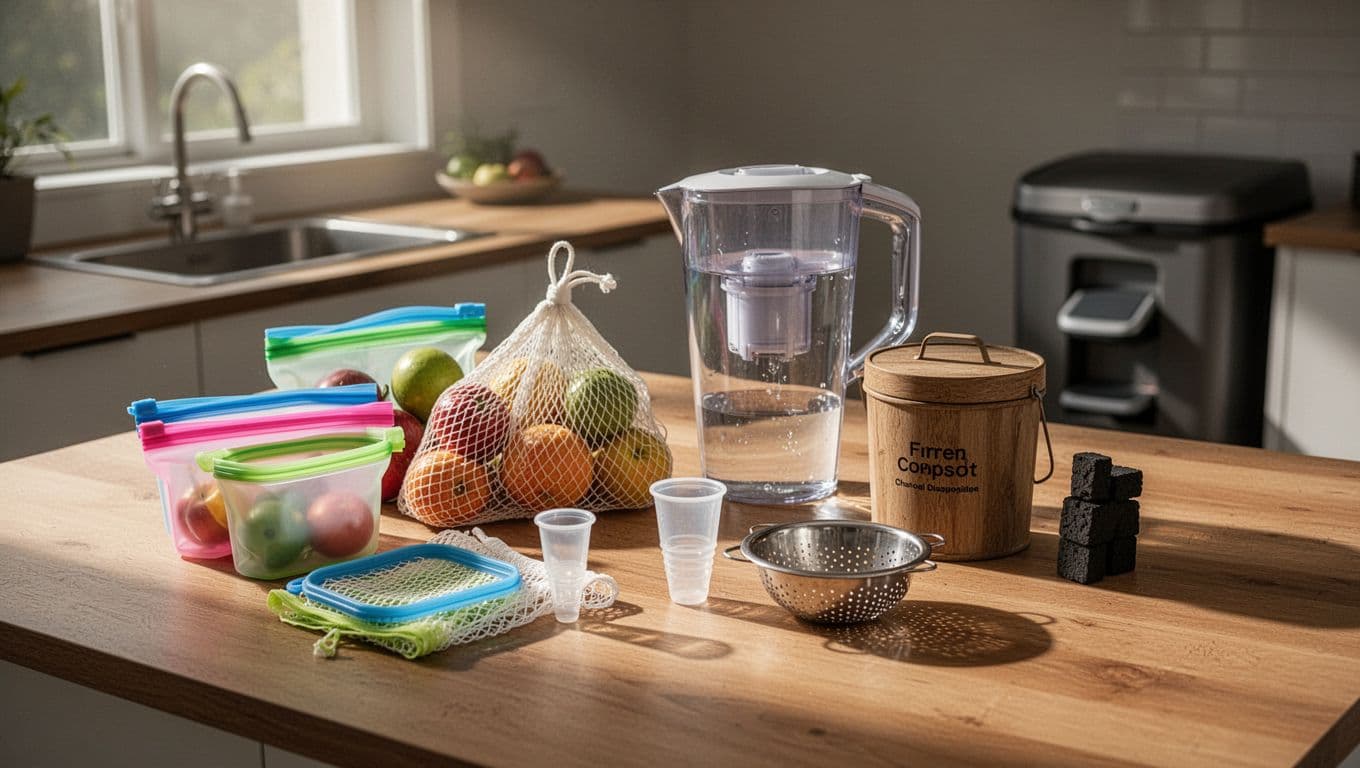
Start with Stasher silicone bags; a half-gallon pack costs under $20. Add mesh produce bags from Amazon best sellers. Therefore, disposables vanish, and your bins stay light.
Smart Tech and Compost Gadgets for 2026 Homes
Future-proof your setup with quiet, app-linked gear. Auto-sorting bins like Rezzi SmartCan use sensors to split recyclables; they weigh loads and alert your phone. Vermicomposters let worms chew scraps into soil; stackable models fit apartments under 50dB. Bokashi buckets ferment waste fast with bran; no smells, ready in weeks.
Electric countertop composters like Lomi grind scraps to dirt in hours. They run silent for city living.
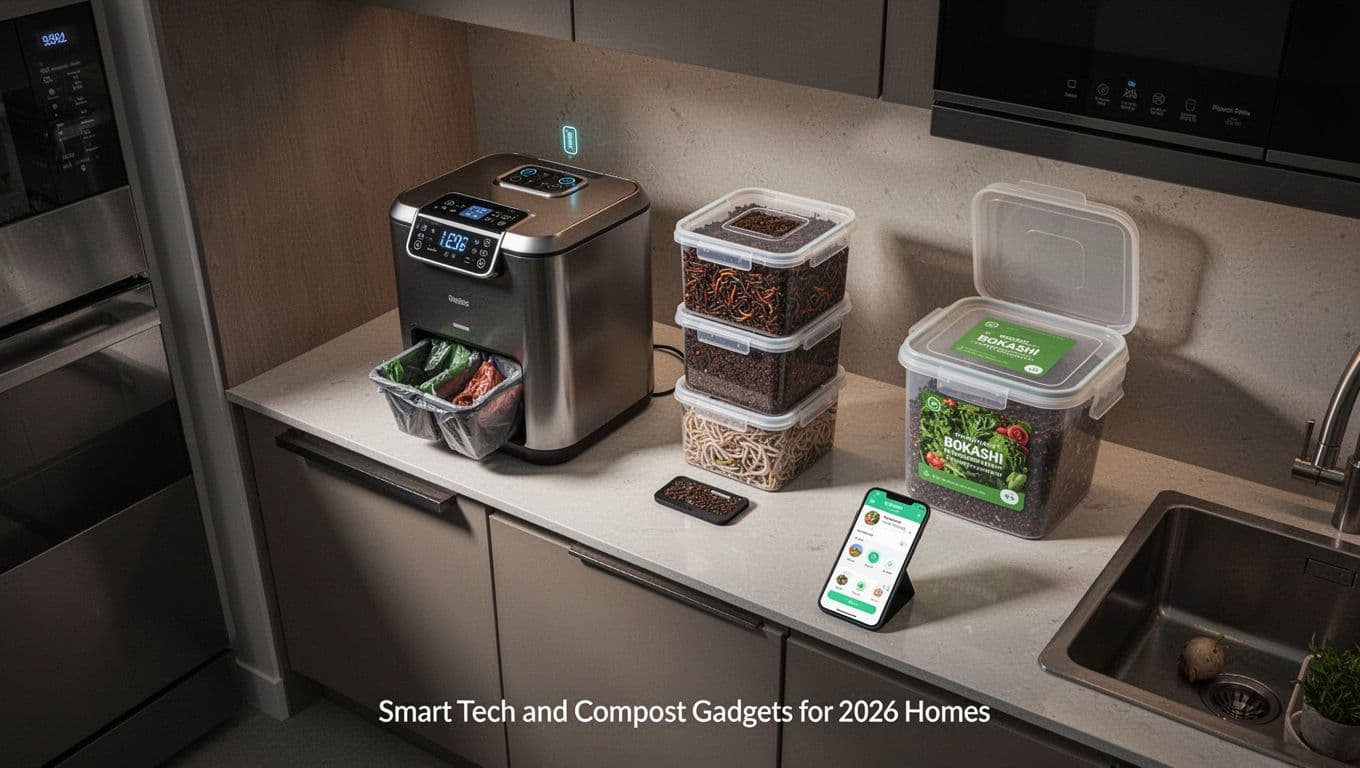
Pros beat cons: apps track habits, but power use adds $10 monthly. Buy affordable on Amazon composting bins or check Good Housekeeping’s top composters. In short, these gadgets make zero-waste automatic.
Conclusion
You now know the four main categories, from organics to recyclables. A simple color-coded station under your sink makes sorting fast. Habits like the one-touch rule and family games turn it automatic. Tools such as reusable bags and smart composters handle the rest.
Picture your kitchen free of overflowing bins. That 25-40% organic waste becomes compost, not landfill filler. Small changes like these build your zero-waste home step by step.
Label two bins today and track your trash drop over a week. Check local rules at RecycleNation. Share your wins in the comments or on social; what’s your first swap? These best ways to separate waste easily add up big for your wallet and the planet.
Quick FAQ: Always rinse recyclables to avoid contamination. Don’t bag plastics; they jam machines. Sort daily so piles don’t build.