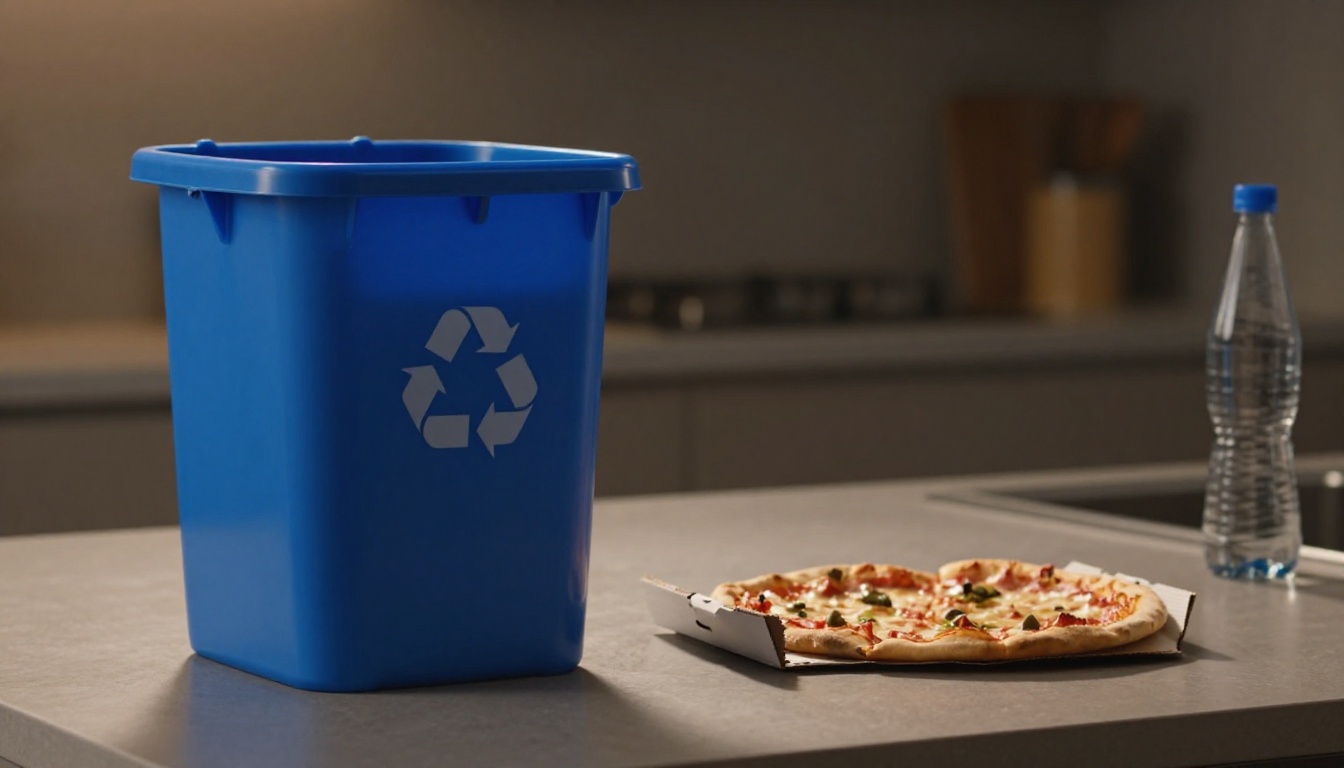
Recycling contamination rates hover around 15 to 25% nationwide in 2026. Some spots hit 30%, like certain cities where one in five items ruins the batch. This sends good recyclables straight to landfills and costs towns big money, such as $250 per rejected load in Providence.
Contamination happens when wrong or dirty items mix in. Facilities reject the whole load because sorters cannot separate everything. Households can cut this by 50% with simple habits, though.
You toss a greasy pizza box or plastic bag in your bin thinking it helps. Instead, it dooms tons of clean plastic bottles and cans. We’ll cover why this hurts so much, what your area accepts, prep steps that work, and slip-ups to dodge. Follow these, and you’ll recycle right. You’ll help places like California chase goals under 10% contamination through laws like SB 54.
Why Contamination Wrecks the Recycling Process
Contamination turns useful recycling into trash. Sorters spot dirty loads early. They push the entire truck’s contents to landfills. This wastes space and money.
Nationwide rates sit at 15 to 25% in April 2026. Norwalk, Connecticut reports 19%, below average. But higher spots struggle more. Facilities reject anything over 10% bad items. Clean streams process fast. Dirty ones jam machines and spike costs.
Think of it like cooking. One bad ingredient spoils the pot. Recyclers sort by hand or machine. Grease sticks plastics together. Bags tangle belts. Food waste breeds pests. As a result, good aluminum cans end up buried.
California pushes hard with SB 54. The state aims for 65% recycling by 2032 and 25% less plastic. Progress shows, but contamination slows it. Producers must prove packaging recycles well, or face rules.
Meanwhile, extended producer responsibility laws hit Colorado and Oregon in 2026. These make companies handle waste better. Cleaner household bins help. They ease facility burdens and boost markets for sorted materials.
Your habits matter here. One clean bin means more aluminum reused. It cuts mining needs. Less cardboard waste saves trees. Facilities process faster, too. So, low contamination saves taxpayer dollars.
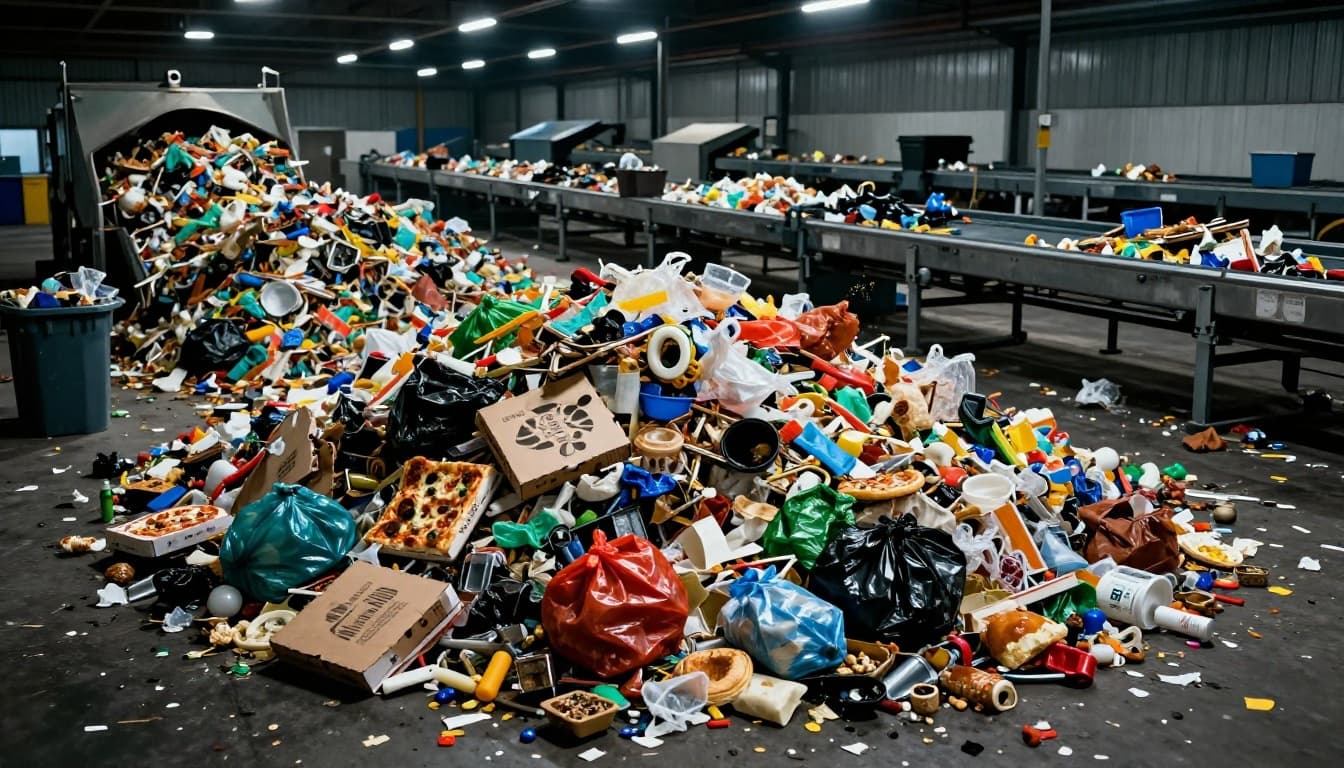
For more on these stats, check recycling contamination reports.
Discover What Counts as Recyclable in Your Area
Rules change by city and state. Always check your local site or app first. What works in California fails in Colorado. Wishcycling, or guessing, spikes contamination.
In 2026, most curbside takes clean PET plastic bottles, paper, cardboard, metal cans, and glass jars. But plastics limit to #1 and #2 often. Glass varies; some areas skip it curbside. Rinse everything. No bags or food bits.
California leads with strict lists. It requires items in 60% of programs or 75% recycle rate. By 2032, all packaging hits 100% recyclable or compostable. Maine and Maryland update lists soon, too.
Advanced recycling grows for tough plastics like PP or PS. But curbside stays basic. PFAS chemicals in some packaging taint streams, so locals watch close.
Plastics That Make the Cut and Those That Don’t
Stick to PET #1 bottles curbside. Clear or light blue caps stay on if they match. Rinse well; water droplets help spot residue.
HDPE #2 jugs work in many spots. But skip bags, films, utensils, or Styrofoam. They jam sorters. No PVC, LDPE, PP, PS, or multi-layer packs. Black plastic confuses machines sometimes.
For example, a soda bottle rinses clean and goes in. A shopping bag tangles gears. Check apps for drop-offs on films.
Paper, Cardboard, and Metals Done Right
Paper and newsprint stay dry. Flatten boxes; they save space. No tape or liners.
Cardboard must stay clean. Grease from pizza ruins it. Metals shine empty and rinsed. Aluminum cans crush light. Steel too. Skip coated foil or plastic-wrapped bits.
A flattened cereal box stacks neat. A oily takeout tray goes to trash. Cans without soda drip less trouble.
See University of Colorado on common contaminants for campus tips that apply home.
Glass and Other Tricky Items to Watch
Glass bottles and jars go in where curbside allows. Clear, brown, green work. No windows, ceramics, or mirrors. They shatter wrong.
Small bits under two inches skip out. Keep from compost; it mixes bad. Some towns take glass separate.
Pyrex or light bulbs break sorters. A clean jam jar fits. A broken mug heads to trash.
Prep Your Recyclables Like a Pro to Keep Them Clean
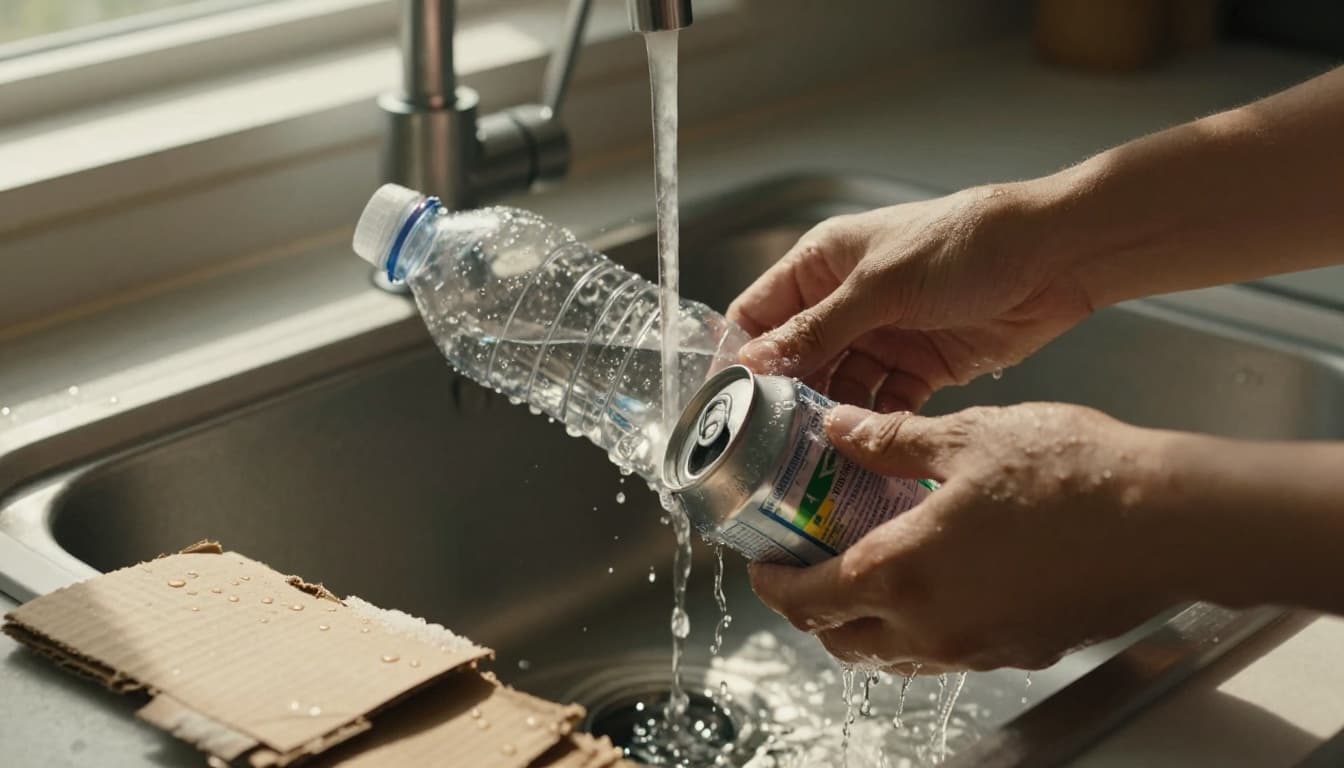
Start with rinse. Run water over bottles and cans. Soap suds lift grease fast. Empty liquids fully; no drips.
Flatten boxes and jugs. This packs tight and speeds trucks. Loose items sort best. Bags clog, so never use them.
Caps matter. Screw plastic ones on matching bottles. Pop metal lids off cans. They sink separate.
Households see big wins. One family cut rejection notices after rinsing habits. Facilities sort 50% cleaner loads then.
Picture your sink routine. Bottle under tap, shake, drain. Can next, scrub label glue. Paper nearby dries flat.
This keeps loads pure. Sorters grab pure streams quick. Your effort pays in less landfill hauls.
In addition, space savers like flattening fit more. Bins stay tidy. Neighbors notice and copy.
Advanced spots use robots now. But clean input helps all. Try it; your bin transforms.
Learn 10 ways to avoid contamination for extra steps.
Skip These Common Slip-Ups That Ruin Your Recycling
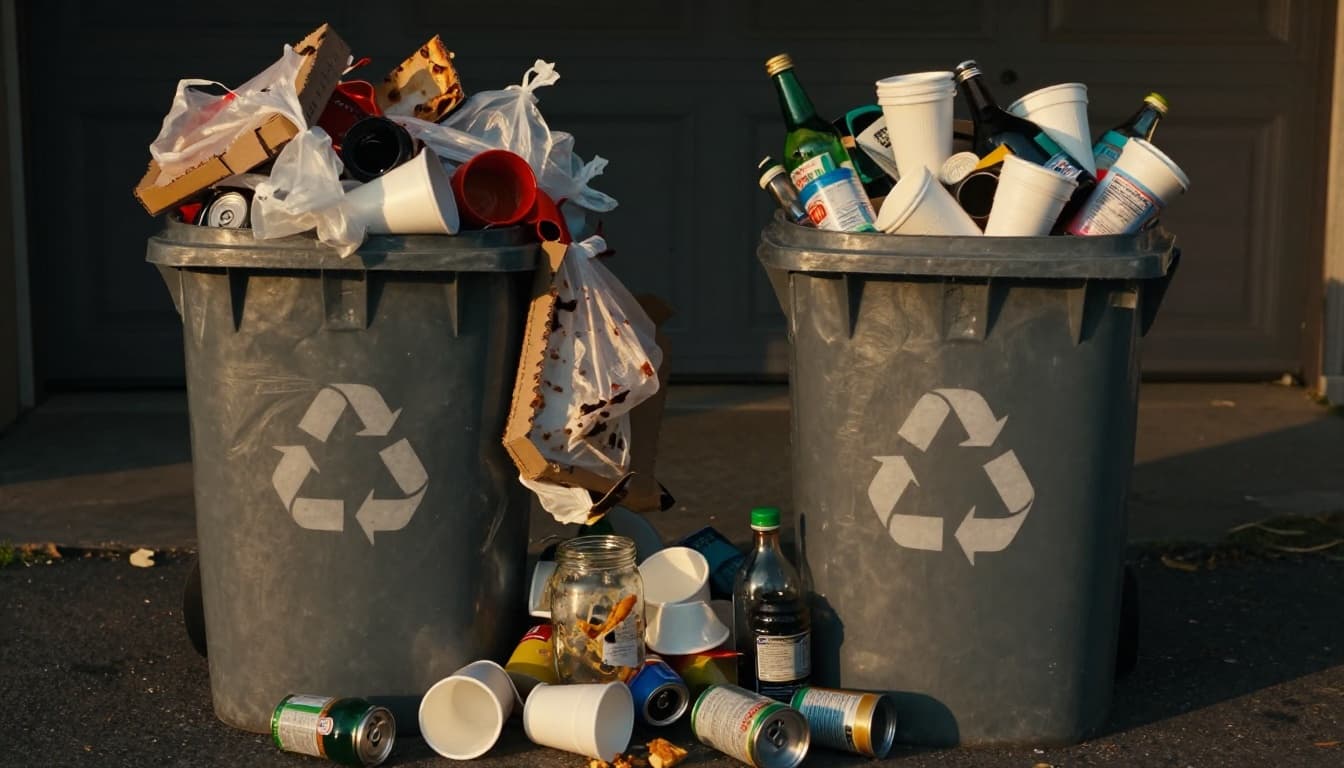
Wishcycling tops the list. You hope that pizza box works. Grease soaks fibers; it shreds into pulp mess.
Plastic bags follow close. They wrap whole loads tight. Machines halt; workers cut free.
Food waste sticks everywhere. A bit of sauce taints cans nearby. Toss scraps to compost or trash.
Ignore “recyclable where facilities exist” labels. They mean drop-offs, not your bin. Toxics like PFAS leach from some packs.
Bagging recyclables seems neat. But it dooms the batch. Loose stays best.
In 2026, advanced recycling takes some films off-curbside. Still, bins stay simple. Greasy boxes hit trash.
One homeowner fixed bins after town notice. Rates dropped. Spot your errors now.
Wishcycling wastes more than it saves; clean bins build real impact.
Avoid these with steps to sort right.
Check your local rules today. Prep clean, loose, and empty. Skip wishcycling and bags. These habits cut contamination fast.
Your changes help hit 65% national recycling. They trim plastics 25% by 2032. Try a perfect bin week. Share tips with friends. Small steps stack up big.