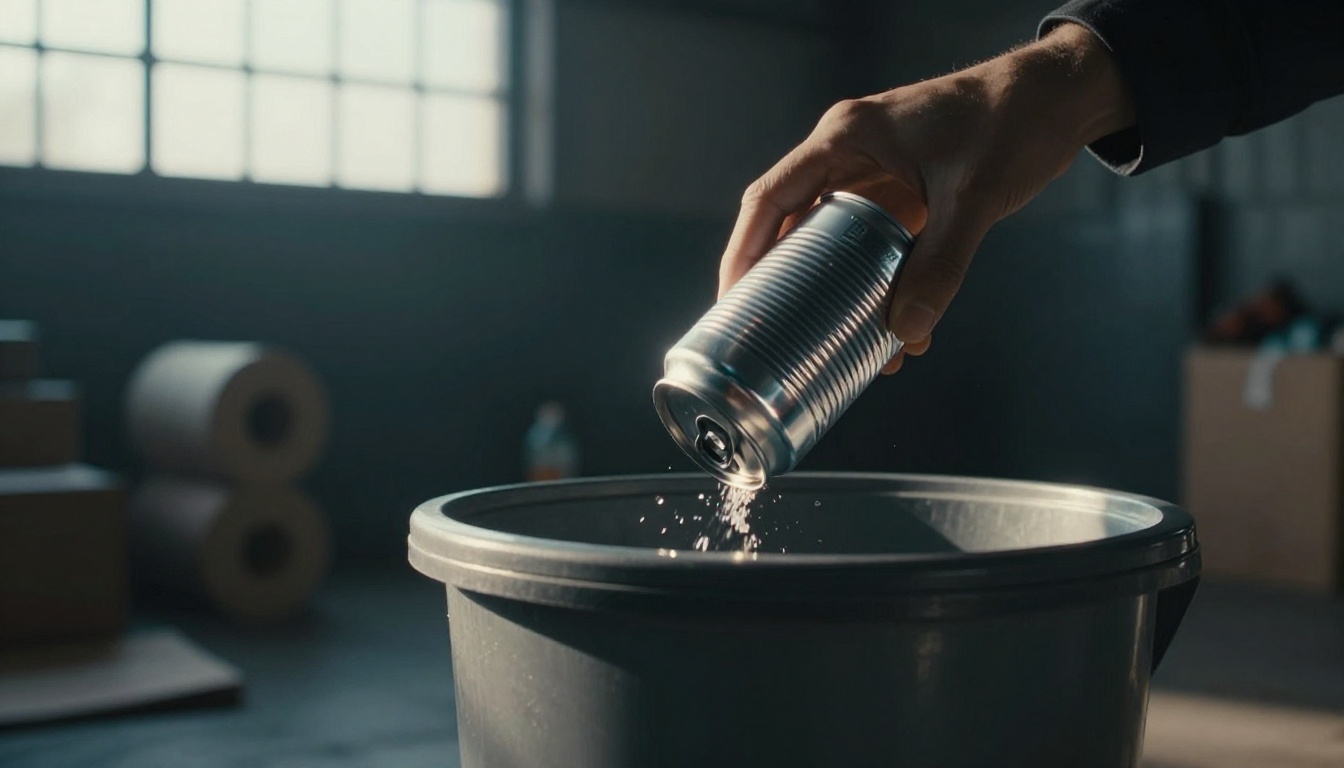
Did you know US households recycle just 21% of their home recyclables? That’s millions of tons heading straight to landfills each year, while the rest piles up and harms our planet. Meanwhile, global waste keeps growing, with no quick fix in sight.
Recycling means turning used materials into new products. It sounds simple, but it delivers big wins for the environment. You cut landfill waste, save energy, conserve natural resources, lower greenhouse gas emissions, and protect wildlife from trash-choked habitats.
These actions add up fast. In this post, we’ll break down the five key benefits, so you see exactly how your recycling bin builds a healthier planet.
How Recycling Shrinks Landfills and Stops Toxic Leaks
Recycling keeps trash out of landfills. It diverts materials like paper, plastic, and metals before they pile up. As a result, you prevent overcrowding and cut down on harmful leaks. Think about that recycled aluminum can: it skips the landfill forever and turns into a new one in weeks. In the US, households recycle only 21% of residential recyclables. The other 79% heads straight to dumps, where it causes big problems.
Why Landfills Hurt the Planet
Landfills cram more waste than they can hold. They overflow like a closet stuffed so full the doors won’t shut. Space runs short fast because organic trash decomposes slowly, sometimes over decades. Bacteria break it down without oxygen, so it releases methane gas, a potent climate warmer. Meanwhile, rainwater mixes with garbage to form leachate, a toxic soup that seeps into soil and rivers.
Nearly 20 million US households lack good recycling access. Single-family homes get service 85% of the time, but apartments lag at just 37%. This gap sends extra waste to landfills. Eleven states lose over a million tons yearly due to low rates. New research shows landfills leak methane freely, harming air and water nearby.
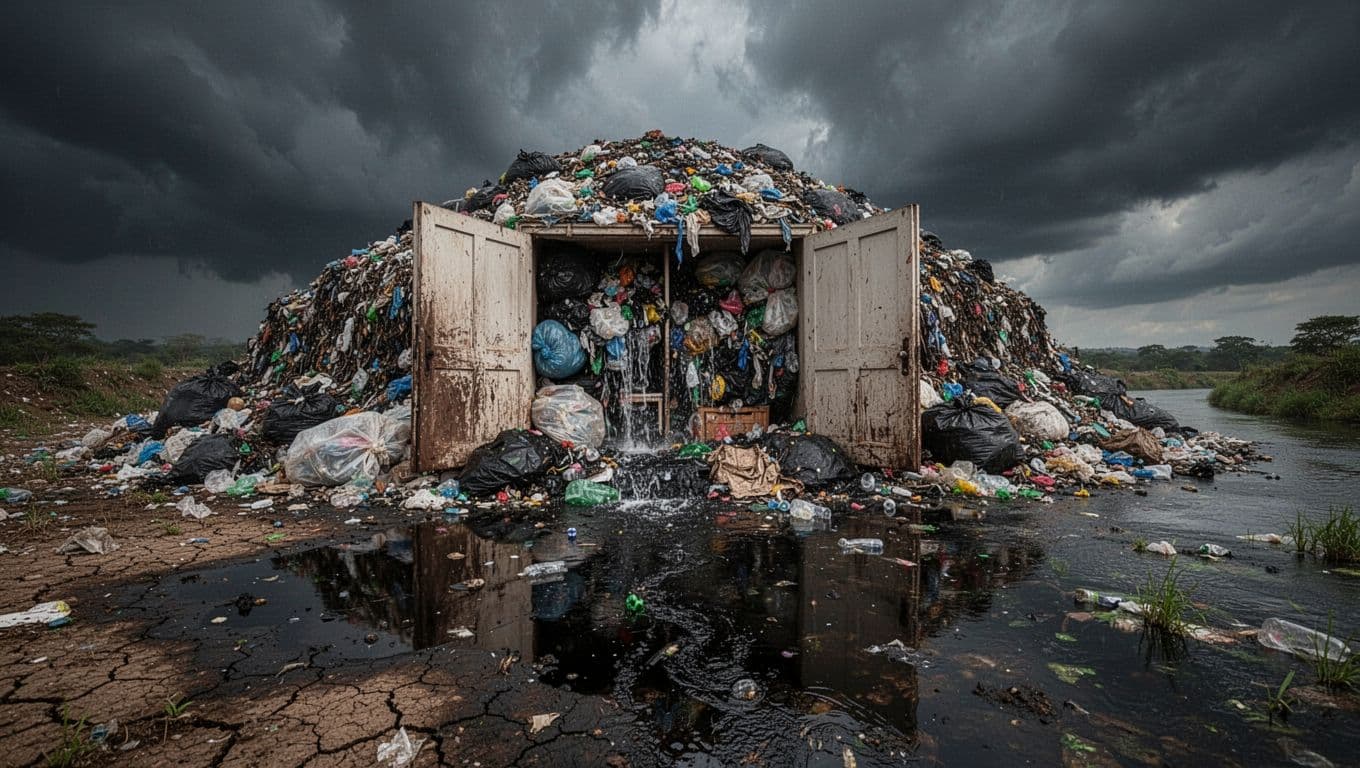
Better access fixes this. Recycling pulls waste away at the source. Therefore, landfills stay smaller, and leaks drop.
Real Wins from Top Recycling Countries
Germany diverts most of its waste from landfills, boasting a 98.9 EPI waste recovery score. Slovenia shines too, with top European rates that keep dumps nearly empty. In contrast, the US sits at 44th in EPI rankings for waste management. Only four states top 30% residential recycling: California, Connecticut, New York, and Oregon.
These leaders use smart policies. Germany offers grants for sorting tech and strict rules on producers. Slovenia mandates separate collection and rewards high performers. As a result, they cut landfill use by over 60% in places.
The US can learn from them. Only 21% of home recyclables get captured here. States like California thrive with deposit refunds and education campaigns. See full EPI waste recovery rankings to compare nations. Simple steps, like better apartment access, boost rates nationwide. In short, policy plus participation shrinks landfills everywhere.
Big Energy Savings from Using Recycled Materials
Recycling slashes energy use because it skips the hard work of digging up raw materials and processing them from scratch. You reuse what’s already there, so factories burn far less fuel. As a result, power plants run less, and your electric bill stays lower over time. This shift also cuts pollution from energy production. In short, every recycled item keeps massive amounts of energy in the bank.
Think about it like this: making new stuff demands mining, smelting, and refining. Recycling melts down cans or shreds paper with a fraction of that effort. Therefore, communities save money on energy while fighting climate change. Besides, it ties right into the circular economy, where materials loop back into use instead of piling up as waste.
Comparing New vs Recycled Production Energy
New production guzzles energy. Recycling flips that script. For example, it takes 95% less energy to recycle aluminum than mining bauxite ore and smelting it fresh. Paper follows suit: recycled versions need about 40% less power than starting with virgin trees. Check the U.S. Energy Information Administration’s breakdown on recycling energy for the full picture.
Here’s how other materials stack up in simple comparisons:
- Steel: New steel from iron ore uses twice the energy of recycled scrap; savings hit 50-60%.
- Plastic: Recycling PET bottles saves up to 88% energy over crude oil refining.
- Glass: Crushed bottles melt at lower temps, cutting energy by 10-50% versus raw sand.
- Paper: Beyond 40% savings, it avoids tree harvesting and chemical pulping.

These numbers add up fast. Recycling one car, for instance, saves around 220 pounds of greenhouse gases compared to landfilling it. Most parts get reused, so you dodge the energy hit from new manufacturing. E-waste shines here too. It recovers metals cheaply, feeding the circular economy without fresh mining.
Meanwhile, US recycling facilities hit $9.5 billion in revenue by 2026. E-commerce booms drive this, with extra cardboard from packages flooding in. Facilities handle the surge, turning waste into resources. So, your recycling bin powers real change.
Conserving Trees, Water, and Minerals by Recycling
Recycling pulls resources back from the waste stream. It spares forests from axes, keeps mining rigs idle, and cuts water pulls from rivers and aquifers. You protect these essentials every time you sort your bin. For example, recycling one ton of paper saves 17 trees and 7,000 gallons of water. That’s enough to fill a small backyard pool. Plus, it skips heavy mineral extraction for metals like aluminum.
In the US, low recycling rates waste these gains. Households hit just 32% overall, with plastics at a dismal 5%. Yet simple shifts build big savings. Communities reduce raw material demand, so habitats stay intact. Meanwhile, factories use less water and energy.

Building a Circular Economy for Lasting Resources
The circular economy works like this: make products, use them, recycle, then repeat. It keeps materials in play forever. In contrast, the old linear model takes raw stuff, makes goods, then trashes them.
This loop conserves trees, water, and minerals directly. You cut forest logging because recycled paper fills the need. Mining drops since scrap metals remelt easily. Water stays in nature; new paper production guzzles thousands of gallons per ton.
Policies boost this worldwide. Strong rules could lift global plastic recycling toward 43% by 2040. The US pushes circular practices through EPA basics, cutting extraction across the board.
However, contamination blocks progress. Wrong items in bins spoil loads; 76% of home recyclables get landfilled as a result. Cities lose money on rejected hauls.
Innovations fight back. Robots and AI sort plastics and e-waste with computer vision. These tools clean streams faster, so more materials loop back. States like Colorado add producer fees for packaging, lifting rates to 62%. Therefore, cleaner bins mean lasting resources for all.
How Recycling Slashes Pollution and Fights Climate Change
Recycling cuts pollution at every step. It lowers emissions from factories, trucks, and rotting trash. You help fight climate change each time you sort your bins. In the US, recycling municipal solid waste avoided 193 million metric tons of CO2 equivalent back in 2018 alone. That’s like taking 41 million cars off the road for a year. Besides, it stops methane from landfills, a gas 25 times worse than CO2 for warming.
Producers pay more attention now, thanks to new laws. Oregon and Colorado lead with extended producer responsibility programs. These make companies fund recycling to hit 60% plus rates soon. South Korea already reaches 67%, showing it’s possible. Meanwhile, the waste industry grew 7% since 2020, adding jobs and better tech.

Trends push further. States ban PFAS chemicals in packaging, so recyclers handle cleaner loads. Food waste rules require composting in places like California by 2026, cutting rot emissions. As a result, your habits build real momentum.
Lowering Greenhouse Gases Step by Step
Recycling trims emissions three ways: less factory output, fewer transport miles, and no dump decay. First, production drops CO2 big time. Making goods from scratch burns fossil fuels for mining and refining. Recycled materials skip that, so factories emit less. For example, one ton of recycled plastic saves energy equal to 5,800 kWh, slashing CO2 output. EPA tracks these waste-related emissions closely.
Transport follows suit. Hauling raw ores across countries guzzles diesel. Local scrap stays close, so trucks idle less. Therefore, fuel burns drop, and air clears up fast.
Decomposition seals the deal. Landfills let organics rot without air, pumping out methane. Recycling pulls paper, food scraps, and yard waste early. Compost or process them right, and methane vanishes. An average person avoids about 900 kg of CO2 yearly this way.
These steps compound. Zero waste strategies, like those from Eco-Cycle, show recycling rivals renewables for quick wins. Policies speed it up too. Colorado’s EPR aims for 90% on some materials by 2030. Oregon pushes similar goals.
In short, you lower gases one bin at a time. Communities see cleaner air and stabler weather ahead.
Shielding Animals and Oceans from Trash
Trash harms wildlife every day. Plastic bags, nets, and bottles end up in oceans and landfills. They choke animals and poison habitats. Recycling stops this cycle. It keeps materials out of nature, so sea life swims free. In the US, better recycling cuts the 80% of ocean plastic that starts on land. As a result, fewer animals suffer. Without action, oceans could hold more plastic than fish by 2050. Your bin helps prevent that grim future.
Recycling mimics nature’s loops. Animals reuse resources; we can too. Less packaging and e-waste in dumps means safer forests and shores for everyone. Therefore, habitats stay clean and balanced.

Real Stories of Wildlife Harm and Rescue
Sea creatures face deadly traps from our waste. Nets cut into necks. Bags fill stomachs. Rescuers rush in, but prevention beats reaction. Recycling reduces this trash at the source, so fewer animals need saving.
Consider a 400-pound leatherback turtle in Cape Cod Bay. Plastic entangled it badly. Teams from the New England Aquarium cut it free, and it swam off strong. Or a sea lion pup in San Diego. A plastic ribbon squeezed its neck tight. SeaWorld specialists tracked and freed it after days. Seals suffer too. One grey seal on Cape Cod wore green nets that dug deep. IFAW responders saved it from starvation.
These cases show the pain. Whales swallow 88 pounds of plastic and starve. Microplastics invade 60% of fish we eat. Deep-sea life battles 11 million tons on the floor. Rivers carry most of it from land-based trash like packaging.
Recycling fixes this. It pulls plastics back before rivers claim them. High-income areas like the US manage waste well, unlike top polluters. Communities cut ocean inflows with better bins. Beach cleanups help, but source control lasts longer. So, sort your plastics. Animals thank you with every dive.
Conclusion
Recycling shrinks landfills, saves energy, conserves resources, cuts emissions, and protects wildlife. These wins add up because every sorted bin keeps trash from harming our planet. You make a real difference with simple habits.
EPR programs expand in 2026, so states like Oregon and Colorado push companies to fund better recycling. Meanwhile, advanced tech boosts rates toward national goals. Progress builds fast when we all join in.
Check your local rules today. Recycle right to avoid contamination. Support smart policies in your area. Your actions help the planet every day.