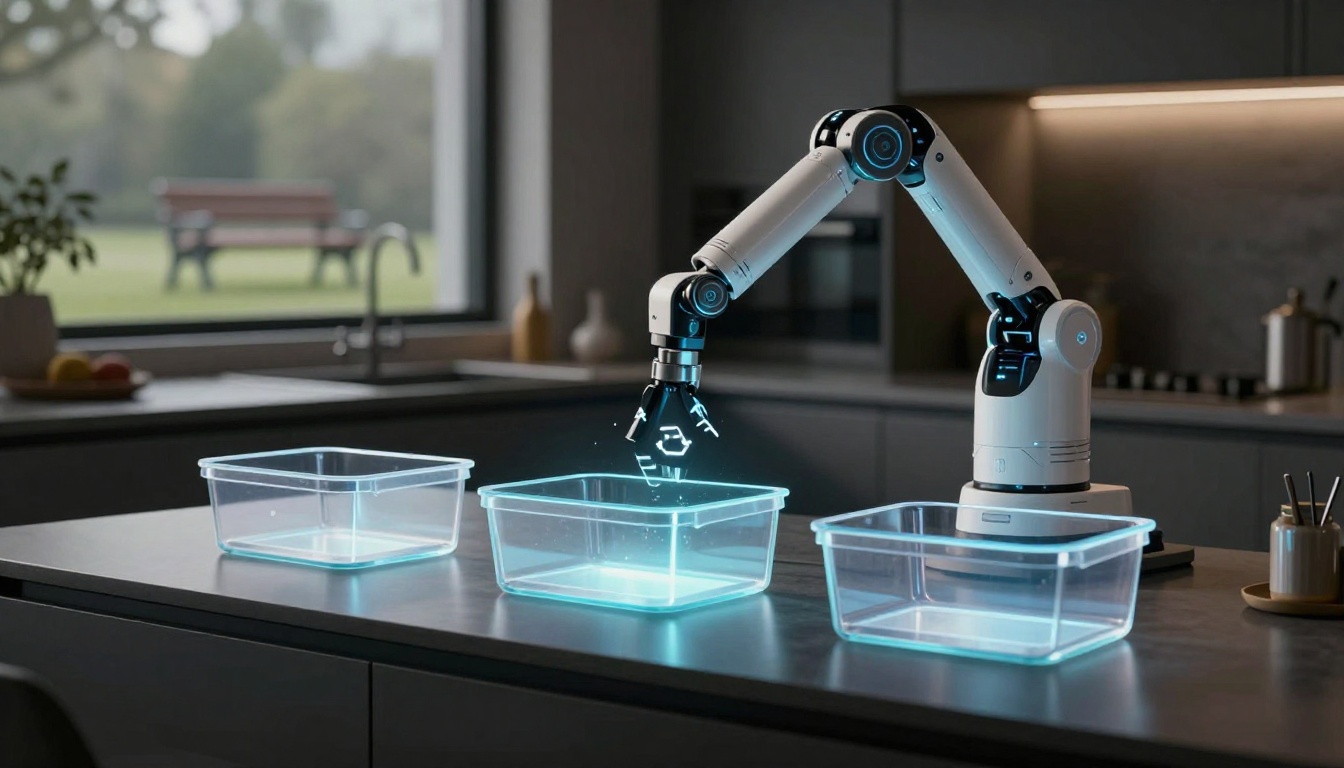
Picture this: your empty soda bottle becomes a new park bench. Your pizza box turns into fresh cardboard for shipping. Instead of rotting in a landfill, your trash fuels everyday items people use. That’s the magic of waste sorting. In 2026, smart tech like AI robots boosts sorting speed and cuts errors at facilities across the US and Europe.
Waste sorting means separating your trash into categories like paper, plastic, glass, and food scraps right at home. You do it before it hits the curb. This keeps materials clean for recycling or composting. Why bother? It slashes pollution from landfills, saves energy on making new stuff, and cuts costs for cities and families. Plus, it feeds the circular economy, where waste becomes resources over and over.
You’ll see how it works daily, its big wins for the planet and wallet, common types to sort, fresh trends, and simple home tips. Sorting takes seconds but pays off big. Ready to turn your bin into a force for good?
How Waste Sorting Works in Everyday Life
You sort waste at home by splitting trash into bins for different materials. This happens before pickup trucks arrive. Clean separation lets recyclers process items fast without extra cleaning. Mixed trash often ends up landfilled because it’s too dirty.
Take a typical kitchen cleanup. You rinse a yogurt tub and drop it in plastics. The greasy pizza box goes to cardboard after scraping off toppings. Check local rules first, since cities vary. Source sorting like this keeps 95% of recyclables usable, far better than mixed loads.
In 2026, Europe rolls out clearer labels in August under new packaging rules. Icons show how to split mixed items, no app required. The US pushes similar standards too. For details on common recyclables, check the EPA’s guide to recycling basics.
Key Steps to Get Sorting Right
Start with symbols on packages. A triangle with numbers tells you the plastic type. Rinse food off cans and bottles right away. Water stops smells and sticks.
Flatten boxes to save space in bins. Use clear bags for each type, like one for paper only. This helps workers spot mistakes fast. Always check your city’s app or site for exact rules.
Begin small, maybe just plastics first. Contamination wrecks batches, so clean habits matter. One dirty item can spoil hundreds.
Why Sorting Your Waste Makes a Real Difference
Sorted waste shrinks landfills and fights climate change. It also creates jobs and saves money. In the US, recycling hovers at 32-35% for household trash. Better sorting could push that higher.
Landfills release methane, a strong gas. Recycling one ton of plastic saves energy like a home uses yearly. Cities avoid fines for poor waste handling too.
Trends help. AI robots sort faster now. Regulations like Europe’s push local processing. Australia built on past export bans to recycle more at home. You feel good knowing your efforts count.
Planet-Saving Environmental Wins
Recycling cuts greenhouse gases big time. Making aluminum from scrap uses 95% less energy than raw ore. Sorted glass keeps mines closed and oceans cleaner.
Soil stays safe without leachate from dumps. Water pollution drops as plastics don’t wash into rivers. One household’s sorted waste yearly equals trees absorbing tons of CO2. Small acts add up fast.
For standardized terms on what your city accepts, see the EPA’s list of municipal recycling materials.
Money-Smart Economic Advantages
High-quality sorted materials sell well. Factories buy clean plastic cheap. This creates US jobs, over a million already in recycling.
Cities spend less on hauling trash. Families save via programs charging by bag volume. Tech like smart sorters hit high profits from clean inputs. Your bin helps the economy hum.
Everyday Waste Types You Can Sort at Home
Focus on basics: paper, plastics, metals, glass, organics. Paper includes newspapers and boxes. Tear off tape first.
Plastics mean bottles and jugs, numbers 1 or 2 mostly. Metals cover cans and foil balls. Glass jars go rinsed. Organics like peels feed compost.
Yard waste piles separately. Batteries and electronics need special drops; they risk fires. Set up labeled bins under your sink. Local rules decide what’s curbside.
Tricky Items and How to Handle Them
Multi-layer pouches stump many. Peel apart if possible, or trash them. Dirty paper like pizza crust? Compost or trash, not recycle.
Batteries never mix in curbside. Drop at stores. “Wish-cycling” hopes ruins loads. When unsure, check guides. For a step-by-step on waste audits, try the EPA’s how-to on conducting a waste sort.
Latest Global Trends and Home Sorting Hacks
AI robots handle tough sorts now, growing the market to billions. Europe’s PPWR starts August 2026 with waste-cut rules. US states like California eye producer responsibility for higher rates.
Australia stresses organics after bans forced local fixes. Common slip: dirty recyclables. Rinse changes everything.
Pro tips build ease. Reduce buys first. Sort while cooking. Apps track rules.
Mistakes That Sabotage Your Efforts
Top pitfall: greasy items in paper bins. It oils the batch. Hazards like paint cans in trash spark dangers.
Unrinsed food rots and smells. Wrong bags tangle machines. These send truckloads to dumps. Fix by double-checking.
Quick Wins for Effortless Home Sorting
Rinse as you use. Read labels before tossing. Start with one category.
Buy bulk to cut packaging. Use color-coded bins. Clear bags speed pickups. Check city sites weekly. Track a week; you’ll see less trash.
Waste sorting turns everyday trash into treasure. You separate at home for clean recycling, gain planet perks like less gas and clean water, plus economic boosts from jobs and savings. Types cover paper to organics; trends like AI and EU rules make it easier. Simple steps and hacks fit any kitchen.
Start today: sort one bin fully. Challenge yourself to log a week’s waste. Imagine your role in the circular economy where nothing wastes away. Your small habit sparks big change. What’s your first sort?