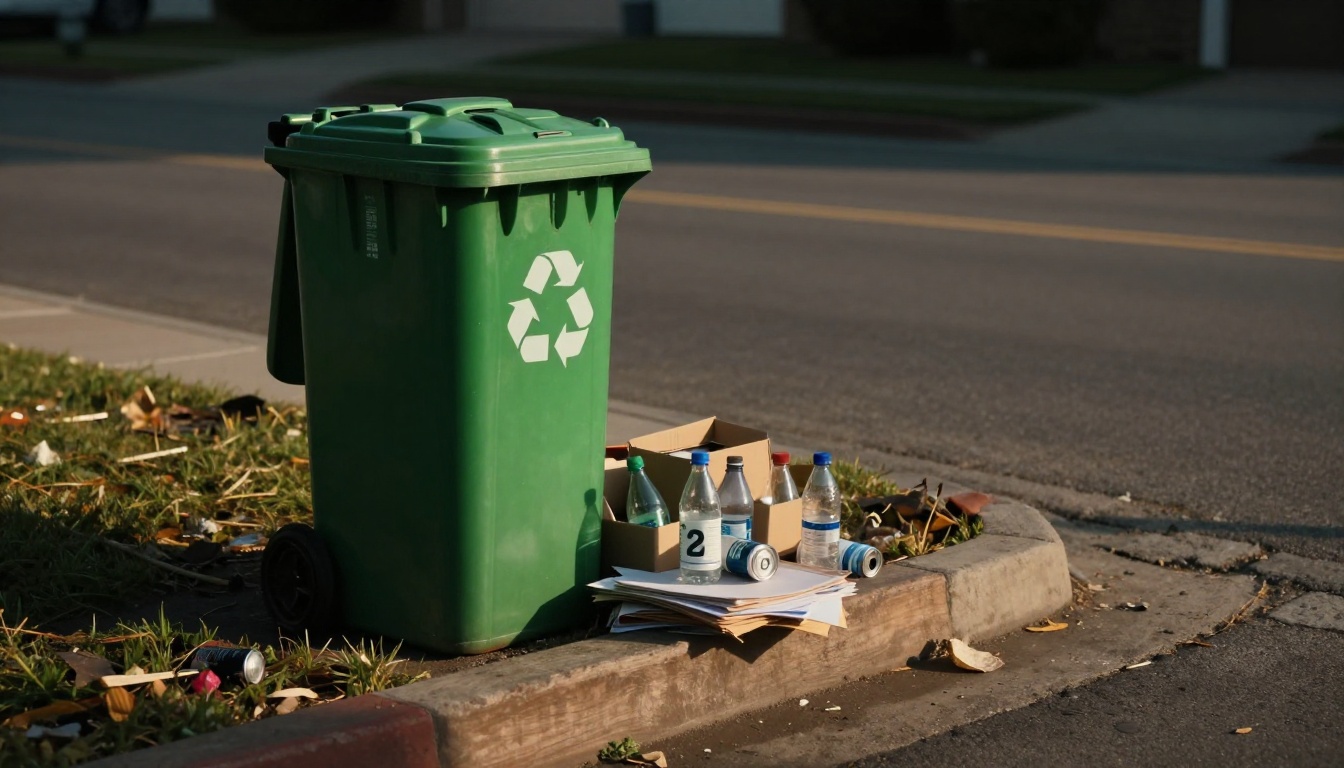
Your family likely tosses out about 6,570 pounds of trash each year. That’s a lot of waste from everyday life. Most of it comes from food scraps, packaging, and yard debris. Yet recyclable materials make up a big chunk you can divert from landfills.
Ever wondered why your recycling bin gets rejected? Contamination ruins batches. Wrong items mix in and spoil clean loads. In fact, poor sorting sends up to 25 percent of recyclables straight to trash. Knowing what cannot be recycled keeps programs running smooth.
This guide breaks it down. You’ll learn common curbside yeses like paper and plastics numbers 1, 2, and 5. Then spot the no-gos that jam machines. Get prep tips, myth busters, and local checks. Plus, peek at 2026 trends boosting efficiency. Sort smarter today and cut waste easy.
Everyday Household Items You Can Recycle Curbside
Most US curbside programs accept a core set of items. These work because facilities sort them with ease. Paper, cardboard, select plastics, metals, and glass top the list. Clean them first for best results.
Aluminum cans shine here. They recycle forever without quality loss. That saves 94 percent of the energy needed to make new ones. Check your bins for these winners.
For details on standard accepts across programs, see this 2026 curbside recycling guide.
Paper and Cardboard That Recycle Smoothly
Newspapers stack up quick. Toss them in loose. Magazines and office paper join too. Envelopes work as long as you remove plastic windows if sticky.
Paper bags crinkle fine. Clean pizza boxes count if grease-free. Cardboard from boxes always fits. Flatten them to save space. Keep everything dry because wet paper clogs sorters.
US paper recycling hits 60 percent now. Cardboard reaches 70 percent. These rates motivate because mills use more recycled fiber than ever. A stack of old mail or shipping boxes turns into new notebooks fast.
Plastics Accepted in Most Bins: Numbers 1, 2, and 5
PET bottles marked number 1 lead the pack. Think water and soda containers. Rinse them out. Crush to fit more.
HDPE jugs number 2 include milk cartons and shampoo bottles. They hold up well in sorting. PP tubs number 5 cover yogurt cups and takeout containers. Always check the triangle symbol on the bottom.
Not all programs take number 5 yet. Rinse light to remove residue. These plastics melt down into bottles and bins again.
Here’s a quick view:
| Plastic Type | Common Examples | Prep Tip |
|---|---|---|
| #1 PET | Soda bottles, water bottles | Rinse, crush |
| #2 HDPE | Milk jugs, detergent bottles | Rinse, cap off |
| #5 PP | Yogurt tubs, butter tubs | Rinse, check local |
This table shows why these three dominate curbside. They process clean with minimal fuss.
Metals and Glass: Infinite Recyclers
Aluminum cans crunch easy. Steel cans from soup or veggies work too. Rinse both inside out. Pull off labels if they slip.
Glass bottles and jars go in any color. Beer, wine, or pickle jars fit. Remove lids and rinse. Skip drinking glasses, ceramics, or mirrors though. They shatter different.
Metals and glass loop endlessly. One ton of cans saves space for 20 trees. Glass needs no melt-down tweaks. These picks boost your bin’s impact big time.
Common Items That Jam Recycling – Never Bin These
Wishful thinking fills bins with wrongs. These contaminants tangle machines or spread gunk. Facilities reject whole loads then. Trash them instead or find drop-offs.
Plastic bags top the trouble list. They wrap around belts and halt lines. Food waste draws pests too. Know these no-nos to help your program thrive.
Plastic Bags, Films, and Styrofoam Nightmares
Shopping bags from stores snag gears bad. Bread wrappers and cereal liners join the mess. Bubble wrap and produce films worsen it.
Styrofoam number 6 packs peanuts or cups. It crumbles and sticks everywhere. Take bags to grocery store drop-offs. Many chains recycle them into benches. Styrofoam needs special sites.
These items ruin batches because sorters can’t grab them right. Skip the bin to keep costs down.
Dirty or Greasy Items That Spoil the Batch
Wet cardboard soaks up and shreds. Greasy pizza boxes stain paper loads. Food-soiled napkins or paper towels rot fast.
Coffee cups line with plastic often. They don’t break down clean. Trash soiled stuff. Compost organics if your area offers it.
Dirt and grease mix in and drop value. Clean paper recycles at high rates. Dirty versions head to landfills quick.
Hazardous and Oddball Items Needing Special Care
Batteries leak toxins. Light bulbs shatter risky. Paints, cleaners, and pesticides demand pro handling.
Electronics pile e-waste. Textiles, diapers, hoses, and wire hangers tangle too. Black plastic hides from lasers. Broken glass cuts workers.
Seek household hazard events or retailer take-backs. These spots process safe. Your bin stays pure that way.
Prep Your Recyclables Right to Make Recycling Work
Good habits make all the difference. Rinse light, don’t bag, and flatten. These steps cut contamination that wastes 25 percent of loads.
Facilities sort better with clean inputs. Loose items flow free. Follow basics to boost success rates.
Simple Steps for Clean, Sort-Ready Recyclables
Rinse containers under tap quick. No need to scrub hard. Let paper air dry fully.
Flatten cardboard boxes tight. Dump loose into the bin. Labels stay on plastics often. Caps off bottles prevent pops.
Keep glass and metals separate if rules say. Electronics go to e-waste spots always. These moves speed processing along.
Debunking Recycling Myths That Trip People Up
Many think all plastics recycle. Only 1, 2, and 5 fit most curbside. Others contaminate.
Bags keep things tidy? No, they jam sorters bad. Perfect rinses waste water. Light wipe does fine.
Data shows myths spike rejects. Stick to proven steps. Your efforts count more than you know.
Local Rules, Variations, and 2026 Recycling Trends
Programs differ by city. Some take number 5 tubs. Others skip glass. Always verify first.
Trends pick up speed now. Tech and laws push higher rates. Stay ahead with these shifts.
For city-specific accepts like in Minneapolis, check official recycling lists.
How to Find Your Area’s Exact Recycling Rules
Visit your municipal website. Download apps for scans. Call haulers direct.
Most require PET, HDPE, and paper minimums. Five states mandate recycled content in packs. Apps show calendars and tips fast.
Confirm weekly or changes. Rules evolve with tech.
Hot 2026 Trends Making Recycling Smarter
AI robots sort precise now. They grab circuit boards and films humans miss. Efficiency jumps 60 percent in spots.
Chemical recycling breaks tough plastics down. Enzymes handle PET cleaner. EPR laws hit California and Oregon hard. Producers fund packaging reuse.
E-waste booms to billions. States add battery rules. Right-to-repair helps disassembly.
These advances mean more materials loop back. Business recycling guides for 2026 highlight the shift.
Paper mills hit record recycled use despite dips. Overall volumes climb.
Your habits align perfect with this wave.
Sorting right keeps paper at 60 percent recycled and plastics flowing better. Skip bags, grease, and hazards to dodge jams.
Prep wins big: rinse light and go loose. Check local rules weekly. Trends like AI and EPR make systems tougher.
Audit your bin this week. Toss one wrong item less each time. Share this with neighbors. Contact your program for drop-offs.
Small sorts cut landfill piles and save energy. One family’s change ripples wide. Start today.